The cryptocurrency world constantly evolves. Regulators worldwide grapple with new challenges. Now, a significant proposal comes from South Korea. The Bank of Korea (BOK) suggests a groundbreaking change. This move targets the stability of digital assets. It specifically focuses on how stablecoin reserves are managed. This could redefine user protection and financial oversight for won-denominated stablecoins.
The Bank of Korea’s Bold Proposal for Stablecoin Reserves
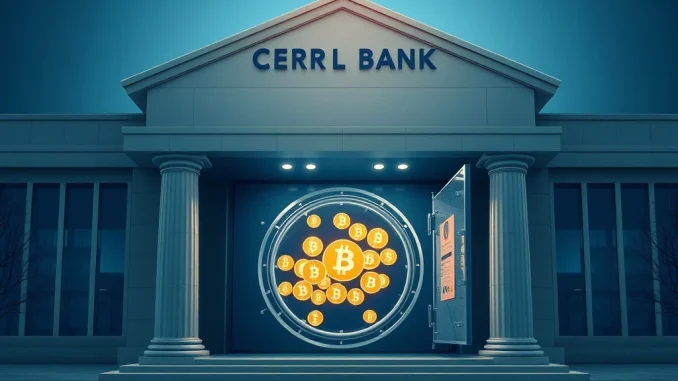
South Korea’s central bank, the Bank of Korea (BOK), recently made a key suggestion. It approached the National Assembly. The BOK believes stablecoin issuers might need to deposit reserve assets. These deposits would go directly to the central bank. This applies specifically to won-denominated stablecoins. The Herald Economy exclusively reported this development. This proposal marks a pivotal moment for crypto regulation in South Korea.
Materials submitted to lawmaker Cheon Ha-ram’s office detailed the BOK’s stance. The central bank stated it should consider a mandatory deposit requirement. This would happen if deemed necessary. Such a measure aims to create a robust safety net. It protects against large-scale redemption requests. This directly addresses past market instabilities. The BOK emphasizes user protection as a primary goal.
Why Central Bank Deposits are Crucial for Stablecoin Stability
The BOK outlined several compelling reasons for its proposal. First, it strengthens user protection. This creates a safety net for large redemption requests. Stablecoin holders gain increased confidence. They know their assets are backed by a central, trusted entity. Second, the measure minimizes increases in the money supply. This supply currently operates outside central bank control. This ensures greater monetary policy effectiveness. Finally, it ensures that seigniorage benefits the public. Seigniorage is the profit from issuing currency. When stablecoins are issued, this profit should serve the broader community.
The idea of mandatory central bank deposits is not entirely new. Traditional financial institutions often hold reserves. This practice ensures liquidity and stability. Applying this model to stablecoin reserves represents a significant step. It integrates digital assets more deeply into the existing financial framework. This proactive approach aims to prevent potential financial runs. It also fosters a more secure digital economy.
Safeguarding Won-Denominated Stablecoins and Users
The BOK’s focus on won-denominated stablecoins is important. These stablecoins are pegged to the South Korean won. They facilitate transactions within the national economy. Therefore, their stability directly impacts domestic financial health. Ensuring their reserves are held securely protects local users. It also maintains confidence in the national currency’s digital counterpart. This proactive stance aims to build a resilient financial system.
The proposed requirement offers clear benefits:
- Enhanced User Protection: Users gain confidence. Their stablecoin reserves are held by a trusted central authority.
- Financial Stability: It reduces the risk of ‘bank runs’ on stablecoin issuers. This prevents widespread panic.
- Monetary Control: The central bank maintains better oversight. It manages the money supply more effectively.
- Public Benefit: Seigniorage from stablecoin issuance supports public welfare.
This measure directly addresses lessons learned from past crypto market volatility. It seeks to prevent similar incidents. The goal is to create a safer environment for digital asset adoption.
Broader Implications for Crypto Regulation in South Korea
This proposal could significantly reshape crypto regulation in South Korea. It signals a move towards stricter oversight. The BOK wants to integrate stablecoins into the traditional financial system. This could set a precedent for other digital assets. It also reflects a global trend. Many countries are exploring similar regulatory frameworks for stablecoins. South Korea aims to be at the forefront of responsible innovation.
The National Assembly will now consider the BOK’s suggestion. Lawmakers must weigh the benefits against potential challenges. Implementing such a requirement involves complex legal and operational considerations. Dialogue between regulators, lawmakers, and the crypto industry will be crucial. This ensures a balanced and effective outcome. The ultimate goal remains fostering innovation while protecting consumers and financial stability.
Global Context and Future Outlook for Stablecoins
Globally, central banks and financial regulators are increasingly scrutinizing stablecoins. Jurisdictions like the European Union and the United States are developing their own frameworks. The BOK’s proposal aligns with this international movement. It recognizes the growing importance of stablecoins in the digital economy. These assets can bridge traditional finance and decentralized systems. However, they also present new regulatory complexities.
This move by the Bank of Korea demonstrates a commitment. It seeks to establish clear guidelines for digital assets. Such clarity can foster greater adoption and innovation. It provides a stable foundation for the future of finance. The discussions in the National Assembly will determine the path forward. This will significantly impact the development of won-denominated stablecoins and the broader crypto market in South Korea.
The Bank of Korea’s proposal represents a significant step. It aims to secure stablecoin reserves. This move promises enhanced user protection and financial stability. It also impacts the trajectory of crypto regulation in South Korea. The discussions in the National Assembly will shape the future landscape. This ensures a more robust and secure digital financial environment for all.
Frequently Asked Questions (FAQs)
Q1: What is the Bank of Korea’s main proposal regarding stablecoins?
A1: The Bank of Korea (BOK) proposes requiring issuers of won-denominated stablecoins to deposit their reserve assets directly with the central bank.
Q2: Why does the BOK believe central bank deposits for stablecoin reserves are necessary?
A2: The BOK argues it strengthens user protection against large redemption requests, minimizes uncontrolled money supply increases, and ensures seigniorage benefits the public.
Q3: What are won-denominated stablecoins?
A3: Won-denominated stablecoins are cryptocurrencies designed to maintain a stable value. They are typically pegged 1:1 to the South Korean won, backed by reserves.
Q4: How would this proposal impact stablecoin users in South Korea?
A4: Users would benefit from increased security and confidence. Their stablecoins would be backed by reserves held directly by the central bank, reducing the risk of financial runs.
Q5: Is this type of crypto regulation unique to South Korea?
A5: No, many global jurisdictions are exploring similar regulatory frameworks for stablecoins. The BOK’s proposal aligns with international efforts to integrate digital assets into traditional financial oversight.
Q6: What is ‘seigniorage’ in the context of stablecoin issuance?
A6: Seigniorage refers to the profit derived from issuing currency. The BOK suggests that profits from stablecoin issuance should benefit the public, not just private issuers.