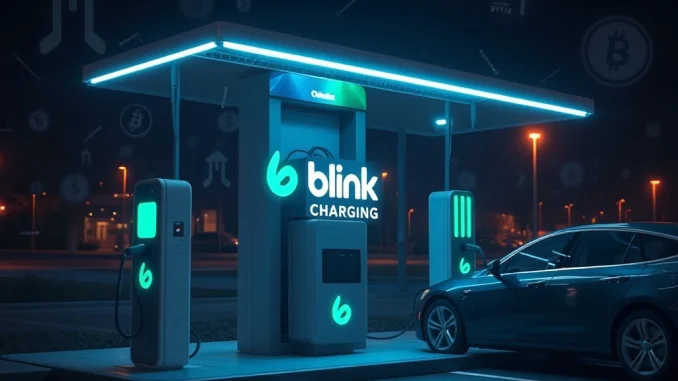
The landscape of electric vehicle (EV) charging is undergoing a significant transformation. Nasdaq-listed Blink Charging recently announced a groundbreaking initiative. The company will now accept cryptocurrency payments for its extensive network of EV charging services. This move marks a pivotal moment. It merges the rapidly expanding world of electric vehicles with the innovative realm of digital currencies. Indeed, this decision by a major industry player signals a growing acceptance of crypto in everyday transactions.
Blink Charging Embraces Digital Currency
Blink Charging operates a vast network of EV charging stations. Furthermore, it provides charging equipment and services. The company’s recent announcement directly addresses a burgeoning market. Many consumers now hold digital assets. Therefore, offering cryptocurrency payments caters to this evolving user base. This initiative makes charging more accessible. It also broadens payment options for EV drivers nationwide. Ultimately, this integration enhances user convenience significantly.
The company confirmed its intention to support various cryptocurrencies. These include Bitcoin (BTC) and Ethereum (ETH). Other major altcoins will also be accepted. This wide acceptance ensures flexibility for users. Moreover, it solidifies Blink Charging’s position as an innovator. The firm is embracing future-forward payment solutions. Consequently, this step simplifies the payment process for a diverse group of customers. It offers a seamless transaction experience.
The Mechanics of Cryptocurrency Payments for EV Charging
Implementing cryptocurrency payments for EV charging involves several technical considerations. Blink Charging has partnered with a leading payment processor. This partnership facilitates secure and efficient transactions. When a driver charges their vehicle, they can select a crypto payment option. The system then converts the cryptocurrency into fiat currency. This conversion happens in real-time. Therefore, Blink Charging receives stable, traditional currency. This process mitigates volatility risks for the company. Users benefit from the convenience of digital assets. Meanwhile, the company maintains financial stability.
Key aspects of this new payment system include:
- Real-Time Conversion: Cryptocurrencies convert instantly at the point of sale.
- Multiple Coin Support: Users can pay with popular digital assets like BTC and ETH.
- Enhanced Security: Advanced encryption protects all transaction data.
- Reduced Transaction Fees: In some cases, crypto transactions may offer lower fees than traditional methods.
This streamlined approach makes paying for EV charging easier. It removes barriers for crypto holders. Consequently, it encourages greater engagement with Blink Charging services. This innovation also highlights the practical utility of digital currencies in everyday life.
Driving Forward: Cryptocurrency and Electric Vehicles Converge
The convergence of cryptocurrency and electric vehicles represents a significant trend. Both sectors champion innovation and sustainability. EV adoption continues its rapid ascent globally. Simultaneously, digital assets gain mainstream acceptance. This synergy creates new opportunities. For instance, paying for fuel or charging with crypto offers a modern solution. It aligns with the forward-thinking nature of EV ownership. This development could inspire other automotive-related businesses. They might explore similar payment integrations. Indeed, the future of mobility increasingly intersects with digital finance.
Furthermore, the environmental impact of this integration is notable. Electric vehicles reduce carbon emissions. Cryptocurrencies, particularly those moving to Proof-of-Stake models, are becoming more energy-efficient. This dual focus on sustainability creates a compelling narrative. It positions Blink Charging at the forefront of a greener, more digitally advanced future. The company is not just offering a payment option. It is contributing to a broader movement. This movement promotes both environmental responsibility and financial innovation.
The Impact of Increased Crypto Adoption in Real-World Services
Blink Charging’s decision has broader implications for crypto adoption. When established, publicly traded companies embrace digital currencies, it lends significant credibility. This move signals to other industries that cryptocurrency is a viable payment method. It is not merely a speculative asset. Increased utility drives demand and stability for digital assets. Moreover, it educates the public on the practical uses of crypto. This fosters greater understanding and trust.
This development could accelerate a domino effect. More businesses might consider integrating crypto payments. Retail, hospitality, and other service sectors could follow suit. Ultimately, this broadens the utility of cryptocurrencies. It moves them beyond investment portfolios into daily commerce. Such widespread acceptance is crucial for the long-term growth and stability of the crypto market. It signifies a maturation of the digital asset ecosystem. This evolution makes crypto a more integral part of the global economy.
Blink Charging’s embrace of cryptocurrency payments marks a progressive step. It benefits EV drivers and the broader crypto community. This move enhances convenience and expands payment options. It also strengthens the legitimacy of digital currencies. As the worlds of electric vehicles and blockchain technology continue to evolve, such innovations will undoubtedly shape our future. This development positions Blink Charging as a leader. It is at the intersection of sustainable transportation and cutting-edge financial technology.
Frequently Asked Questions (FAQs)
1. Which cryptocurrencies will Blink Charging accept for EV charging?
Blink Charging plans to accept major cryptocurrencies. These include Bitcoin (BTC) and Ethereum (ETH). They will also support other popular altcoins. The exact list may expand over time.
2. How does the cryptocurrency payment process work at Blink Charging stations?
When you choose to pay with cryptocurrency, the system will convert your digital assets into fiat currency in real-time. This ensures Blink Charging receives a stable payment. You simply select the crypto option and complete the transaction via a linked wallet.
3. Will there be additional fees for using cryptocurrency payments?
Transaction fees for cryptocurrency payments can vary. They depend on the specific network and payment processor. Blink Charging aims to keep these fees competitive. Users should check the details during the transaction process.
4. Is this move by Blink Charging part of a larger trend in the EV industry?
Yes, Blink Charging’s decision reflects a growing trend. More companies are exploring cryptocurrency payments. This is especially true in sectors like electric vehicles. It aligns with the innovative spirit of both industries.
5. What are the benefits of paying for EV charging with cryptocurrency?
Paying with cryptocurrency offers several benefits. These include increased payment flexibility and convenience. It also provides access for individuals who prefer digital assets. Furthermore, it supports the broader adoption of cryptocurrencies in daily commerce.