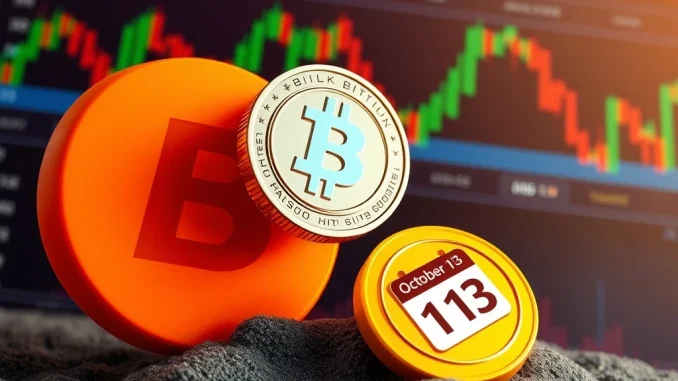
The cryptocurrency market constantly evolves. Therefore, major announcements from leading exchanges often capture significant attention. Recently, South Korean crypto exchange Bithumb issued a critical notice. It confirmed the upcoming delisting of Rai Finance (SOFI). This decision impacts many token holders. Bithumb specified the delisting date and time. Trading for SOFI will cease at 6:00 a.m. UTC on October 13. This development prompts important questions. What does this Bithumb delisting signify for the project? Furthermore, what immediate steps should investors take?
Understanding Rai Finance (SOFI) and Its Mission
Before examining the implications, it is essential to understand Rai Finance. Rai Finance (SOFI) positions itself as a decentralized finance (DeFi) project. It aims to bridge traditional financial services with the burgeoning crypto world. The platform focuses on providing a cross-chain swap protocol. This protocol allows for various asset exchanges across different blockchain networks. In addition, Rai Finance offers a lending and borrowing solution. This expands its utility within the DeFi ecosystem. SOFI serves as the native utility token for the platform. Holders can use SOFI for governance purposes. They can also stake it to earn rewards. Moreover, SOFI covers transaction fees within the ecosystem. The project initially sought to enhance liquidity. It also aimed to improve interoperability across diverse blockchains. Ultimately, it strived to create a more integrated financial experience.
The Mechanics of SOFI Delisting Explained
The impending SOFI delisting from Bithumb represents a significant event. When a cryptocurrency exchange delists a token, it removes all associated trading pairs. This means users can no longer buy, sell, or trade the token on that specific platform. For SOFI, the exact cessation time is 6:00 a.m. UTC on October 13. After this deadline, all trading activities for SOFI on Bithumb will halt. This includes spot trading and any other related services. However, a delisting does not typically affect immediate withdrawals. Exchanges usually provide a grace period. During this time, users can move their tokens. They can transfer them to personal wallets or other supporting exchanges. It is crucial for investors to grasp these timelines. They must act promptly to avoid potential complications or loss of access to their funds.
Why a Crypto Exchange Delisting Occurs
A crypto exchange delisting is not an uncommon occurrence. The digital asset market remains dynamic and volatile. Exchanges delist tokens for various reasons. Here are some of the most frequent factors:
- Low Liquidity: Tokens with minimal trading volume often get delisted. They offer poor trading experiences due to wide bid-ask spreads.
- Regulatory Concerns: Exchanges must comply with local and international regulations. Projects failing to meet these standards face removal. Changes in legal frameworks can also trigger delistings.
- Technical Issues: Problems like smart contract vulnerabilities, network instability, or persistent technical glitches can lead to delisting. Exchanges prioritize platform stability.
- Project Inactivity: If a project becomes inactive, it might fail to deliver on its roadmap. A lack of communication from the development team is also a red flag.
- Market Manipulation Risks: Exchanges strive to prevent pump-and-dump schemes. They also aim to avoid other forms of market manipulation. Tokens deemed susceptible to such activities may be delisted.
- Failure to Meet Listing Criteria: Exchanges often have ongoing requirements. These include minimum market capitalization, community engagement, or security audits. Failure to maintain these standards can result in removal.
Exchanges regularly review their listed assets. They do this to maintain a healthy and secure trading environment. Therefore, delistings serve as a mechanism for quality control.
Bithumb’s Stance and User Implications for SOFI Holders
Bithumb operates as a major South Korean exchange. It adheres to strict listing and maintenance criteria. The decision regarding Bithumb SOFI follows their internal review processes. These assessments consider various factors. They include current market conditions, the health of the project, and regulatory compliance. For current SOFI holders, this delisting carries significant implications. Their ability to trade SOFI on Bithumb will conclude soon. This situation could lead to a sudden drop in liquidity for SOFI on that specific platform. It might also impact the token’s price across other exchanges where it is listed. Therefore, users must take proactive measures. They should consider transferring their SOFI holdings. These transfers can go to personal wallets or other supporting exchanges. Always verify the receiving address carefully. This prevents any accidental loss of funds.
Navigating the Post-Delisting Landscape: What to Do
The October 13 deadline for the Bithumb delisting of SOFI is fast approaching. Holders must prioritize action. First, check if SOFI is listed on other reputable exchanges. If so, transferring funds there might be an option for continued trading. Second, consider withdrawing SOFI to a private, non-custodial wallet. This ensures full control over your assets. Hardware wallets or secure software wallets are good choices. Always back up your seed phrase. Third, monitor official announcements from the Rai Finance team. They might provide guidance on future exchange listings or project developments. Do not delay these actions. The grace period for withdrawals, while usually provided, has its own deadline. Missing it could lead to complications in accessing your tokens.
The Broader Context: South Korean Regulations and Crypto Trends
South Korea maintains a robust regulatory environment for cryptocurrencies. Its financial authorities have been proactive. They aim to ensure investor protection and market stability. This includes strict anti-money laundering (AML) and know-your-customer (KYC) requirements for exchanges. The regulatory landscape often influences listing and delisting decisions. Exchanges like Bithumb operate under close scrutiny. Consequently, they must act decisively when projects no longer meet stringent criteria. Furthermore, a broader trend of delistings has been observed across the industry. Exchanges globally are refining their asset lists. They often remove projects with low volume, questionable fundamentals, or regulatory ambiguities. This trend reflects a maturing market. It also indicates a growing emphasis on compliance and sustainability. Therefore, the SOFI delisting aligns with these industry-wide shifts. It underscores the importance of due diligence for both projects and investors.
Conclusion: A Critical Juncture for Rai Finance
The announcement of the Bithumb delisting of Rai Finance (SOFI) marks a critical juncture. It highlights the dynamic nature of the cryptocurrency market. It also emphasizes the ongoing need for vigilance from investors. While the immediate impact affects SOFI holders on Bithumb, the broader implications extend further. Projects must continuously demonstrate viability and compliance. Investors, conversely, must stay informed. They need to understand the risks associated with digital assets. As the October 13 deadline approaches, timely action remains paramount for all affected parties. The future trajectory of Rai Finance will depend on its ability to adapt and maintain its ecosystem amidst these challenges.
Frequently Asked Questions (FAQs)
Q1: What does Bithumb’s delisting of Rai Finance (SOFI) mean for my tokens?
A1: The Bithumb delisting means you can no longer trade (buy or sell) SOFI on the Bithumb exchange after 6:00 a.m. UTC on October 13. You will need to withdraw your SOFI tokens to a personal wallet or another exchange that supports SOFI.
Q2: What is the deadline to withdraw my SOFI tokens from Bithumb?
A2: While trading ceases on October 13, Bithumb typically provides a grace period for withdrawals. Always check the official Bithumb announcement for the exact withdrawal deadline. It is crucial to withdraw your tokens before this period ends.
Q3: Why did Bithumb decide on the SOFI delisting?
A3: Crypto exchanges delist tokens for various reasons. Common factors include low trading volume, regulatory compliance issues, technical problems with the project, or a lack of development activity. Bithumb’s decision likely stems from its internal review criteria.
Q4: Where else can I trade Rai Finance (SOFI) after the Bithumb delisting?
A4: You should research other cryptocurrency exchanges that list Rai Finance (SOFI). Check reputable crypto data aggregators or the official Rai Finance website for a list of supporting platforms. Always ensure the exchange is trustworthy before transferring funds.
Q5: Will the SOFI delisting affect the price of Rai Finance?
A5: A delisting from a major exchange like Bithumb can potentially impact a token’s price. It often leads to reduced liquidity and may cause selling pressure as holders move their assets. However, market prices are influenced by many factors, so the exact impact can vary.
Q6: What should I do if I miss the withdrawal deadline for SOFI on Bithumb?
A6: If you miss the withdrawal deadline, accessing your tokens might become significantly more difficult, or even impossible. Contact Bithumb’s customer support immediately. However, exchanges are not always able to recover funds after a hard deadline.