Get ready for a deep dive into the latest market tremors! Bitcoin, the world’s leading cryptocurrency, just made headlines with a significant 2% jump, briefly touching $119,000. This impressive surge isn’t just a random fluctuation; it’s a direct response to a crucial development on the global economic stage: a 90-day extension to the U.S.-China tariff truce. What does this mean for your portfolio, and why is Bitcoin reacting so strongly to international trade talks? Let’s unpack the story behind this pivotal shift in the crypto market.
The Catalyst: Unpacking the US-China Tariff Truce
The financial world held its breath as negotiations unfolded in Stockholm, and the news finally broke: a 90-day extension to the contentious U.S.-China tariff truce. This temporary reprieve, if officially confirmed, means a delay in new tariffs until August 12. For markets bracing for trade-related volatility, especially since the Trump administration’s protectionist policies, this brings a wave of relief. Key figures, including U.S. Treasury Secretary Scott Bessent and Chinese Vice Premier He Lifeng, were central to these talks, with He Lifeng emphasizing the potential for strengthened economic ties [3].
This extension isn’t just about delaying tariffs; it’s a strategic move reflecting both nations’ focus on economic stability over immediate concessions. It’s a pattern we’ve seen before in managing their complex trade relationship. Such geopolitical agreements are vital because they reduce short-term uncertainty, often prompting capital to flow from traditional safe-haven assets like gold into more dynamic investments, including cryptocurrencies and equities [4].
Bitcoin’s Role as a Barometer: Shifting Investor Sentiment
Why did Bitcoin react so dramatically? The cryptocurrency’s 2% gain aligns perfectly with broader market optimism. Historically, tariff negotiations and geopolitical agreements have often driven short-term price increases in risk assets like Bitcoin [5]. This event reinforces Bitcoin’s growing reputation as a barometer for global economic uncertainty.
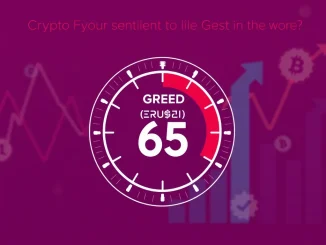
When the global economic outlook stabilizes, even temporarily, investor sentiment shifts. Traders, who were previously cautious, become more willing to take on risk. This translates into increased demand for assets perceived to have higher growth potential, and in the digital age, Bitcoin often leads that charge. It’s a clear signal that the digital asset is increasingly intertwined with traditional macroeconomic forces.
Broader Implications for the Crypto Market
The ripple effect of this tariff truce extended beyond just Bitcoin. The global crypto market cap itself approached a staggering $4 trillion as traders reacted positively to the news. This indicates a broader uplift across the digital asset space, suggesting that the positive sentiment is not isolated to Bitcoin but is influencing the entire ecosystem.
The interconnectedness of trade policies and crypto valuations is becoming undeniable. Institutional investors, with their significant resource allocation, are closely watching these developments, and their decisions will undoubtedly influence long-term trends. The outcome of the Stockholm talks, combined with broader geopolitical developments—like the EU’s recent trade agreements with the U.S.—will continue to shape investor confidence in the months ahead [7].
Navigating Volatility: What’s Next for Bitcoin?
While the current optimism is palpable, experts caution that Bitcoin‘s inherent volatility means rapid reversals are always possible if tensions resurface. The August 12 deadline looms large as a critical benchmark. Negotiators still face the challenge of resolving lingering disputes over tariffs, technology, and supply chains [6]. This truce provides a breathing room, not a definitive solution.
For investors, this means maintaining a balanced perspective. The short-term gains are encouraging, but the underlying geopolitical complexities remain. The market’s reaction underscores the delicate balance between geopolitical risk mitigation and overall market stability. Future developments in trade relations will continue to be a significant factor in Bitcoin’s price trajectory.
Why Risk Assets Thrive on Stability
The behavior of risk assets like Bitcoin during periods of reduced geopolitical tension offers a fascinating insight into market psychology. When uncertainty decreases, the perceived risk of holding volatile assets diminishes. This encourages investors to reallocate capital from ‘safe’ but low-yield assets into those with higher potential returns.
This dynamic highlights Bitcoin’s evolving role. No longer just a niche digital currency, it’s increasingly viewed as a viable investment class, particularly sensitive to global economic shifts. Its ability to rally on news of trade stability reinforces its position as a bellwether for the broader appetite for risk in financial markets.
Conclusion: Cautious Optimism Prevails
The recent 2% jump in Bitcoin‘s price to $119,000, triggered by the 90-day U.S.-China tariff truce, is a powerful testament to the cryptocurrency’s growing sensitivity to global macroeconomic events. It signals a notable shift in investor sentiment, channeling capital towards risk assets and pushing the global crypto market cap higher. While this temporary truce offers significant relief and has sparked widespread optimism, the road ahead remains complex. The August 12 deadline will be crucial, and investors should remain vigilant to future developments in global trade relations. For now, the digital asset landscape breathes a sigh of cautious optimism, underscoring the intricate dance between geopolitics and market stability.
Frequently Asked Questions (FAQs)
Q1: What caused Bitcoin’s recent price jump?
Bitcoin’s price jumped by 2% to $119,000 following reports of a 90-day extension to the U.S.-China tariff truce. This news reduced short-term economic uncertainty, boosting investor confidence in risk assets like Bitcoin.
Q2: How does the U.S.-China tariff truce impact the crypto market?
The tariff truce reduces trade-related volatility and geopolitical risk, which generally encourages investors to shift capital from safe-haven assets to riskier investments, including cryptocurrencies. This positive investor sentiment can lead to an increase in the overall crypto market capitalization.
Q3: Is Bitcoin considered a safe-haven asset or a risk asset?
The article suggests that Bitcoin is increasingly viewed as a risk asset. Its price gains during periods of reduced uncertainty, when capital flows away from traditional safe-havens like gold, indicate its sensitivity to broader market optimism and appetite for risk.
Q4: What is the significance of the August 12 deadline?
The August 12 deadline is critical because it marks the end of the 90-day tariff truce. By this date, negotiators must resolve lingering disputes over tariffs, technology, and supply chains. Failure to do so could lead to renewed trade tensions and potential market volatility.
Q5: How do geopolitical events affect Bitcoin’s price?
Geopolitical events, particularly those affecting global economic stability like trade agreements or disputes, can significantly influence Bitcoin’s price. Reduced uncertainty often leads to price increases in risk assets, while heightened tensions can cause sell-offs, reinforcing Bitcoin’s role as a barometer for global economic sentiment.