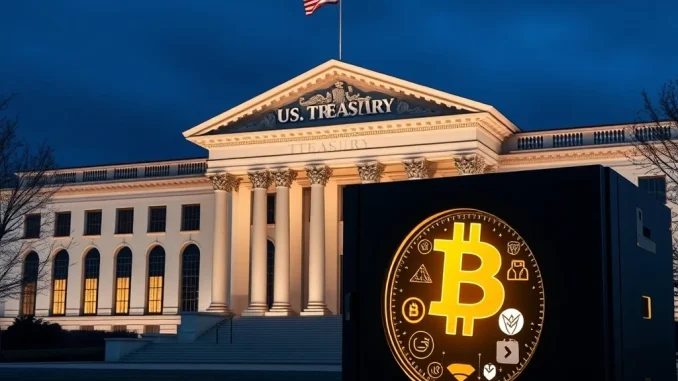
The landscape of national financial strategy may soon see a groundbreaking evolution. A recent development in the United States signals a serious consideration of Bitcoin and other digital assets for the nation’s strategic reserves. This potential shift marks a significant moment for cryptocurrency integration into mainstream governmental policy, demanding close attention from investors and policymakers alike.
Unpacking the Proposed Bitcoin Study
A provision within the 2026 appropriations bill, introduced by the U.S. House Appropriations Committee, specifically directs the US Treasury Department to undertake a comprehensive study. This directive focuses on managing Bitcoin and various other digital assets as components of the national strategic reserves. BeInCrypto first reported this development, highlighting its potential impact on future financial policy. Consequently, this move suggests a proactive approach by US lawmakers.
The proposed legislation outlines clear requirements for this crucial study. The Treasury must deliver a detailed report within 90 days of the bill’s enactment. This report will extensively cover essential methods for several key areas:
- Custody: How to securely hold and manage these digital assets, considering their decentralized nature and unique security requirements.
- Cybersecurity: Strategies to protect these valuable assets from sophisticated digital threats, including hacking and state-sponsored attacks. This involves assessing current capabilities and identifying necessary enhancements.
- Accounting: Proper methods for valuing, recording, and reporting digital asset holdings within federal financial frameworks. This presents complex challenges due to price volatility and the novelty of these assets.
Furthermore, the bill mandates a classified report. The Treasury will submit this sensitive report in conjunction with the National Security Agency (NSA). This collaboration underscores deep concerns for national security implications surrounding such a significant financial shift. Importantly, the legislation currently does not mandate any direct purchase of BTC. It solely focuses on the feasibility and methodology of potential future inclusion. Therefore, the study represents an exploratory phase.
Why the Shift Towards Digital Assets?
Global financial landscapes constantly evolve. Many nations now explore innovative ways to secure their economic futures and maintain competitive advantages. The inclusion of digital assets like Bitcoin in national discussions reflects a growing recognition of their market capitalization and technological potential. This shift moves beyond traditional fiat currencies and gold, acknowledging a new class of global value.
Governments increasingly acknowledge the need to understand and potentially leverage new financial technologies. This proactive approach helps maintain economic stability and competitive advantage in a rapidly digitizing world. Digital assets offer unique characteristics. For example, they provide decentralization and potential inflation hedging. These features appeal to some forward-thinking policymakers. Moreover, the increasing adoption of cryptocurrencies globally makes their study a strategic imperative.
The Critical Role of Strategic Reserves
National strategic reserves serve a critical purpose. They act as a safeguard against economic shocks, supply chain disruptions, or national emergencies. Historically, these reserves have comprised gold, foreign currencies, and essential commodities like oil. The US maintains various strategic reserves, such as the Strategic Petroleum Reserve, ensuring national resilience and stability.
Adding Bitcoin to these reserves would represent a modernizing step. It could significantly diversify national holdings, offering a new dimension to financial security. This diversification might offer novel hedges against traditional market volatility and geopolitical risks. Such a move also signals a maturation of the cryptocurrency market in the eyes of state actors. It validates their growing importance on the global stage. Consequently, this study could redefine how nations perceive and manage their wealth.
Implications for US Treasury and National Security
The US Treasury faces a complex, multi-faceted task. Integrating digital assets into strategic reserves presents both unprecedented opportunities and significant challenges. Ensuring the secure custody of decentralized assets, for example, requires novel technological and legal solutions. Existing frameworks may prove inadequate for this purpose. Cybersecurity concerns become paramount when dealing with high-value digital holdings, as a single breach could have catastrophic consequences.
Collaboration with the NSA further underscores the critical national security dimension. Digital assets could offer new tools for economic warfare or, conversely, present new vulnerabilities if not managed expertly. The study will likely delve into these dual aspects, providing a comprehensive risk assessment. It will also examine the potential for illicit use and the implications for financial surveillance. Thus, the report will offer a holistic view of the security landscape.
A Closer Look at the Appropriations Bill
The 2026 appropriations bill is a significant legislative vehicle. It funds various government agencies and programs for the upcoming fiscal year. Embedding this directive within such a bill elevates the importance of the Bitcoin study. It signals serious intent from lawmakers to explore all avenues for national financial strength. This legislative placement ensures the study receives necessary resources and attention.
This approach demonstrates a methodical legislative process. It seeks information and expert analysis before committing to any direct action or significant policy shift. This contrasts sharply with more immediate, reactive policy changes often seen in other areas. The bill’s language reflects a cautious yet forward-thinking stance on digital assets. It prioritizes informed decision-making over hasty implementation. Therefore, this provision represents a deliberate and strategic move by Congress.
Global Precedents and Future Outlook for Digital Assets
While the US explores this path, other nations have already begun considering or implementing similar strategies. El Salvador adopted Bitcoin as legal tender, for instance, and holds a significant amount in its national treasury. Other countries, like China and various European nations, have explored central bank digital currencies (CBDCs). These global movements provide crucial context for the US initiative, demonstrating a worldwide trend towards digital currency exploration.
The outcome of the US Treasury study will significantly influence future policy decisions. It could pave the way for formal digital assets integration into federal financial structures. Alternatively, it might highlight insurmountable technical or security challenges, leading to a more cautious approach. Regardless, this legislative step marks a watershed moment for cryptocurrency in national finance. It acknowledges digital assets as a serious component of future economic strategy. The findings will certainly fuel further debate and innovation in the digital economy.
Conclusion: The provision in the 2026 appropriations bill represents a crucial, forward-looking step. It compels the US Treasury to thoroughly investigate the feasibility of incorporating Bitcoin and other digital assets into the nation’s strategic reserves. While not a mandate for purchase, this comprehensive study signifies a serious governmental acknowledgment of cryptocurrency’s growing importance and potential strategic value. The findings from this in-depth analysis will undoubtedly shape future discussions on national economic security, financial innovation, and the evolving role of digital assets in global policy. This initiative positions the US at the forefront of understanding digital currency’s long-term impact.
Frequently Asked Questions About Bitcoin and Strategic Reserves
Q1: What is the primary purpose of this US bill regarding Bitcoin?
A1: The bill directs the US Treasury Department to conduct a comprehensive study. This study will examine the feasibility and methods for managing Bitcoin and other digital assets as part of the nation’s strategic reserves. It aims to understand the implications before any direct action.
Q2: Does the bill mandate the US Treasury to buy Bitcoin or other digital assets?
A2: No, the legislation explicitly does not mandate any purchase of Bitcoin (BTC) or other digital assets. It solely requires a study and report on the potential management, custody, cybersecurity, and accounting aspects of such an inclusion.
Q3: What specific areas will the US Treasury study in its report?
A3: The Treasury’s report must cover methods for the custody of digital assets, strategies for ensuring their cybersecurity, and appropriate accounting practices for valuing and recording them within national reserves. A classified report will also be submitted with the NSA.
Q4: Why is the National Security Agency (NSA) involved in this study?
A4: The NSA’s involvement underscores the critical national security implications associated with managing high-value digital assets as part of strategic reserves. Their expertise will help assess potential vulnerabilities, threats, and the overall security framework required.
Q5: How soon will the Treasury report its findings from this study?
A5: The bill requires the US Treasury Department to submit its public report within 90 days of the appropriations bill becoming law. The classified report with the NSA will also follow this timeline.
Q6: What are “strategic reserves” and why are digital assets being considered for them?
A6: Strategic reserves are national assets (like gold, foreign currencies, or oil) held by a government to safeguard against economic shocks, supply disruptions, or national emergencies. Digital assets like Bitcoin are being considered for their potential to diversify these reserves, offer new hedges against traditional market volatility, and modernize national financial strategy.