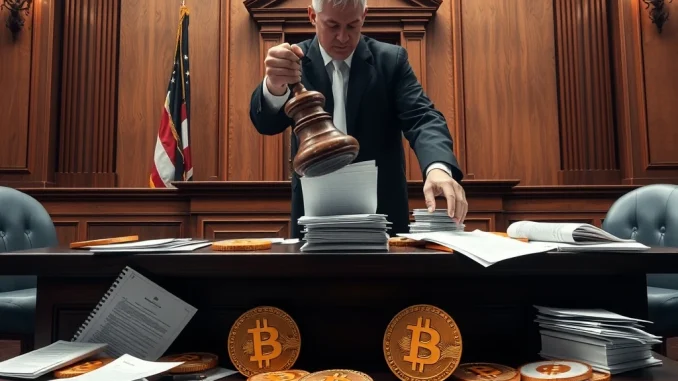
In a stunning turn of events, Volusia County has been forced to reverse its controversial Bitcoin seizure, returning over $700,000 to a foreign brokerage after glaring procedural flaws were exposed. This case highlights the precarious balance between law enforcement and constitutional protections in the rapidly evolving world of cryptocurrency.
How Did Volusia County’s Bitcoin Seizure Go Wrong?
The seizure unraveled due to multiple critical errors:
- The warrant lacked a court-filed case number
- No direct link was established between the seized Bitcoin and the $20,000 fraud investigation
- The county failed to follow proper due process procedures
The Legal Battle Over Crypto Forfeiture
Attorney Leslie Sammis successfully challenged the seizure by demonstrating:
| Issue | Impact |
|---|---|
| Unfiled warrant | Violated due process |
| Missing case number | Lack of legal standing |
| No fraud connection | No justification for seizure |
What This Means for Crypto Investors
The case sets important precedents:
- Higher scrutiny required for crypto asset seizures
- Need for transparent documentation
- Importance of verifiable fraud links
- Value of specialized legal counsel
The Broader Implications for Crypto Regulation
This incident exposes systemic risks in crypto-related legal actions as adoption grows. Experts warn that without standardized protocols, similar wrongful confiscations could become more common.
FAQs About the Volusia County Bitcoin Seizure
Why was the Bitcoin seizure reversed?
The seizure was reversed due to procedural flaws including an unfiled warrant and lack of evidence connecting the Bitcoin to the alleged fraud.
How much Bitcoin was returned?
Over $700,000 worth of Bitcoin was returned to the brokerage.
What does this mean for future crypto seizures?
The case sets a precedent requiring stricter procedural safeguards and more evidence before crypto assets can be seized.
Was the brokerage involved in fraud?
No, blockchain tracing confirmed no connection between the brokerage’s wallet and the alleged fraud.
What should crypto investors learn from this?
Investors should be aware of their rights and the importance of legal preparedness when dealing with crypto assets.