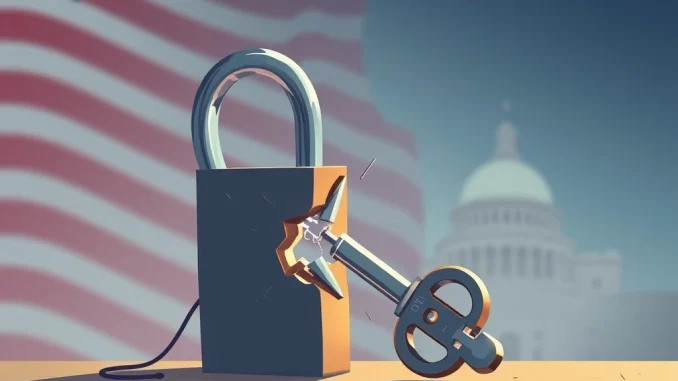
The recent Bitcoin seizure by US authorities has sent ripples through the cryptocurrency community. It involves a massive 127,271 BTC linked to the Lubian Bitcoin mining pool case. This significant event highlights a critical private key vulnerability, as revealed by F2Pool founder Shenyu. His insights underscore an ongoing risk within the digital asset space.
Understanding the Alarming Private Key Vulnerability
According to Shenyu, the US authorities successfully secured these vast digital assets because of a fundamental flaw. This flaw resides in the randomness of the Bitcoin private key generation process. Private keys are essential for accessing and controlling cryptocurrency. Therefore, any weakness in their creation is a serious matter. A compromised private key means that someone else could potentially access funds.
Shenyu further warned that this private key vulnerability continues to affect over 220,000 wallets. Surprisingly, despite this known risk, people are still transferring funds to these susceptible addresses. This behavior indicates either a lack of awareness or a misunderstanding of the inherent dangers. Users must prioritize robust crypto security measures.
The Lubian BTC Case and US Authorities’ Action
The US government recently confirmed the seizure and holding of the 127,271 BTC. This action connects directly to the indictment of Prince Group Chairman Chen Zhi. He stands accused of being the mastermind behind Lubian. The amount seized precisely matches the sum reportedly stolen by hackers during a rumored 2020 hack of Lubian. US authorities have explicitly stated that these funds originated from a Lubian wallet under Chen Zhi’s control. This detail links the seizure directly to illicit activities.
What is a Private Key and Why is Randomness Crucial?
A Bitcoin private key is a secret number. It allows you to spend your bitcoins. Think of it as the password to your cryptocurrency wallet. Without it, you cannot move your funds. The security of a private key relies entirely on its randomness. If a private key is not truly random, it becomes predictable. Predictable keys are much easier for malicious actors to guess or generate. This flaw in randomness could expose many wallets to compromise.
- Private Key: A secret number granting access to crypto funds.
- Randomness: Essential for unpredictability, making keys unguessable.
- Vulnerability: A flaw allowing easier generation or discovery of keys.
Implications for Crypto Security and User Awareness
The revelation of this private key vulnerability has significant implications for overall crypto security. It underscores the importance of using reputable wallet providers and secure generation methods. Users should always verify the security practices of any platform they use. The fact that 220,000 wallets remain affected, with funds still flowing into them, is a stark warning. This situation demands greater user education and vigilance within the crypto space. It is a reminder that even fundamental aspects of blockchain technology can have unforeseen weaknesses.
Protecting Your Digital Assets: Best Practices
Given the risks highlighted by the Bitcoin seizure and the underlying vulnerability, users must adopt robust security practices. Consider using hardware wallets for storing significant amounts of cryptocurrency. These devices generate private keys offline, minimizing exposure. Always use strong, unique passwords for all crypto-related accounts. Enable two-factor authentication (2FA) wherever possible. Regularly review your wallet addresses and transaction history. Staying informed about potential threats is also crucial for maintaining crypto security.
The Role of US Authorities in Digital Asset Seizures
The actions taken by US authorities in the Lubian BTC case demonstrate a growing capability in tracking and seizing digital assets. As cryptocurrencies become more integrated into the financial system, law enforcement agencies are developing sophisticated tools. They can trace illicit transactions and secure funds linked to criminal activities. This capability serves as a deterrent against the use of crypto for illegal purposes. It also highlights the increasing transparency of blockchain networks, despite common misconceptions about anonymity.
The Future of Crypto Security and Regulatory Oversight
This incident will likely prompt further discussions on improving crypto security protocols. Developers and service providers may need to reassess their private key generation methods. Regulatory bodies might also consider new guidelines to protect users from such vulnerabilities. The ongoing collaboration between analysts like Shenyu and law enforcement will be vital. Such efforts help to identify and mitigate risks in the evolving digital landscape. The Bitcoin seizure serves as a powerful case study for the entire industry.
The Bitcoin seizure linked to the Lubian BTC case due to a private key vulnerability is a significant development. It highlights both the risks within the cryptocurrency ecosystem and the increasing effectiveness of US authorities in combating crypto-related crime. Users must remain vigilant and prioritize crypto security to protect their digital assets. Education and awareness are paramount in navigating these complex challenges.
Frequently Asked Questions (FAQs)
Q1: What exactly is the private key vulnerability mentioned?
A1: The vulnerability stems from a flaw in the randomness of the Bitcoin private key generation process. This means that some private keys might not be as unique or unpredictable as they should be, making them potentially guessable or discoverable by malicious actors.
Q2: How did US authorities manage to seize the 127,271 BTC?
A2: According to F2Pool founder Shenyu, US authorities were able to secure the private keys due to this randomness flaw. This allowed them to gain control of the funds associated with those compromised keys, linking them to the Lubian Bitcoin mining pool case.
Q3: Which wallets are affected by this vulnerability?
A3: Shenyu stated that over 220,000 wallets are still affected by this specific private key generation flaw. This poses an ongoing risk for users who hold funds in these susceptible addresses.
Q4: What is the significance of the Lubian Bitcoin mining pool in this case?
A4: The seized 127,271 BTC is directly connected to the Lubian Bitcoin mining pool case and its alleged operator, Prince Group Chairman Chen Zhi. The amount seized matches funds rumored to have been stolen during a 2020 hack of Lubian, suggesting a recovery of illicitly obtained assets.
Q5: What steps can users take to protect their funds from such vulnerabilities?
A5: Users should prioritize strong crypto security practices. This includes using hardware wallets for cold storage, enabling two-factor authentication, using unique and complex passwords, and staying informed about potential security threats and best practices for private key management.