The world of finance is constantly buzzing, and today, Bitcoin News takes center stage as a significant geopolitical development unfolds. The recent extension of the U.S.-China tariff truce has sent ripples across global markets, raising questions about its immediate and long-term effects on digital assets. What does this crucial agreement mean for your crypto portfolio and the broader economic landscape?
Bitcoin News Today: The Crucial US-China Trade Truce Unveiled
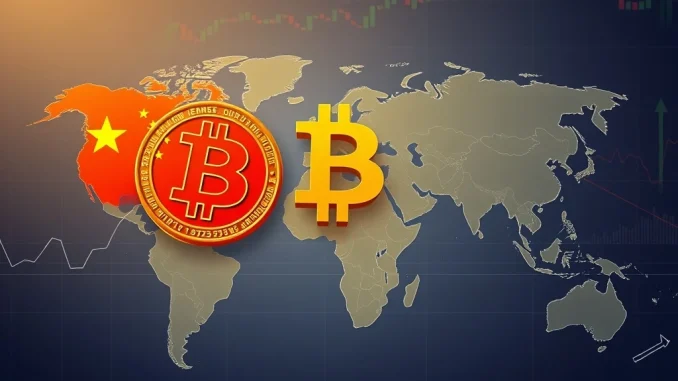
In a move that offers temporary relief to global trade, the United States and China have extended their tariff truce by another 90 days. This pivotal decision emerged from high-level negotiations held in Stockholm, led by U.S. Treasury Secretary Scott Bessent and Chinese Vice Premier He Lifeng. This marks their third significant meeting in recent months, underscoring ongoing efforts to de-escalate trade tensions. The primary goal of this US-China Trade Truce is to delay the imposition of new tariffs, creating a vital buffer period for both nations to address and potentially resolve their broader trade disputes. Discussions were described as “constructive,” with Secretary Bessent highlighting the potential for this truce to pave the way for addressing “broader trade and geopolitical issues” in upcoming talks. This extension effectively averts immediate escalations, providing a much-needed period of calm for Global Markets grappling with persistent geopolitical uncertainties.
Understanding the Tariff Extension: A 90-Day Window of Opportunity
The Tariff Extension offers a reprieve from the immediate threat of escalating trade duties. Historically, such pauses have contributed to reduced market volatility. For instance, past extensions saw Bitcoin approach record highs as trade-related uncertainty diminished. This 90-day window allows businesses and supply chains to breathe. The existing 145% tariffs on U.S. imports and 125% tariffs on Chinese goods have already strained global manufacturing and technology sectors. Companies reliant on cross-border logistics have been bracing for potential shocks. This truce provides an opportunity for businesses to adjust inventory strategies and supply chain resilience without the immediate pressure of new tariff hikes. However, experts caution that this is a temporary solution, as fundamental issues like intellectual property disputes and export controls on advanced technologies remain unresolved.
The Cryptocurrency Market’s Reaction: Muted, Yet Observant
Despite the positive news for traditional markets, the immediate effects on the Cryptocurrency Market have been surprisingly muted. While Bitcoin (BTC) did see a modest surge of approximately 1-2% in the days leading up to the announcement, there have been no significant or sustained shifts in crypto trading volumes post-decision. Analysts attribute this restrained reaction to the crypto sector’s increasing sensitivity to broader macroeconomic conditions and regulatory developments rather than solely to trade news. Ethereum (ETH), much like Bitcoin, has not shown significant price movement directly tied to the truce extension. This reflects a broader trend where crypto markets are currently prioritizing on-chain activity, technological advancements, and regulatory clarity over macro trade events. While reduced geopolitical uncertainty can historically drive speculative investment in risk-on assets like crypto, the current market seems to be processing this news with a degree of caution, focusing on underlying fundamentals.
Navigating Global Markets: What This Means for Businesses and Investors
The cautiously optimistic response from Global Markets underscores the temporary nature of this agreement. While the absence of immediate escalation is a positive sign, contrasting sharply with earlier phases of the trade war where tariff announcements triggered sharp market swings, the extension does not guarantee a long-term resolution. The underlying issues between the two economic powerhouses persist. He Lifeng’s description of the negotiations as “constructive” is a good sign, but stakeholders are still awaiting concrete policy frameworks that can mitigate long-term risks. Prolonged tensions, even without immediate tariff hikes, continue to pose threats to global trade and investment flows, affecting everything from manufacturing to consumer spending. For investors, this period offers a moment to reassess strategies, but vigilance remains key as the fundamental challenges in U.S.-China relations endure.
In conclusion, the 90-day extension of the U.S.-China tariff truce provides a valuable period of stability for global trade and financial markets. While Bitcoin News and the broader cryptocurrency sector have shown a measured response, it highlights their evolving maturity and focus on core market drivers. This agreement is a temporary bandage, not a cure, allowing both sides more time to negotiate a lasting solution to complex trade and geopolitical issues. Investors and businesses should view this period as an opportunity for strategic planning, recognizing that the path to a complete resolution remains uncertain.
Frequently Asked Questions (FAQs)
1. What is the U.S.-China tariff truce?
The U.S.-China tariff truce is an agreement between the two nations to temporarily halt the imposition of new tariffs on each other’s goods. This particular extension provides a 90-day period for further negotiations aimed at resolving long-standing trade disputes.
2. How has Bitcoin reacted to the tariff truce extension?
Bitcoin (BTC) saw a modest increase of 1-2% in the days leading up to the announcement. However, post-extension, the cryptocurrency market has shown a relatively muted reaction, with no significant sustained shifts in trading volumes.
3. Why haven’t cryptocurrency markets seen a major surge despite the truce?
Analysts suggest that the cryptocurrency market’s reaction is currently more influenced by macroeconomic conditions, regulatory developments, and on-chain activity rather than solely by trade news. While geopolitical stability can be a factor, the market’s focus has shifted.
4. What are the long-term concerns regarding U.S.-China trade relations?
Despite the truce, underlying issues such as intellectual property disputes, export controls on advanced technologies, and broader geopolitical tensions remain unresolved. These unresolved issues could limit the long-term effectiveness of temporary agreements.
5. Who were the key negotiators in the recent Stockholm meeting?
The negotiations were led by U.S. Treasury Secretary Scott Bessent and Chinese Vice Premier He Lifeng, marking their third high-level meeting in recent months.
6. How do geopolitical events typically influence crypto markets?
Historically, reduced geopolitical uncertainty can sometimes drive speculative investment into risk-on assets like cryptocurrencies. However, the current market response suggests an evolving dynamic where crypto markets are increasingly sensitive to a wider range of factors, including regulatory clarity and fundamental economic indicators.