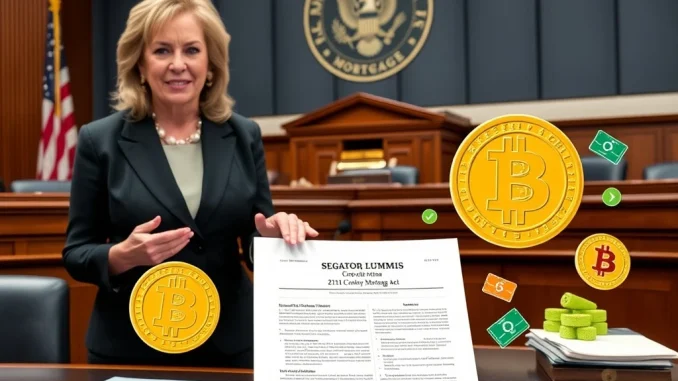
In a bold move to modernize U.S. financial systems, Senator Cynthia Lummis has introduced the 21st Century Mortgage Act, aiming to recognize Bitcoin and digital assets in mortgage loan eligibility. This groundbreaking proposal could revolutionize homeownership for crypto investors.
What Does the 21st Century Mortgage Act Propose?
The bill seeks to update federal mortgage guidelines to include digital assets in creditworthiness assessments. Key provisions include:
- Mandating Fannie Mae and Freddie Mac to consider crypto holdings
- Recognizing digital assets as valid collateral
- Creating standardized valuation methods for crypto assets
Why Bitcoin in Mortgage Loans Matters Now
With over 20% of U.S. adults owning cryptocurrency, Senator Lummis argues current mortgage frameworks exclude a significant portion of potential homeowners. The proposal addresses:
| Current System | Proposed Change |
|---|---|
| Ignores crypto assets | Values digital holdings |
| Traditional collateral only | Accepts Bitcoin as security |
Challenges to Crypto-Backed Mortgage Implementation
While promising, the initiative faces hurdles:
- Volatility concerns from bipartisan lawmakers
- Lack of clear custody frameworks
- Potential cybersecurity risks
- Regulatory uncertainty from FHFA
Global Precedents for Digital Asset Loans
Switzerland and Singapore have pioneered crypto-backed lending with:
- Strict loan-to-value ratios (typically 50%)
- Daily collateral monitoring
- Insurance requirements for custodians
The 21st Century Mortgage Act represents a pivotal moment in financial innovation, potentially bridging traditional banking with the digital asset economy. While challenges remain, its passage could unlock homeownership for millions of crypto investors and accelerate mainstream adoption of digital assets.
Frequently Asked Questions
How would Bitcoin be valued for mortgage applications?
The bill suggests using 30-day average prices or other standardized methods to account for volatility.
What types of digital assets would qualify?
While unspecified, likely candidates include Bitcoin, Ethereum, and stablecoins with established market capitalization.
When might this legislation take effect?
If passed, implementation could take 12-18 months as agencies develop specific guidelines.
How would crypto-backed loans differ from traditional mortgages?
They may require more frequent collateral checks and higher down payments to mitigate volatility risks.