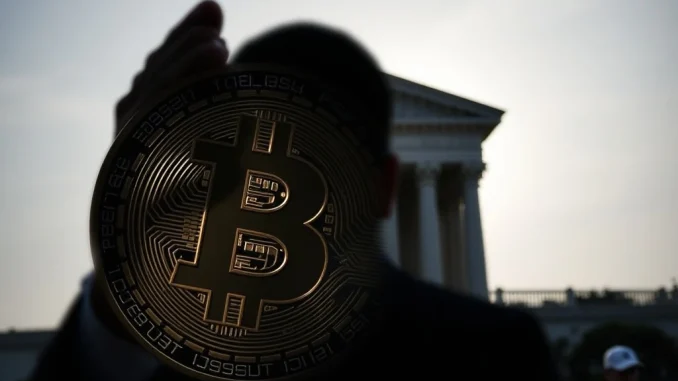
The cryptocurrency world just witnessed a significant legal development. A South Korean court recently delivered an 18-month prison sentence. This ruling targets an individual for concealing 45 stolen Bitcoin (BTC) using a Bitcoin mixing service. This landmark decision marks a crucial moment for global crypto crime enforcement. It formally recognizes mixing services as tools for illicit financial activities.
South Korea’s Stance on Illicit Bitcoin Mixing
South Korean authorities have taken a firm stand against digital asset obfuscation. The court found the defendant guilty of siphoning off funds. He initially stole a mnemonic code, which is a security key for a crypto wallet. This theft allowed access to the funds. Subsequently, the individual utilized both mixing and currency exchange services. These actions aimed to obscure the origin and trail of the stolen Bitcoin. Digital Asset reported on this pivotal case. The 18-month prison sentence underscores the seriousness of such offenses. This case sets a clear precedent. It highlights the growing scrutiny of anonymity-enhancing tools in the crypto space.
Understanding the Role of a Crypto Mixer
A crypto mixer, sometimes called a tumbler, pools various cryptocurrency transactions. It then shuffles and redistributes them. This process makes it extremely difficult to trace the original source of funds. Criminals often use these services to launder illicit gains. They convert dirty money into seemingly clean assets. For instance, after stealing cryptocurrencies, bad actors often seek to hide their tracks. They aim to prevent law enforcement from following the money trail. Mixers complicate this tracing process significantly. However, this South Korean ruling challenges the perceived anonymity these services offer. It demonstrates a judicial willingness to pierce through such layers of obfuscation.
The Landmark Ruling and Its Global Implications for Crypto Crime
This South Korean court ruling carries substantial weight. It formally designates the act of Bitcoin mixing as a method for concealing criminal proceeds. This recognition is not universal across all jurisdictions. Therefore, this decision could influence future legal interpretations worldwide. Governments and regulatory bodies globally are grappling with cryptocurrency regulations. They are also working to combat crypto crime. This ruling provides a powerful example. It shows how courts can apply existing anti-money laundering (AML) principles to novel digital asset challenges. Law enforcement agencies gain a new tool. They can now pursue individuals who exploit mixing services for illegal purposes.
Deterring Future Stolen Bitcoin Cases
The prison sentence serves as a strong deterrent. It sends a clear message to potential criminals. Hiding stolen Bitcoin through sophisticated methods is not foolproof. Law enforcement capabilities are evolving rapidly. They are catching up with technological advancements in the crypto space. This case exemplifies a growing trend. Authorities are dedicating more resources to track and prosecute crypto-related offenses. Furthermore, exchanges and financial institutions are implementing stricter AML and Know Your Customer (KYC) policies. These measures make it harder for criminals to cash out illicit funds. The global fight against digital asset theft is intensifying.
The Evolving Landscape of South Korea Crypto Regulation
South Korea crypto regulations are among the most robust globally. The nation has consistently worked to establish a clear legal framework. This framework covers digital assets and related activities. This latest court decision reinforces their commitment. It shows their dedication to maintaining market integrity. It also protects investors. The Financial Services Commission (FSC) and other bodies continually update guidelines. They aim to prevent money laundering and terrorist financing. This ruling aligns perfectly with these ongoing efforts. It signifies a proactive approach. South Korea aims to address emerging threats within the digital asset ecosystem.
A Precedent for Future Crypto Mixer Prosecutions
This specific case could pave the way for similar prosecutions. Other nations might look to South Korea crypto for guidance. As blockchain analytics tools improve, tracking illicit funds becomes more feasible. Even sophisticated crypto mixer services face increasing scrutiny. The anonymous nature of some cryptocurrencies poses challenges. However, the legal system is adapting. It is finding ways to hold individuals accountable for their actions. This ruling emphasizes that anonymity does not equate to impunity. Criminals using these services now face a higher risk of detection and prosecution.
The South Korean court’s decision marks a pivotal moment. It represents a significant step forward in combating crypto crime. The 18-month sentence for concealing stolen Bitcoin via a Bitcoin mixing service establishes a clear legal precedent. It underscores the evolving global regulatory environment. As the digital asset space matures, robust legal frameworks become essential. This case highlights a global commitment. Nations aim to ensure accountability and integrity within the cryptocurrency ecosystem.
Frequently Asked Questions (FAQs)
Q1: What is Bitcoin mixing, and how does it work?
A1: Bitcoin mixing, also known as tumbling, is a service that pools various cryptocurrency transactions from multiple users. It then shuffles and redistributes these funds. This process aims to obscure the origin and destination of specific coins. It makes it extremely difficult to trace the original source of the funds.
Q2: Why did the South Korean court’s ruling on crypto mixing gain significance?
A2: The ruling is significant because it formally recognizes the act of crypto mixing as a method for concealing criminal proceeds. This sets a legal precedent in South Korea. It could influence how other jurisdictions view and prosecute individuals who use such services for illicit activities.
Q3: How was the individual able to steal the 45 BTC in this case?
A3: The defendant in this case siphoned off the funds after stealing a mnemonic code. A mnemonic code is a sequence of words that acts as a security key. It allows access to a cryptocurrency wallet. Once the code was compromised, the individual gained control of the 45 BTC.
Q4: What are the potential consequences for individuals using crypto mixers for illicit purposes?
A4: As demonstrated by this South Korean case, individuals using crypto mixers to conceal criminal proceeds can face severe legal consequences. These include significant prison sentences and financial penalties. Law enforcement agencies are increasingly adept at tracing illicit transactions.
Q5: How does this ruling impact the future of cryptocurrency regulation in South Korea?
A5: This ruling reinforces South Korea’s proactive stance on cryptocurrency regulation. It signals a continued commitment to combating money laundering and other crypto crimes. It may lead to further legislative or regulatory measures. These measures will aim to curb the misuse of anonymity-enhancing services within the digital asset sector.
Q6: Are crypto mixers always illegal?
A6: The legality of crypto mixers can vary by jurisdiction. While some users may employ them for legitimate privacy reasons, they are often associated with illicit activities. Many jurisdictions are increasingly scrutinizing these services. They consider their use for concealing criminal proceeds illegal, as highlighted by this South Korean ruling.