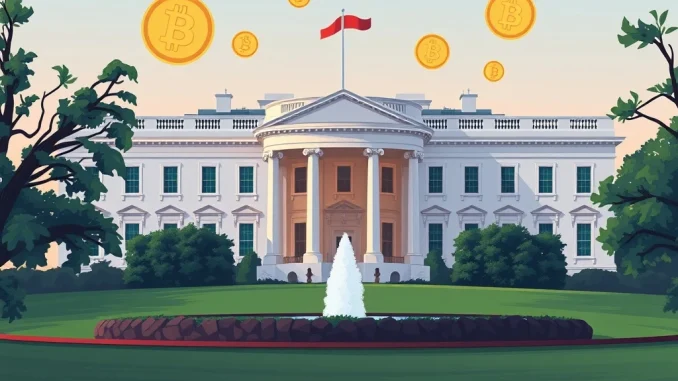
Get ready for a significant moment in the world of digital assets! The cryptocurrency sector is buzzing with anticipation as the White House prepares to unveil a landmark crypto report. This isn’t just another document; it’s poised to reshape the future of digital assets in the U.S. and potentially global markets. For anyone following Bitcoin News, this July 30th release is a date to mark on your calendar, promising clarity on everything from regulatory frameworks to the intriguing concept of a national Bitcoin reserve.
What Does the White House Crypto Report Entail?
The upcoming Crypto Report, meticulously crafted by the President’s Digital Asset Working Group, is generating widespread speculation. Slated for release on July 30, it’s expected to lay out strategic frameworks for regulating crypto assets, explore the feasibility of a U.S. strategic Bitcoin Reserve, and propose measures designed to balance innovation with crucial investor protection. Bo Hines, the White House’s crypto advisor, has called this document a critical step in mapping policy pathways for crypto’s future, emphasizing its role in shaping regulatory structures and market stability.
- Regulatory Frameworks: The report aims to provide much-needed clarity on how digital assets will be governed, potentially updating existing frameworks to address the market’s rapid evolution.
- Strategic Bitcoin Reserve: A fascinating aspect under consideration is the potential for the U.S. to formalize custodial strategies for Bitcoin, drawing parallels to the Strategic Petroleum Reserve. This could significantly impact Bitcoin’s perceived status as a strategic asset.
Innovation vs. Investor Protection: The document is expected to navigate the delicate balance between fostering technological innovation in the crypto space and safeguarding investors from potential risks.
Why a National Bitcoin Reserve?
The idea of a national Bitcoin Reserve has captured significant attention. Industry observers are keenly watching to see if the administration might formalize custodial strategies, similar to how the U.S. manages its strategic oil reserves. Such a move would not only acknowledge Bitcoin’s growing importance but could also influence its long-term stability and adoption. Imagine the implications for global finance if a major world power formalized a digital asset reserve!
Alongside this, the report is expected to analyze risks and opportunities associated with crypto assets, including recommendations for updating existing regulatory frameworks to address evolving market dynamics. This clarity could bolster investor confidence, mitigating uncertainties that have historically hindered mainstream adoption of cryptocurrencies.
Navigating the Evolving Crypto Regulation Landscape
The White House Crypto initiatives are already influencing market behavior. A parallel directive allowing private equity firms to offer crypto investment options within 401(k) retirement accounts has been interpreted as a strategic move to integrate digital assets into traditional financial systems. This development, coupled with ongoing debates over the Federal Reserve’s independence, has intensified scrutiny of how Washington balances innovation and oversight.
While proponents argue such measures enhance retail access to crypto, critics warn they could stifle innovation or create regulatory asymmetries. The balancing act is complex, with policymakers aiming to foster growth while preventing systemic risks.
Market Reactions and Investor Sentiment
Market reactions reflect this duality. For instance, SharpLink Gaming, a firm converting to an Ethereum-focused treasury, recently purchased 10,000 ETH, signaling institutional confidence in the asset’s long-term value despite regulatory ambiguity. This highlights a growing trend of corporate adoption even as the regulatory landscape takes shape.
Conversely, industry analyses highlight growing unease over the White House’s stance on tariffs and Fed-related rhetoric, which have amplified volatility in both traditional and crypto markets. Julius Baer’s July 18 podcast noted that such policy shifts keep investors “on their toes,” underscoring the interplay between macroeconomic signals and crypto price action. This constant interplay means that the upcoming Crypto Report will be scrutinized not just for its content, but for its potential to stabilize or further disrupt market sentiment.
Challenges Ahead: What Hurdles Remain for Crypto Regulation?
Analysts emphasize that the report’s release could serve as a litmus test for the administration’s crypto strategy. By addressing investor protection and social stability alongside market growth, the document may pave the way for institutional adoption. However, implementation hurdles remain, including potential pushback from lawmakers and industry stakeholders wary of overregulation.
The White House’s simultaneous clashes with the Federal Reserve—where President Trump has advocated for rate cuts—add further complexity, creating a policy landscape where short-term economic goals may conflict with long-term structural reforms. This dynamic environment makes effective Crypto Regulation a significant challenge.
Global Impact: Setting a Precedent for Digital Assets?
The global financial sector is closely watching, as U.S. regulatory decisions often set precedents for international markets. With inflation easing but trade tensions persisting, the report’s guidance on crypto governance could influence cross-border capital flows and investor behavior. For now, the market remains in a holding pattern, navigating a web of policy signals and speculative activity as the July 30 deadline approaches.
A New Era for Digital Assets?
The impending release of the White House’s digital asset report on July 30 marks a pivotal moment for the cryptocurrency industry. By addressing critical aspects like a potential U.S. Bitcoin reserve and comprehensive regulatory frameworks, the report aims to bring clarity and stability to a rapidly evolving market. While challenges and debates persist, this initiative signals a serious commitment from the administration to integrate digital assets into the broader financial system. The coming weeks will undoubtedly shape the future trajectory of Bitcoin and the wider crypto ecosystem, offering both opportunities and hurdles for investors and innovators alike.
Frequently Asked Questions (FAQs)
Q1: What is the main purpose of the White House’s upcoming crypto report?
The report aims to outline strategic frameworks for regulating digital assets, explore the feasibility of a U.S. strategic Bitcoin reserve, and propose measures to balance innovation with investor protection within the cryptocurrency sector.
Q2: When is the White House crypto report expected to be released?
The report, crafted by the President’s Digital Asset Working Group, is anticipated to be published on July 30.
Q3: What is a U.S. strategic Bitcoin reserve, and why is it significant?
A U.S. strategic Bitcoin reserve would involve the government formalizing custodial strategies for Bitcoin, similar to the Strategic Petroleum Reserve. This could signify Bitcoin’s recognition as a strategic asset and potentially impact its long-term stability and adoption on a national and global scale.
Q4: How might this report affect investor confidence in cryptocurrencies?
The report is expected to provide much-needed regulatory clarity, which could bolster investor confidence by mitigating uncertainties that have historically hindered mainstream adoption of digital assets. However, market reactions will depend on the specifics of the proposed regulations.
Q5: Are there any challenges anticipated with the implementation of the report’s recommendations?
Yes, potential challenges include pushback from lawmakers and industry stakeholders who may be wary of overregulation. Additionally, the White House’s ongoing clashes with the Federal Reserve over economic policy could add complexity to the implementation process.