The cryptocurrency market recently experienced a jarring reminder of its inherent volatility as Bitcoin, the leading digital asset, plunged below $115,000. This sharp decline on July 15, 2025, triggered a cascade of long liquidations, wiping out hundreds of millions of dollars and forcing over 213,000 traders to exit the market. If you’re invested in crypto or just curious about its unpredictable nature, understanding these events is crucial for navigating the digital asset landscape.
Understanding the Bitcoin Dip and Mass Liquidations
The recent Bitcoin dip was more than just a minor price correction; it was a significant liquidation event that reverberated across the entire crypto ecosystem. On July 15, Bitcoin faced a staggering $140.06 million in long liquidations within a 24-hour window. This figure alone accounted for a substantial portion of the total $731.93 million in trader losses recorded during the same period.
- Mass Exodus: Over 213,729 traders were forced out of their positions as leveraged bets went south, marking one of the largest single-day liquidation events in recent memory.
- Altcoin Impact: The ripple effect wasn’t confined to Bitcoin. Ethereum saw $104.76 million in liquidations, while Dogecoin experienced $26 million, with both assets dropping significantly (over 1.3% and 7% respectively).
- Partial Recovery: Despite the abrupt sell-off, Bitcoin staged a partial recovery, rebounding to $117,200 by late July. However, this still reflected a 1.2% decline over the preceding 24 hours, highlighting ongoing pressure.
What is Crypto Liquidation and Why Does it Matter?
Crypto liquidations occur when a trader’s leveraged position is forcibly closed by an exchange. This happens because the trader’s initial margin falls below a required maintenance level, usually due to adverse price movements. In simpler terms, if you borrow money to amplify your crypto gains (leverage), and the market moves against you, the exchange will automatically sell your assets to cover the borrowed funds, preventing further losses for the exchange.
This process is critical because:
- Amplified Volatility: Liquidations can create a cascading effect, where one liquidation triggers others, leading to rapid price drops.
- Risk Management: They serve as an automatic risk management tool for exchanges but can be devastating for individual traders.
- Market Sentiment: Large-scale liquidations often signal excessive leverage in the market, leading to fear and uncertainty.
Factors Behind the Crypto Market Volatility
Several factors contributed to the recent surge in crypto market volatility. While the immediate trigger was a price drop, underlying dynamics amplified its impact:
- Galaxy Digital’s Sale: The rebound in Bitcoin’s price coincided with Galaxy Digital’s sale of 80,000 Bitcoin. Analysts described this as one of the largest national Bitcoin transfers, raising concerns about its potential influence on market stability.
- Algorithmic Trading: The increasing prevalence of algorithmic trading strategies can exacerbate price swings. These automated systems react instantly to market conditions, amplifying both upward and downward movements.
- Institutional Activity: Moves by institutional players, such as BlackRock’s ETF-related activities, also add complexity. While these can bring liquidity, they can also contribute to large, sudden shifts in price as big players adjust their positions.
- Excessive Leverage: The core issue remains the rapid unwinding of speculative bets. When too many traders are highly leveraged, even a modest market correction can trigger a massive liquidation event.
Market Sentiment: Fear, Greed, and the Future of Bitcoin Price
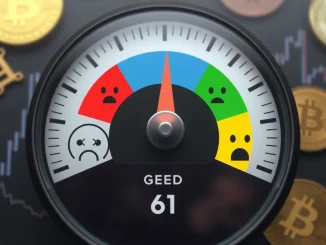
Despite the abrupt sell-off, market sentiment, though rattled, remained cautiously optimistic. The Crypto Fear & Greed Index, a barometer of market emotions, reached 70 points on July 15. This level is typically associated with bullish sentiment, suggesting that many investors viewed the downturn as a short-term correction rather than a sustained bearish trend.
However, this optimism contrasted with broader fragility in leveraged trading strategies. CoinGlass data revealed that long liquidations totaled $585.86 million by July 25, reflecting ongoing pressure on bullish positions despite Bitcoin’s return to $117,000. This suggests a disconnect between the overall market sentiment and the underlying risks associated with leveraged positions.
The episode highlighted the challenges of navigating a market where leverage and algorithmic strategies create both opportunities and vulnerabilities. Observers remain divided on whether this correction will serve as a turning point for the Bitcoin price or merely a temporary fluctuation in its long-term trajectory. For now, vigilance and a cautious approach to leveraged trading remain paramount.
Actionable Insights for Traders and Investors
Navigating periods of high volatility like the recent Bitcoin dip requires a strategic approach. Here are some actionable insights:
- Understand Leverage Risks: If you use leverage, be acutely aware of liquidation prices and manage your risk exposure carefully. Consider using lower leverage ratios, especially during uncertain market conditions.
- Diversify Your Portfolio: Don’t put all your eggs in one basket. Diversifying across different cryptocurrencies and even traditional assets can help mitigate risks during market downturns.
- Set Stop-Loss Orders: Implement stop-loss orders to automatically close your positions if the price drops to a predetermined level, limiting potential losses.
- Monitor On-Chain Data: Keep an eye on metrics like liquidation data, funding rates, and exchange inflows/outflows. These can provide early warnings of potential market shifts.
- Avoid Emotional Decisions: The Fear & Greed Index is a useful tool, but ultimately, emotional trading often leads to poor decisions. Stick to your trading plan and risk management strategy.
- Long-Term vs. Short-Term: Differentiate between short-term market fluctuations and long-term trends. A healthy long-term outlook often requires weathering short-term storms.
The recent events serve as a potent reminder that while cryptocurrencies offer immense opportunities, they also come with significant risks, particularly for those engaging in leveraged trading. Staying informed, managing risk, and avoiding impulsive decisions are key to thriving in this dynamic market.
Conclusion: A Wake-Up Call for the Crypto Market
The July 2025 Bitcoin dip and the subsequent mass liquidations underscore the inherent volatility and interconnectedness of the cryptocurrency markets. While the immediate aftermath saw a partial recovery and a surprisingly resilient Fear & Greed Index, the event laid bare the vulnerabilities introduced by excessive leverage and complex algorithmic trading strategies. This period serves as a crucial learning experience for both seasoned traders and new entrants, emphasizing the importance of robust risk management, a deep understanding of market mechanics, and a cautious approach to speculative bets. As the crypto market continues to evolve, adaptability and informed decision-making will be paramount for navigating its unpredictable tides.
Frequently Asked Questions (FAQs)
Q1: What caused the recent Bitcoin price dip?
The recent Bitcoin price dip was primarily triggered by a cascade of long liquidations, where leveraged trading positions were forcibly closed due to price declines. Factors like a large sale of Bitcoin by Galaxy Digital, algorithmic trading, and institutional activity (e.g., BlackRock’s ETF moves) likely amplified the volatility.
Q2: How many traders were affected by the liquidations?
Over 213,729 traders exited the market during the liquidation event on July 15, 2025, as their leveraged positions were wiped out. This contributed to over $731 million in total trader losses across various cryptocurrencies.
Q3: What is ‘long liquidation’ in cryptocurrency trading?
A long liquidation occurs when a trader who has bet on a price increase (a ‘long’ position) has their position automatically closed by an exchange because the market price has dropped significantly, causing their margin to fall below the required level. This prevents further losses for the exchange but means the trader loses their collateral.
Q4: Did Ethereum and Dogecoin also experience significant declines?
Yes, Ethereum and Dogecoin were also significantly impacted. Ethereum faced $104.76 million in liquidations, and Dogecoin saw $26 million in liquidations, with both assets experiencing notable price drops.
Q5: What does the Crypto Fear & Greed Index reaching 70 points indicate during a dip?
The Crypto Fear & Greed Index reaching 70 points (which indicates ‘Greed’) during a market dip suggests that despite the price drop and liquidations, many investors viewed the downturn as a temporary correction rather than a prolonged bearish trend. This indicates underlying optimism or a belief in a quick rebound among some market participants.
Q6: What lessons can traders learn from this Bitcoin dip?
Traders can learn several crucial lessons, including the importance of managing leverage carefully, setting stop-loss orders, diversifying portfolios, avoiding emotional trading decisions, and staying informed about market fundamentals and on-chain data to better navigate periods of high crypto market volatility.