In the fast-evolving world of cryptocurrency, efficiency and user experience are paramount. For anyone involved with the Bitcoin network, particularly those exploring its expanding capabilities beyond just a store of value, recent news from UniSat Wallet marks a pivotal moment. The introduction of a single-step transfer feature for Bitcoin BRC-20 assets is set to transform how users interact with fungible tokens on the blockchain. This isn’t just a minor tweak; it’s a significant leap forward in making Bitcoin a more versatile and accessible platform for decentralized applications and digital assets.
The Evolution of BRC-20 Protocol: A Game Changer
The BRC-20 protocol, built on a modified version of the innovative Ordinals model, has been a fascinating development within the Bitcoin ecosystem. It allows for the creation of fungible tokens directly on Bitcoin’s blockchain, mimicking the functionality seen on networks like Ethereum. However, early iterations of BRC-20 transfers presented a unique challenge: a cumbersome two-step process that often deterred new users and added unnecessary complexity to transactions.
Previously, sending BRC-20 tokens involved two distinct steps:
- Step 1: Inscribing the ‘TRANSFER’ Function: Users first had to create an inscription specifying the amount of tokens they wished to transfer. This inscription would then reside on the Bitcoin blockchain.
- Step 2: Sending the Inscription: Only after the ‘TRANSFER’ inscription was confirmed could the user then send that specific inscription to the target address. This process was akin to preparing a digital ‘voucher’ and then sending the voucher itself.
While functional, this method introduced delays, increased potential for user error, and added to the overall transaction cost. It was clear that for BRC-20 to truly flourish and compete with established token standards, a more streamlined approach was essential.
UniSat Wallet‘s Breakthrough: Simplifying Bitcoin Asset Transfers
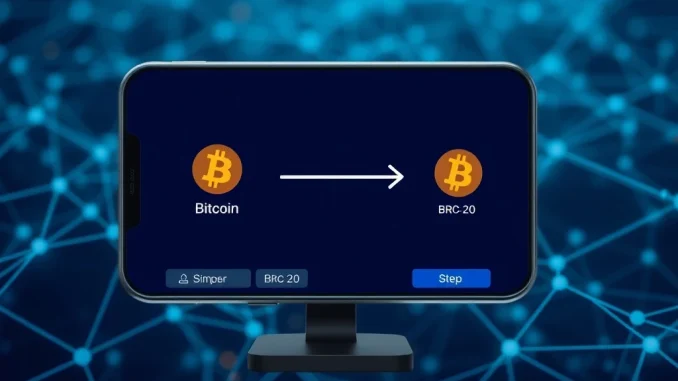
Enter UniSat Wallet, a key player in the BRC-20 ecosystem, which has just rolled out a monumental update. Activated at Bitcoin block height 930930 (around 2 AM UTC on July 29), this upgrade introduces a revolutionary single-step transfer feature. This means users can now directly send TRANSFER inscriptions to target addresses, bypassing the previous two-step hurdle entirely. Imagine sending an email directly to its recipient, rather than first writing it on a digital note, and then sending the note.
This innovation addresses a core usability challenge that has long plagued BRC-20 tokens. The immediate benefits are clear:
- Enhanced Efficiency: Transactions are faster, requiring fewer confirmations and less waiting time.
- Improved User Experience: The process is significantly simpler, making BRC-20 tokens more accessible to a broader audience, including those new to crypto.
- Reduced Complexity: Fewer steps mean less room for error and a smoother overall flow.
- Cost Optimization: While direct fee reductions might vary, a streamlined process generally leads to more efficient use of block space and potentially lower overall costs.
This update aligns perfectly with UniSat Wallet’s broader vision to build robust infrastructure for Bitcoin’s burgeoning programmable asset ecosystem. By enabling direct TRANSFER inscriptions, the protocol simplifies individualized transactions, a critical factor in fostering interoperability and scalability, making Bitcoin a more dynamic financial infrastructure.
Impact on Adoption and Liquidity: The Power of the BRC-20 Upgrade
The BRC-20 upgrade is not just a technical improvement; it’s a strategic move designed to boost the liquidity and adoption of BRC-20 tokens. Tokens like SATS, a popular BRC-20 asset, are expected to see increased market activity post-upgrade. Why?
When an asset becomes easier to buy, sell, and transfer, its appeal grows. Lowering the barrier to entry for new users means more participants, which in turn leads to higher trading volumes and deeper liquidity pools. This creates a more robust and attractive market for BRC-20 assets, making them more viable for various applications, from decentralized finance (DeFi) to NFTs.
Furthermore, the upgrade emphasizes backward compatibility with existing tokens, ensuring a smooth transition for current holders while incorporating improvements like enhanced security protocols. This thoughtful approach minimizes disruption and fosters confidence in the evolving BRC-20 standard.
The Role of the Ordinals Protocol in Bitcoin’s Evolution
It’s crucial to understand that the advancements in BRC-20 are fundamentally rooted in the Ordinals protocol. Ordinals introduced a groundbreaking way to inscribe data onto individual satoshis (the smallest unit of Bitcoin), effectively turning them into unique digital artifacts or NFTs. BRC-20 took this concept a step further, leveraging Ordinals to create fungible tokens by standardizing how token data is inscribed and transferred.
The single-step transfer feature is a testament to the flexibility and extensibility of the Ordinals foundation. It demonstrates that Bitcoin, traditionally seen primarily as a store of value, can indeed evolve into a platform for programmable money. This shift opens doors for a wide array of applications, including cross-chain transfers, decentralized exchanges (DEXs), and complex financial instruments, all built directly on the most secure and decentralized blockchain in existence.
While technical improvements are substantial, challenges remain. Scalability constraints, inherent to Bitcoin’s design, and ongoing regulatory uncertainties will continue to be factors. However, the determination of projects like UniSat Wallet to innovate within these parameters highlights Bitcoin’s immense potential to adapt and grow as a dynamic financial infrastructure. Historical precedents suggest that significant protocol upgrades often trigger spikes in on-chain activity, and this update could similarly boost trading volumes and network participation, further cementing Bitcoin’s place at the forefront of the digital economy.
Looking Ahead: What Does This Mean for Bitcoin’s Future?
This upgrade from UniSat Wallet is more than just a technical fix; it’s a statement about the future direction of Bitcoin. It underscores the growing role of wallet providers and infrastructure developers in shaping Bitcoin’s utility beyond its traditional role. Platforms like UniSat are prioritizing user-centric innovations, reflecting broader trends in decentralized finance (DeFi) where usability and accessibility are key drivers of growth. This shift could accelerate Bitcoin’s transition into a platform for programmable money, supporting applications such as cross-chain transfers and decentralized exchanges.
The success of this upgrade, however, hinges on broader adoption by developers and users, as well as educational efforts to ensure the community fully embraces BRC-20 as a standardized solution for tokenization. As the Bitcoin ecosystem continues to mature, we can expect to see more such innovations that push the boundaries of what’s possible on the world’s leading blockchain.
In conclusion, UniSat Wallet’s single-step transfer feature for BRC-20 assets marks a significant milestone in Bitcoin’s journey toward becoming a more versatile and user-friendly blockchain for programmable money. By simplifying Bitcoin asset transfers and enhancing the overall user experience, this upgrade paves the way for increased adoption, liquidity, and innovation within the BRC-20 ecosystem, solidifying Bitcoin’s role as a foundational layer for the future of decentralized finance.
Frequently Asked Questions (FAQs)
1. What is the BRC-20 protocol?
The BRC-20 protocol is an experimental token standard that allows for the creation and transfer of fungible tokens on the Bitcoin blockchain, leveraging the Ordinals protocol to inscribe data onto individual satoshis. It enables functionalities similar to ERC-20 tokens on Ethereum, but native to Bitcoin.
2. How does the new single-step transfer feature work?
Previously, BRC-20 transfers required two separate transactions: one to inscribe the ‘TRANSFER’ command and another to send that inscription. The new single-step feature, introduced by UniSat Wallet, combines these actions, allowing users to directly send ‘TRANSFER’ inscriptions to the target address in one streamlined transaction, significantly simplifying the process.
3. What are the main benefits of this UniSat Wallet upgrade?
The primary benefits include enhanced transaction efficiency, a vastly improved user experience, reduced complexity for asset transfers, and potential cost optimization. These improvements are expected to boost the liquidity and adoption of BRC-20 tokens like SATS.
4. How does this upgrade impact the Ordinals protocol?
The upgrade is built upon the foundation of the Ordinals protocol. By streamlining BRC-20 transfers, it further demonstrates the flexibility and utility of Ordinals for creating and managing various types of digital assets on Bitcoin, pushing the boundaries of what’s possible with Bitcoin inscriptions.
5. Will this make Bitcoin more competitive with Ethereum for DeFi?
While Bitcoin and Ethereum serve different primary purposes, this upgrade certainly moves Bitcoin closer to becoming a more viable platform for programmable money and decentralized applications. By improving the usability of its token standard, it enhances Bitcoin’s competitiveness in the broader decentralized finance (DeFi) landscape, though scalability remains a long-term challenge.
6. What are BRC-20 tokens like SATS?
SATS is a popular BRC-20 token that represents one hundred millionth of a Bitcoin (a satoshi). As a BRC-20 token, it is fungible and can be traded and transferred on the Bitcoin blockchain, with its value often reflecting sentiment and activity within the BRC-20 ecosystem.