In the fast-paced world of cryptocurrency, staying vigilant is paramount. Recently, an urgent BingX Warning has sent ripples through the community, highlighting a critical issue that affects us all: the proliferation of fraudulent digital assets. This alert specifically targets a fake token currently listed on CoinMarketCap, falsely associating itself with the BingX brand. It’s a stark reminder that even as the crypto market matures, bad actors are constantly devising new ways to exploit unsuspecting investors.
The Urgent BingX Warning Unveiled: What You Need to Know
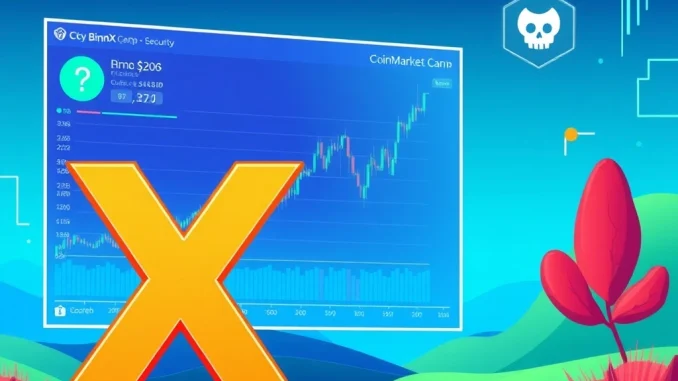
BingX, a prominent cryptocurrency exchange, has taken a proactive stance by issuing a public and unequivocal warning about a deceptive token. This token, despite appearing on CoinMarketCap, is neither authorized nor endorsed by BingX. The exchange has strongly advised its users to exercise extreme caution and conduct thorough due diligence before interacting with any unverified digital assets. CoinMarketCap itself has acknowledged the potential risk by labeling the token as “not verified,” underscoring the challenges of maintaining accurate information in a dynamic market.
BingX’s commitment to user protection is clear. They’ve urged traders to:
- Cross-reference token authenticity across multiple reputable platforms.
- Avoid interactions with dubious projects, regardless of their apparent listing status.
- Rely on official BingX resources for accurate information and guidance.
This incident underscores the growing difficulties in ensuring market integrity, especially when fraudulent actors exploit the absence of standardized verification protocols across the industry.
Decoding the Threat: Understanding the Fraudulent Crypto Token
The core of this issue lies with a fraudulent crypto token that leverages the reputation of a legitimate brand like BingX to deceive investors. These tokens are designed to mimic genuine projects, often using similar names, logos, or even falsely claiming partnerships to lure unsuspecting individuals. The goal is simple: to part investors from their hard-earned capital through misrepresentation and false promises.
What makes these fraudulent tokens particularly dangerous?
- False Association: They exploit trust by pretending to be affiliated with reputable entities.
- Lack of Transparency: Often, they lack clear contract addresses, verifiable development teams, or legitimate whitepapers.
- Exploitation of Trends: Bad actors frequently capitalize on trending themes or popular narratives to make their fake projects seem more appealing.
The presence of such tokens highlights a broader vulnerability within the crypto ecosystem, where the ease of token creation can sometimes be misused for illicit purposes.
The Role of CoinMarketCap Listing and Verification Challenges
Platforms like CoinMarketCap play a crucial role in the cryptocurrency ecosystem, serving as primary data aggregators for millions of users. They provide essential market data, prices, and project information. However, their function in listing and verifying assets remains a contentious point, as demonstrated by this incident involving a problematic CoinMarketCap Listing.
While CoinMarketCap has flagged the suspicious listing, the incident brings to light broader concerns about the reliability of third-party data aggregators. Historically, CoinMarketCap has faced criticism for hosting dubious tokens, which underscores the need for more robust verification mechanisms. Balancing accessibility for new projects with stringent security measures is a continuous challenge for such platforms. BingX’s warning aligns with industry-wide calls for stricter oversight to prevent unverified tokens from gaining unwarranted credibility.
Navigating the Treacherous Waters of Crypto Scams
The BingX warning is not an isolated event but a symptom of a larger problem: the pervasive nature of crypto scams. As the digital asset space continues to grow, so do the sophisticated methods employed by fraudsters. These scams can take many forms, from phishing attempts and fake giveaways to rug pulls and fraudulent token listings like the one BingX has identified.
Why are crypto scams so prevalent?
- Decentralized Nature: The lack of a central authority can make it harder to track and prosecute fraudsters.
- Rapid Innovation: New technologies and platforms emerge quickly, creating new avenues for exploitation.
- Information Asymmetry: Many new investors lack the knowledge to distinguish legitimate projects from scams.
- Lack of Uniform Standards: The absence of consistent verification standards across platforms creates loopholes for bad actors.
These vulnerabilities are particularly acute in low-cap altcoin markets, where smaller projects may receive less scrutiny.
Fortifying Your Digital Asset Security: Actionable Steps for Traders
In light of these challenges, enhancing your digital asset security is more critical than ever. BingX’s advisory serves as a timely reminder that even authoritative platforms can be exploited, necessitating heightened vigilance from users. Empowering yourself with knowledge and adopting proactive measures are your best defenses against fraudulent schemes.
Here are actionable insights to mitigate risks:
- Conduct Thorough Due Diligence: Never invest based solely on a single source. Research projects extensively, checking their whitepaper, team, technology, and community.
- Scrutinize Token Metadata: Always verify contract addresses against official project websites or reputable explorers. Fraudulent tokens often have slightly altered contract addresses.
- Verify Team Transparency: Legitimate projects usually have publicly identifiable teams with verifiable professional backgrounds. Be wary of anonymous teams unless the project’s decentralized nature justifies it.
- Cross-Reference Information: Use multiple reputable sources—official exchange announcements, project websites, trusted news outlets—to confirm the legitimacy of a token or project.
- Report Suspicious Activities: BingX encourages users to report any suspicious listings or activities through their dedicated channels. This fosters collaboration and helps protect the wider community.
- Stay Educated: Continuously learn about new scam tactics and best practices for crypto security.
Conclusion: A Collective Responsibility for a Safer Crypto Future
The recent BingX Warning regarding a fraudulent token on CoinMarketCap is a powerful testament to the ongoing battle for market integrity in the cryptocurrency space. It highlights that safeguarding digital asset markets is a collective responsibility, involving exchanges, data providers, and individual users alike. As the sector continues to mature, the interplay between these entities becomes increasingly critical.
By emphasizing education, transparency, and proactive measures, the industry can address systemic vulnerabilities while empowering traders to navigate the space with confidence. Remember, your vigilance is the first line of defense against scams. Stay informed, stay cautious, and prioritize your digital asset security above all else.
Frequently Asked Questions (FAQs)
1. What is the recent BingX warning about?
The recent BingX warning is about a fraudulent token falsely associated with the BingX brand that is currently listed on CoinMarketCap. BingX has stated that this token is neither authorized nor endorsed by them and urges users to exercise extreme caution.
2. How can I identify a fraudulent crypto token?
To identify a fraudulent crypto token, always cross-reference its authenticity across multiple reputable platforms. Scrutinize its contract address against official project websites, verify the transparency and background of the development team, and be wary of projects promising unrealistic returns or lacking clear documentation.
3. What is CoinMarketCap’s role in this incident?
CoinMarketCap is a data aggregator that listed the fraudulent token. While they have flagged it as “not verified,” the incident highlights the ongoing challenge for such platforms in balancing accessibility with robust verification measures to prevent the listing of dubious assets.
4. What are some common crypto scams to watch out for?
Common crypto scams include phishing attacks (fake websites/emails), fake giveaways or airdrops, rug pulls (developers abandoning a project after raising funds), pump-and-dump schemes, and fraudulent token listings that mimic legitimate projects or exchanges.
5. How can I improve my digital asset security?
Improve your digital asset security by always conducting thorough due diligence before investing, using strong, unique passwords and two-factor authentication (2FA), being skeptical of unsolicited offers, and reporting any suspicious activities to the relevant platforms or authorities.
6. What should I do if I encounter a suspicious crypto listing?
If you encounter a suspicious crypto listing, do not interact with it. Instead, report it to the platform where it’s listed (e.g., CoinMarketCap) and to the legitimate entity it’s falsely associated with (e.g., BingX). Share the information with trusted community members to raise awareness, but avoid spreading unverified claims.