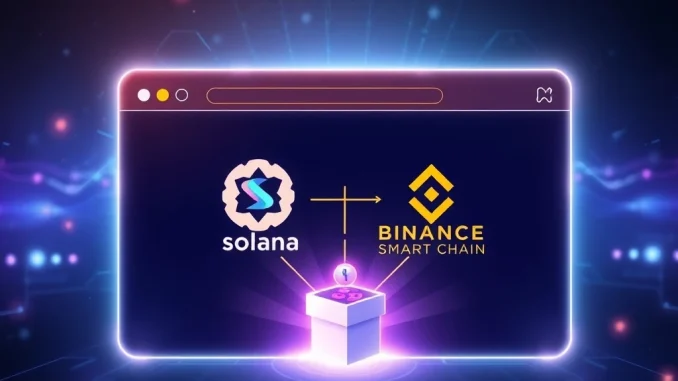
In a move set to reshape how users interact with decentralized finance, the latest Solana News highlights a significant development from Binance. The world’s largest cryptocurrency exchange has just launched the beta version of its web-based wallet, initially supporting the Binance Smart Chain (BSC) and Solana blockchains. This isn’t just another wallet; it’s a strategic integration designed to streamline your crypto experience, making it easier than ever to dive into DeFi protocols and manage your digital assets directly from the Binance homepage.
Introducing the Binance Web Wallet: A Game Changer for Accessibility?
Gone are the days of needing separate downloadable applications to access your favorite DeFi platforms. Binance’s new Binance Web Wallet beta changes the game by embedding these functionalities directly into its main platform. Accessible via the “Trade” tab, this integration aims to simplify the user journey, allowing seamless trading and interaction with various token projects like Meme Rush and Binance Alpha. Imagine having real-time analytics and customizable portfolio tracking right where you conduct your primary trades – that’s the promise of this new wallet.
This initiative represents a clear push towards greater user convenience and a reduction in the barriers to entry for newcomers to the DeFi space. By integrating wallet functionality directly into the exchange interface, Binance is making a bold statement about its commitment to enhancing user experience and solidifying its position as a comprehensive crypto hub.
Why the Focus on BSC DeFi and Solana?
Binance’s strategic decision to prioritize Binance Smart Chain (BSC) and Solana for the initial beta launch is no accident. Both blockchains boast robust developer ecosystems and vibrant user communities, making them prime candidates for enhanced accessibility. BSC, known for its lower transaction fees and faster processing times compared to Ethereum, has become a hotbed for various DeFi applications and dApps. Similarly, Solana has emerged as a high-throughput blockchain, attracting projects and users with its impressive speed and scalability.
- BSC DeFi Ecosystem: The integration significantly boosts access to the extensive BSC DeFi landscape, allowing users to interact with decentralized exchanges, lending protocols, and yield farming opportunities without ever leaving the Binance environment. This could lead to increased participation and liquidity within the BSC ecosystem.
- Solana’s Growing Prominence: Solana’s rapid growth in NFTs, gaming, and high-performance DeFi applications makes it a crucial target for Binance. The web wallet streamlines interactions with Solana-based projects, potentially drawing more users to its fast-paced network.
This focused approach reflects Binance’s strategy to cater to the most active and rapidly expanding sectors of the blockchain world, acknowledging the significant DeFi and staking activities prevalent on these chains.
Unpacking the Generous Crypto Airdrop and Engagement Initiatives
To further drive adoption and reward its community, Binance isn’t just launching a wallet; it’s coupling it with enticing engagement initiatives. One of the most talked-about aspects is the significant Crypto Airdrop campaign, collaborating with BitlayerLabs to distribute a staggering 5.7 million BTR tokens. This kind of incentive is a powerful tool for attracting new users and encouraging existing ones to explore the new wallet’s functionalities.
Beyond the BTR airdrop, the wallet also supports participation in programs like the Binance Alpha Points, where users can earn rewards by meeting specific trading criteria. These campaigns are designed to foster active engagement and demonstrate the tangible benefits of using the new web wallet. Historically, such incentive-driven campaigns have proven effective in boosting user numbers and trading volumes, setting a positive precedent for the Binance Web Wallet’s future.
Paving the Way for Blockchain Interoperability
A key theme underlying this launch is Binance’s commitment to enhancing Blockchain Interoperability. The web wallet’s design emphasizes streamlining cross-chain interactions, directly addressing the growing demand for seamless asset transfers and protocol interactions between different blockchain networks. The integration of WalletConnect Token (WCT) on the Solana network further underscores this commitment, signaling Binance’s dedication to open standards that facilitate communication across diverse blockchain ecosystems.
Why is interoperability so crucial? In a fragmented blockchain landscape, users often face hurdles when trying to move assets or interact with applications across different chains. Binance’s web wallet aims to mitigate these challenges, making the multi-chain experience smoother and more intuitive. This move aligns with broader industry trends focusing on breaking down silos between blockchains, ultimately benefiting the end-user with greater flexibility and access.
What Does This Mean for Solana News and the Broader Market?
The launch of the Binance Web Wallet is undoubtedly big Solana News, given the direct support and integration. While analysts note that web-based wallets have historically contributed to higher trading volumes, significant price shifts typically require more substantial catalysts, such as new asset introductions or large-scale incentive campaigns beyond the initial beta. Coincu’s research team, for instance, observes that similar wallet launches haven’t always triggered notable changes in Total Value Locked (TVL), suggesting the tool’s primary value lies in accessibility rather than immediate liquidity spikes.
However, the strategic timing of this beta aligns with broader industry trends, including increasing Ethereum spot ETF inflows and growing institutional interest in digital assets. By reducing barriers to entry for DeFi and token projects, Binance is positioning itself to capture growth in on-chain activity. This could subtly yet significantly impact market share by making the Binance ecosystem more sticky and comprehensive for users interested in decentralized applications.
Navigating the Challenges and Looking Ahead
Despite the promising features, the Binance Web Wallet faces its share of challenges. The cryptocurrency wallet space is highly competitive, with numerous multi-chain wallets already offering robust features and established user bases. Security risks also remain a persistent concern in the crypto world, and user trust will be paramount for widespread adoption. While Binance has a strong security track record, continuous vigilance and transparent communication will be key.
The beta phase highlights Binance’s phased rollout strategy, prioritizing blockchains with strong developer and user ecosystems. While Ethereum and Bitcoin are not included at launch, their eventual integration seems probable as the wallet matures. Without detailed metrics on user adoption provided in the initial sources, the platform’s effectiveness in truly driving market share gains remains speculative. However, the move clearly underscores Binance’s current user-centric approach, aiming to strengthen its position amid evolving market demands.
A New Era of Accessibility
Binance’s beta launch of its web-based wallet marks a significant step towards a more integrated and user-friendly cryptocurrency ecosystem. By bringing DeFi interactions and asset management directly to its homepage, supporting prominent chains like BSC and Solana, and sweetening the deal with a substantial Crypto Airdrop, Binance is not just innovating; it’s democratizing access. While the long-term impact on metrics like TVL and market share will unfold over time, the immediate benefit to users seeking seamless BSC DeFi and Solana experiences is undeniable. This strategic move solidifies Binance’s role not just as an exchange, but as a comprehensive gateway to the expansive world of blockchain, pushing the boundaries of Blockchain Interoperability and setting a new standard for crypto accessibility.
Frequently Asked Questions (FAQs)
1. What is the Binance Web Wallet beta?
The Binance Web Wallet beta is a new web-based cryptocurrency wallet integrated directly into the Binance exchange platform. It allows users to interact with decentralized finance (DeFi) protocols and manage assets on supported blockchains like Binance Smart Chain (BSC) and Solana without needing separate downloadable applications.
2. Which blockchains are supported by the Binance Web Wallet at launch?
At its initial beta launch, the Binance Web Wallet supports the Binance Smart Chain (BSC) and Solana blockchains. While Ethereum and Bitcoin are not included yet, future expansions are anticipated.
3. How can I participate in the 5.7 million BTR Crypto Airdrop?
Binance has launched the Binance Wallet Booster Campaign in collaboration with BitlayerLabs to distribute 5.7 million BTR tokens. Users can also participate in programs like the Binance Alpha Points by meeting specific trading criteria within the Binance ecosystem. Details on eligibility and participation are usually found on Binance’s official announcements.
4. How does the new wallet enhance DeFi accessibility?
By integrating directly into the Binance homepage, the web wallet eliminates the need for users to navigate to external dApp browsers or manage multiple applications. This streamlines the process of interacting with DeFi protocols on BSC and Solana, making it more convenient and accessible for a wider range of users.
5. What does this launch mean for Blockchain Interoperability?
The Binance Web Wallet’s design emphasizes streamlined cross-chain interactions, and its integration of WalletConnect Token (WCT) on Solana signals a commitment to interoperability standards. This aims to reduce barriers for users interacting with assets and protocols across different blockchain networks, contributing to a more connected crypto ecosystem.