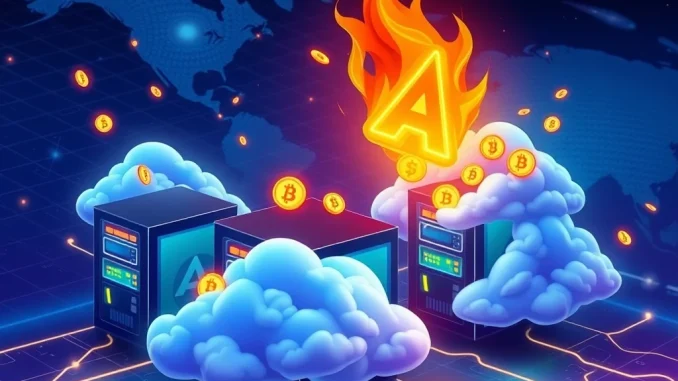
A significant shift is underway within the Akash Network ecosystem. A groundbreaking governance proposal aims to redefine its tokenomics. This initiative introduces a Burn Mint Equilibrium (BME) model. This model proposes burning a portion of AKT token network fees. This move seeks to adjust the circulating supply. Ultimately, it aims to enhance the value proposition for Akash Network users and holders. The proposal directly links network activity to token supply management. This mechanism reflects a strategic evolution.
Understanding the Burn Mint Equilibrium (BME) Model
The Burn Mint Equilibrium (BME) model represents a crucial update. It aims to create a more dynamic and responsive token economy. Essentially, the system will burn an amount of AKT token equivalent to the U.S. dollar value of fees. These fees are paid by users on the Akash Network. This process removes tokens from circulation. Therefore, it directly impacts the overall supply. The goal is to achieve a balance. This balance prevents excessive inflation or deflation. Furthermore, it aligns token value with actual network utility. This innovative approach fosters long-term sustainability. It ensures that growth in network usage directly benefits token holders.
- Fee-driven burn: A portion of network fees is used to buy and burn AKT.
- Value alignment: Links token value to real-world usage of the decentralized cloud.
- Supply adjustment: Aims for a stable, predictable token supply.
The Mechanics of AKT Token Burning
Specifically, the proposed system operates transparently. When users pay for decentralized cloud services, they use AKT. A calculated amount of this AKT is then earmarked for burning. The burning process is permanent. It removes the tokens from the total supply forever. This creates a deflationary pressure on the AKT token. Consequently, this could potentially increase scarcity. The exact percentage of fees to be burned will be determined by community governance. This ensures democratic oversight. This mechanism represents a direct response to market dynamics. It proactively manages token supply.
Strengthening Akash Network’s Decentralized Cloud Vision
The Akash Network positions itself as “the world’s first decentralized cloud.” This BME proposal directly supports that vision. By linking AKT token value to network utility, it strengthens the platform’s economic model. Providers and tenants alike benefit from a more stable and valuable token. This stability encourages greater participation. It also attracts more users to the decentralized cloud. A robust token economy is vital for any decentralized project. Therefore, this proposal signifies a mature approach. It ensures the network’s long-term viability. Furthermore, it reinforces trust in the ecosystem.
Benefits for AKT Token Holders and Network Users
This strategic move offers several potential advantages. Firstly, it introduces a deflationary aspect to the AKT token. This could lead to increased demand. Secondly, it incentivizes network usage. More usage means more fees. More fees mean more burning. Consequently, this creates a positive feedback loop. Thirdly, it enhances the overall economic health of the Akash Network. This makes it a more attractive platform for developers and enterprises. Ultimately, holders could see their tokens appreciate. This appreciation comes from reduced supply.
- Increased scarcity: Potentially higher demand for AKT token.
- Stronger incentives: Encourages more network participation.
- Improved value: Enhances long-term economic health.
- Enhanced security: A more valuable token can bolster network security.
Broader Implications for Crypto Fees and Tokenomics
The discussion around crypto fees and tokenomics is constant. Many projects explore various mechanisms to manage their token supply. The Burn Mint Equilibrium (BME) model from Akash Network stands out. It offers a sophisticated approach. Unlike simple burns, BME aims for a dynamic balance. It adjusts based on actual network activity. This method avoids arbitrary supply reductions. Instead, it bases adjustments on real-world demand for decentralized cloud services. This could set a new standard. Other blockchain projects might consider similar models. It demonstrates a commitment to sustainable tokenomics.
The Governance Process and Community Input
Crucially, this proposal is not a unilateral decision. It originates from a governance process. The Akash Network community plays a vital role. Token holders vote on such significant changes. This democratic approach ensures broad consensus. It also reflects the decentralized ethos of the project. Community feedback shapes the final implementation details. Therefore, the outcome truly represents collective will. This strengthens the network’s governance structure. It also fosters a sense of ownership among participants.
Conclusion: A New Era for Akash Network
The proposed Burn Mint Equilibrium (BME) model marks a pivotal moment for Akash Network. By strategically burning AKT token fees, the project aims to cultivate a more robust economy. This directly supports its ambitious decentralized cloud vision. This forward-thinking approach to crypto fees and tokenomics could set a precedent. It demonstrates a clear commitment to long-term value creation. The community’s decision on this proposal will undoubtedly shape the future trajectory of Akash. This development warrants close attention from all crypto enthusiasts.
Frequently Asked Questions (FAQs)
1. What is the Akash Network’s Burn Mint Equilibrium (BME) model?
The BME model is a proposed mechanism by Akash Network to dynamically manage its AKT token supply. It involves burning a portion of AKT token fees paid by users, equivalent to their U.S. dollar value, to create a balanced and sustainable token economy.
2. How will the BME model affect the AKT token supply?
By burning AKT token fees, the BME model introduces a deflationary pressure on the token’s circulating supply. This removal of tokens from circulation could lead to increased scarcity, potentially enhancing the AKT token‘s value over time.
3. Why is Akash Network proposing this change for its decentralized cloud?
Akash Network aims to strengthen its decentralized cloud platform’s economic model. The BME proposal aligns the AKT token‘s value with actual network utility, incentivizing usage and creating a more robust, stable, and attractive ecosystem for providers and tenants.
4. Who decides on the implementation of the BME model?
The implementation of the BME model is subject to a governance proposal. Akash Network‘s decentralized community, comprising AKT token holders, will vote on the proposal. This ensures that the decision reflects the collective will of the network participants.
5. What are the potential benefits of the BME model for AKT holders?
For AKT token holders, the BME model could lead to several benefits. These include increased scarcity of their tokens, stronger economic incentives for network participation, and an improved long-term value proposition due to a healthier and more demand-driven token economy.