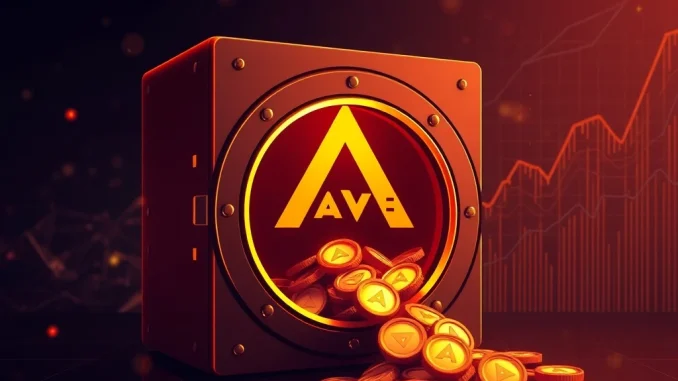
The decentralized finance (DeFi) landscape constantly evolves. Major players like Aave consistently seek innovative ways to strengthen their ecosystems. Recently, the Aave DAO has initiated a pivotal discussion. This involves a proposal to execute an annual AAVE token buyback program. This strategic move aims to repurchase $50 million worth of AAVE tokens each year. The primary goal is to significantly improve its overall tokenomics, as Cointag reported.
Understanding the Aave DAO Proposal for AAVE Token Buyback
The core of this discussion revolves around enhancing the value proposition of the AAVE token. Furthermore, it seeks to fortify the Aave protocol’s long-term sustainability. The Aave DAO, which is the decentralized autonomous organization governing the Aave protocol, acts as the primary decision-making body. Community members submit proposals. Then, AAVE token holders vote on these initiatives. This process ensures decentralized control and community consensus.
The current proposal outlines a substantial commitment. It suggests allocating $50 million annually from the DAO’s treasury. This capital would fund the repurchase of AAVE tokens directly from the open market. Therefore, this action intends to reduce the circulating supply. Ultimately, it aims to create scarcity and potentially increase the token’s value. Proponents argue this strategy aligns with established practices in traditional finance, where companies buy back shares to benefit shareholders.
Boosting Tokenomics: The Rationale Behind Crypto Buybacks
Tokenomics refers to the economics of a cryptocurrency token. It encompasses all factors influencing a token’s value and utility. These factors include supply, demand, distribution, and incentive mechanisms. Effective tokenomics are crucial for any successful blockchain project. They ensure sustainable growth and a healthy ecosystem. Consequently, the Aave DAO is focusing on this aspect.
A crypto buyback program involves a project repurchasing its native tokens. It typically uses funds from its treasury or protocol revenue. The repurchased tokens can be:
- Burned (permanently removed from circulation)
- Staked by the DAO
- Distributed to liquidity providers or community initiatives
In Aave’s case, the precise mechanism for the repurchased tokens remains part of the ongoing discussion. However, the overarching goal is clear: to create a deflationary pressure. This pressure would make the AAVE token more attractive to holders. Hence, this action could lead to increased demand.
Impact on AAVE Token Value and Scarcity
A direct consequence of a successful buyback program is a reduction in the total circulating supply of the AAVE token. When supply decreases while demand remains constant or increases, the price typically rises. This fundamental economic principle applies to cryptocurrencies as well. Moreover, a consistent annual buyback signal confidence from the DAO. It indicates a long-term commitment to token value. This can attract new investors. It can also incentivize existing holders to retain their tokens.
The $50 million figure represents a significant investment. Over time, it could substantially impact the AAVE token’s market dynamics. For instance, if the market capitalization of AAVE remains relatively stable, reducing the supply could lead to a higher price per token. Furthermore, increased scarcity often fosters a stronger sense of ownership among token holders. They become more engaged in the protocol’s governance.
Strengthening DeFi Governance and Community Engagement
The AAVE token serves a dual purpose within the Aave ecosystem. First, it acts as a utility token. Second, it functions as a governance token. Holders of AAVE can propose, vote, and implement changes to the protocol. This includes everything from interest rates to new asset listings. Therefore, strengthening the DeFi governance mechanism is paramount for Aave’s continued success. A buyback program can reinforce this.
A buyback can align the interests of the DAO with those of its token holders. When the DAO actively works to increase the value of the token, it directly benefits the community. This fosters greater trust and participation in governance. Engaged community members are more likely to contribute to the protocol’s development. They also help in its long-term strategic direction. This positive feedback loop is vital for any decentralized project. It ensures robust and responsive governance.
The Mechanics of an AAVE Buyback Program
Implementing an AAVE buyback program requires careful planning. The DAO must define several key aspects. These include the source of funds. They also need to determine the execution strategy. The Aave DAO treasury typically accumulates funds from protocol fees. These fees come from lending and borrowing activities. The proposal suggests utilizing these accumulated reserves. This approach ensures sustainability without relying on external funding.
Execution could involve various methods. For example, the DAO might use automated market makers (AMMs) or over-the-counter (OTC) desks. Transparency in execution is crucial. The community will demand clear reporting on:
- When buybacks occur
- The volume of tokens repurchased
- The average price paid
This level of transparency builds confidence. It also prevents market manipulation. Furthermore, the DAO must decide the fate of the repurchased tokens. Whether they are burned, locked, or redistributed will significantly impact the overall tokenomics. Each option carries different implications for supply and demand dynamics.
Broader Implications for the DeFi Ecosystem
The Aave DAO’s discussion holds broader implications for the entire DeFi ecosystem. Aave stands as a leading lending protocol. Its actions often set precedents for other projects. If this $50 million annual buyback proves successful, other major DeFi protocols might consider similar strategies. This could lead to a wider trend of protocols actively managing their token supplies. They would aim to enhance token value and foster stronger community alignment.
This trend could signal a maturing DeFi market. Protocols would move beyond simple token issuance. Instead, they would adopt more sophisticated financial strategies. These strategies focus on long-term value creation. Such developments are essential for the mainstream adoption of decentralized finance. They demonstrate a commitment to investor returns and sustainable growth. This strategic shift could redefine how DeFi projects approach their economic models.
Potential Challenges and Considerations
While the benefits of a buyback program are clear, the Aave DAO must also consider potential challenges. First, the opportunity cost of allocating $50 million annually needs careful evaluation. These funds could potentially be used for other initiatives. For example, they could fund grants, research and development, or new protocol features. The DAO must weigh these alternatives. It needs to ensure the buyback offers the best return on investment for the community.
Second, market impact requires consideration. Large buy orders could temporarily inflate the AAVE token price. This might lead to short-term volatility. The execution strategy must minimize this risk. Furthermore, the long-term effectiveness depends on sustained market demand. If the underlying utility of Aave declines, even buybacks might not prevent price depreciation. Therefore, continuous innovation remains vital. Community consensus also plays a crucial role. The proposal must garner sufficient support from AAVE holders to pass. This democratic process ensures broad acceptance.
The Aave DAO’s discussion about an annual $50 million AAVE token buyback represents a significant development. It underscores a proactive approach to strengthening its tokenomics and enhancing long-term value. This strategic initiative could yield substantial benefits for the Aave ecosystem. It promises increased scarcity and improved DeFi governance. While considerations remain, the proposal reflects a commitment to the protocol’s future. It also aims to align the interests of all stakeholders. The outcome of this discussion will undoubtedly shape Aave’s trajectory. It will also offer valuable insights for the broader DeFi space.
Frequently Asked Questions (FAQs)
Q1: What is the Aave DAO?
The Aave DAO is the decentralized autonomous organization that governs the Aave protocol. AAVE token holders collectively make decisions on protocol upgrades, parameters, and treasury management through voting.
Q2: Why is the Aave DAO considering an AAVE token buyback?
The Aave DAO is considering a buyback to improve its tokenomics. This aims to create scarcity for the AAVE token, potentially increasing its value, and aligning incentives for token holders. This move strengthens the protocol’s long-term sustainability.
Q3: How much AAVE is proposed for the annual buyback?
The current proposal suggests an annual buyback of $50 million worth of AAVE tokens. This significant amount would be repurchased from the open market.
Q4: What are the potential benefits of an AAVE token buyback?
Potential benefits include increased token scarcity, potential price appreciation for AAVE, enhanced investor confidence, and stronger alignment between the DAO’s actions and token holder interests. It also reinforces DeFi governance.
Q5: Where would the funds for the buyback come from?
The funds for the annual AAVE token buyback would typically come from the Aave DAO’s treasury. This treasury accumulates revenue from the fees generated by the Aave protocol’s lending and borrowing activities.
Q6: How does this proposal relate to DeFi governance?
This proposal is a direct outcome of DeFi governance. AAVE token holders vote on such initiatives. A successful buyback can also strengthen governance by making token holders more invested in the protocol’s success and participation.