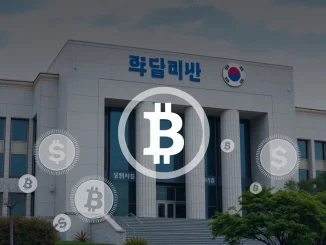
The future of **stablecoin adoption** in South Korea is taking a clearer shape. Lee Eok-won, Chairman of the Financial Services Commission (FSC), has outlined essential considerations. His statements provide crucial insights for market participants and regulators alike. This framework aims to integrate stablecoins safely into the financial system. It signals a proactive approach from one of Asia’s leading economies.
Understanding the Need for Clear Stablecoin Regulation
Stablecoins represent a unique class of cryptocurrencies. Their value links to a stable asset, like the US dollar or gold. This peg minimizes price volatility. Consequently, stablecoins serve as a vital bridge between traditional finance and the crypto world. They facilitate fast, low-cost transactions. They also offer a stable store of value within volatile digital markets. However, their growing popularity also presents regulatory challenges. Governments worldwide are grappling with how to oversee these digital assets. Robust **stablecoin regulation** becomes paramount. It protects consumers and maintains financial stability.
South Korea has consistently shown interest in digital asset innovation. Yet, it prioritizes investor protection. The FSC’s recent pronouncements reflect this dual focus. Chairman Lee Eok-won spoke at a National Assembly review on November 10. He highlighted three core principles for stablecoin integration. These principles will guide the nation’s approach. They will shape the landscape for digital currencies in Korea.
FSC Stablecoin Criteria: Global Consistency Takes Center Stage
Chairman Lee’s first criterion emphasizes **global consistency**. He stated that any stablecoin framework must align with international standards. This ensures South Korea keeps pace with global trends. Digital assets operate across borders. Therefore, a harmonized regulatory approach is vital. Divergent rules could create arbitrage opportunities. They might also lead to regulatory gaps. This could pose risks to the global financial system. Many international bodies are working on common standards. These include the Financial Stability Board (FSB) and the G20. They aim to establish robust guidelines for stablecoins. South Korea intends to integrate these global best practices. This approach will foster cross-border collaboration. It will also enhance market integrity.
Adopting international norms offers several benefits. Firstly, it reduces regulatory fragmentation. This simplifies operations for global businesses. Secondly, it strengthens consumer confidence. Investors feel safer when rules are consistent. Finally, it prevents regulatory arbitrage. Firms cannot easily move to jurisdictions with weaker oversight. The FSC recognizes these advantages. Therefore, it prioritizes a globally consistent framework. This ensures South Korea remains a competitive and secure market for digital assets.
Fostering Innovation: Enabling Diverse Uses for South Korea Stablecoin
The second key consideration is innovation. Chairman Lee stressed the need to foster innovation. This means enabling stablecoins for various purposes. Stablecoins can revolutionize many sectors. They offer efficient payment solutions. They can also facilitate cross-border remittances. Furthermore, they support decentralized finance (DeFi) applications. A forward-looking regulatory environment encourages such development. It allows new business models to emerge. This boosts economic growth and technological advancement. **South Korea stablecoin** policies must strike a balance. They need to manage risks without stifling progress. The FSC aims to create a sandbox-like environment. This could allow controlled experimentation. It would enable new stablecoin use cases to flourish safely.
Innovation extends beyond mere payments. Stablecoins can power smart contracts. They can also facilitate tokenized assets. Imagine real estate or commodities represented by stable digital tokens. This could unlock new liquidity and efficiency. Therefore, regulators must understand these possibilities. They must design rules that are adaptable. These rules should support future innovations. The FSC’s commitment to fostering innovation is a positive sign. It indicates a willingness to embrace the potential of digital assets. This approach positions South Korea as a leader in the digital economy.
Ensuring Stability: Safeguarding the Financial System and Digital Asset Policy
Finally, Chairman Lee underscored stability. Stablecoins have the potential to significantly impact the financial system. Therefore, they must be introduced with sufficient safeguards. This is arguably the most critical criterion. The collapse of certain stablecoins in the past highlighted these risks. Such events can cause widespread market instability. They can erode public trust in the entire crypto ecosystem. The FSC seeks to prevent similar occurrences. It will likely implement strict reserve requirements. These requirements ensure stablecoins are fully backed. Regular audits will verify these reserves. This protects users from unexpected de-pegging events.
Furthermore, robust anti-money laundering (AML) and counter-terrorism financing (CTF) measures are essential. These safeguard against illicit activities. They enhance the integrity of the financial system. The FSC’s approach aligns with a comprehensive **digital asset policy**. This policy aims to integrate digital assets responsibly. It seeks to harness their benefits while mitigating systemic risks. The focus on stability ensures that stablecoin integration strengthens, rather than jeopardizes, the financial infrastructure. This careful introduction of stablecoins is crucial for their long-term viability and public acceptance.
The Road Ahead for Stablecoin Adoption in South Korea
South Korea’s stance on stablecoins is evolving. The FSC’s three criteria provide a clear roadmap. They indicate a measured, thoughtful approach. This balance between innovation and safety is key. It will likely foster a robust and secure stablecoin market. Businesses operating in South Korea must prepare for these changes. Compliance with global standards will be paramount. Developing innovative, yet secure, stablecoin applications will be essential. The regulatory landscape for **stablecoin adoption** continues to develop globally. South Korea’s active participation is a significant step. It helps shape the future of digital finance.
The implementation of these criteria will involve detailed legislative work. This will likely include amendments to existing financial laws. It may also introduce new regulations specifically for stablecoins. Stakeholder engagement will be crucial. The FSC will likely consult with industry experts. They will also engage with financial institutions. This collaborative effort ensures a comprehensive framework. It aims for effective and practical implementation. Ultimately, these measures will position South Korea as a leader in responsible digital asset innovation.
Conclusion
Chairman Lee Eok-won’s articulation of the three **FSC stablecoin criteria** offers clarity. Global consistency, innovation, and stability form the bedrock of South Korea’s future stablecoin framework. This strategic vision aims to integrate stablecoins safely. It fosters a dynamic digital economy. The move signals South Korea’s commitment. It supports both technological advancement and financial security. As the global digital asset landscape evolves, these principles will guide the nation. They ensure a responsible and prosperous path for stablecoins.
Frequently Asked Questions (FAQs)
Q1: What are the three key criteria for stablecoin adoption outlined by South Korea’s FSC Chairman?
A1: The three key criteria are global consistency, fostering innovation, and ensuring financial stability. These principles guide the safe and effective integration of stablecoins into South Korea’s financial system.
Q2: Why is ‘global consistency’ important for stablecoin regulation?
A2: Global consistency is vital because stablecoins operate across international borders. Aligning with international standards helps prevent regulatory fragmentation, reduces arbitrage risks, strengthens consumer confidence, and promotes cross-border cooperation in digital asset markets.
Q3: How does the FSC plan to foster ‘innovation’ regarding stablecoins?
A3: The FSC aims to enable stablecoins for various purposes, such as efficient payments, cross-border remittances, and decentralized finance (DeFi) applications. This involves creating a regulatory environment that supports new business models and technological advancements without compromising safety.
Q4: What measures will be taken to ensure ‘stability’ in the stablecoin framework?
A4: To ensure stability, the FSC will likely implement robust safeguards. These include strict reserve requirements for stablecoins, regular audits to verify backing, and strong anti-money laundering (AML) and counter-terrorism financing (CTF) measures to protect the financial system from illicit activities.
Q5: What does this mean for the future of digital asset policy in South Korea?
A5: This indicates a comprehensive and proactive **digital asset policy** in South Korea. The nation aims to responsibly integrate digital assets, harnessing their benefits while mitigating systemic risks. It positions South Korea as a leader in balanced digital finance innovation.
Q6: Will these criteria impact existing cryptocurrency exchanges in South Korea?
A6: Yes, these criteria will likely influence how existing cryptocurrency exchanges and other financial institutions handle stablecoins. They will need to ensure compliance with the new regulations, especially concerning global consistency, innovation support, and stability safeguards, once implemented.