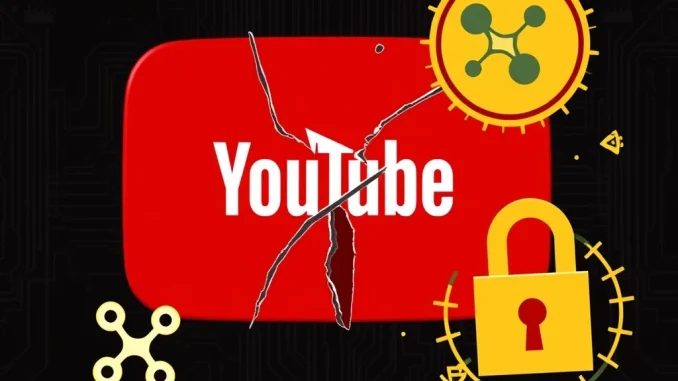
The digital landscape often presents both incredible opportunities and significant risks. A recent incident underscores this reality starkly. In a concerning development, the YouTube channel of prominent South Korean personality Han Hye-jin, boasting approximately 860,000 subscribers, was abruptly deleted. This drastic action followed a severe security breach: an **XRP hack** that transformed her popular platform into a conduit for a fraudulent cryptocurrency live stream. This event serves as a stark reminder for anyone engaged with digital content or assets about the ever-present dangers of online fraud, particularly the insidious nature of a **YouTube crypto scam**.
The Unfolding of the YouTube Crypto Scam
The incident began early on July 10, according to reports from Newsis. Han Hye-jin’s channel, typically known for its engaging content, unexpectedly started broadcasting a video. The title, “Ripple (XRP): CEO Brad Garlinghouse’s Growth Forecast,” immediately raised red flags for many. Furthermore, the live stream had its comments section disabled, a common tactic used by scammers to prevent users from warning others about the fraud. The stream purported to feature Ripple’s CEO, Brad Garlinghouse, sharing crucial insights. Specifically, it promised details on the crypto market and future strategies for XRP. This deceptive presentation aimed to lure unsuspecting viewers into a fraudulent scheme. The channel’s swift removal from the platform highlights YouTube’s response to such severe policy violations. Consequently, the incident left many subscribers confused and concerned.
How the XRP Hack Unfolded
The method behind this specific **XRP hack** mirrors numerous other cryptocurrency scams. Typically, attackers gain unauthorized access to a high-profile YouTube channel. They often achieve this through phishing attempts, malware, or exploiting weak security practices. Once inside, they swiftly change the channel’s branding and broadcast live streams promoting fake crypto giveaways or investment opportunities. These streams usually feature manipulated footage of legitimate crypto figures, such as the Ripple CEO. The scammers often direct viewers to malicious websites or instruct them to send cryptocurrency to a specific wallet address. They promise significant returns or double the amount sent. However, these promises are entirely false. The victim’s funds are simply stolen. The immediate deletion of Han Hye-jin’s channel underscores the severity of the compromise. It also shows YouTube’s commitment to protecting its user base from such elaborate schemes. This kind of attack targets trust, using a familiar face to lend credibility to a scam.
Understanding the Modus Operandi of Cryptocurrency Security Breaches
Cybercriminals constantly evolve their methods to exploit vulnerabilities. In the realm of digital assets, **cryptocurrency security** is paramount. These scams frequently leverage social engineering tactics. They exploit human psychology, often creating a sense of urgency or promising unrealistic returns. For instance, many fraudulent streams claim to be official announcements from legitimate companies. They might feature pre-recorded interviews or speeches from industry leaders. However, these are carefully edited to fit the scammer’s narrative. The goal is always to trick viewers into sending their crypto to a scammer’s wallet. The Han Hye-jin incident exemplifies how attackers target channels with large subscriber bases. Such channels offer a wide reach for their deceptive broadcasts. Therefore, content creators must implement robust security measures. This includes two-factor authentication and regular password changes. Furthermore, they should remain vigilant against suspicious emails and links. Users, on the other hand, must exercise extreme caution. Always verify information from official sources before acting on any crypto-related offer.
The Lure of Fake Ripple CEO Scam Streams
The choice of XRP and Ripple’s CEO, Brad Garlinghouse, for this particular scam is no accident. XRP is a well-known cryptocurrency. Ripple, the company behind it, has a significant presence in the financial technology sector. Consequently, there is widespread public interest in their developments and leadership. Scammers capitalize on this inherent interest. They create fake streams that appear to offer exclusive insights or lucrative investment opportunities. A typical **Ripple CEO scam** stream might promise a limited-time giveaway. It instructs viewers to send a small amount of XRP to a designated address. In return, they falsely claim, the sender will receive a much larger amount back. These schemes prey on people’s desire for quick profits. They exploit trust in established figures like Garlinghouse. However, legitimate companies and their CEOs will never ask for cryptocurrency directly through unofficial live streams or unsolicited messages. Always remember this crucial fact. Always verify any such offer through official company channels before engaging.
Impact on Han Hye-jin XRP Community and Beyond
The deletion of Han Hye-jin’s channel has had a significant impact. Firstly, her 860,000 subscribers lost access to her content. This represents a substantial blow to her digital presence and community. Secondly, the incident undoubtedly caused distress among her followers. Some might have even fallen victim to the **XRP hack** and lost funds. This situation highlights a broader issue affecting the entire creator economy. Content creators, regardless of their niche, are increasingly targets for cybercriminals. Their platforms offer a ready-made audience for scams. Consequently, YouTube and other platforms face ongoing challenges. They must enhance their security protocols and response mechanisms. This incident also casts a shadow over the crypto community. It reinforces negative perceptions about digital assets, even though the underlying technology was not at fault. It was a security breach of a user account, not the XRP ledger itself. Ultimately, such events erode trust. They make it harder for legitimate projects to gain mainstream acceptance. The incident serves as a cautionary tale for all involved in the digital space.
Protecting Yourself from Digital Asset Fraud
Protecting your digital assets and online presence requires proactive measures. Firstly, enable two-factor authentication (2FA) on all your accounts. This adds an extra layer of security beyond just a password. Secondly, use strong, unique passwords for every platform. Password managers can help with this. Thirdly, be extremely wary of unsolicited messages or emails. Phishing attempts often look legitimate but aim to steal your credentials. Fourthly, never send cryptocurrency to an address promising to send back more. This is a classic scam. Fifthly, always verify information directly from official sources. Check company websites or verified social media accounts. Do not rely solely on YouTube live streams or random links. Sixthly, report any suspicious activity immediately to the platform. Your vigilance contributes to a safer online environment for everyone. Understanding these simple steps can significantly enhance your **cryptocurrency security** posture.
The deletion of Han Hye-jin’s channel following an **XRP hack** is a stark reminder of digital vulnerabilities. This **YouTube crypto scam** underscores the constant threat posed by cybercriminals. It also highlights the importance of robust **cryptocurrency security** measures. For content creators and their audiences, vigilance and education are crucial. By understanding the tactics used in a **Ripple CEO scam** and similar frauds, users can better protect themselves. Ultimately, fostering a secure online environment requires collective effort. Platforms, creators, and users must all play their part in combating digital asset fraud. Stay informed, stay cautious, and protect your digital footprint.
Frequently Asked Questions (FAQs)
Q1: What exactly happened to Han Hye-jin’s YouTube channel?
Han Hye-jin’s YouTube channel was compromised and used to broadcast a fraudulent live stream. This stream falsely promoted an XRP giveaway or investment opportunity, purportedly featuring Ripple CEO Brad Garlinghouse. Subsequently, YouTube deleted the channel due to the violation of its policies against scams.
Q2: How do these YouTube crypto scams typically work?
Scammers gain unauthorized access to popular YouTube channels, often through phishing. They then broadcast fake live streams promoting fraudulent cryptocurrency giveaways, promising to send back more crypto than what viewers send them. They often impersonate legitimate figures like CEOs and disable comments to prevent warnings.
Q3: Was the XRP network itself hacked in this incident?
No, the XRP network or blockchain was not hacked. The incident involved the compromise of a YouTube account, which was then used to promote a scam related to XRP. The underlying cryptocurrency technology remained secure.
Q4: How can I protect myself from a YouTube crypto scam?
Always enable two-factor authentication (2FA) on all your accounts. Use strong, unique passwords. Be suspicious of any live stream or message promising to multiply your cryptocurrency. Never send crypto to an address based on such promises. Always verify information from official company websites or verified social media channels, not unofficial streams.
Q5: What should I do if I encounter a suspicious cryptocurrency live stream on YouTube?
If you encounter a suspicious live stream, do not interact with it or send any funds. Report the channel and video to YouTube immediately. Spreading awareness among your network can also help prevent others from falling victim to such scams.