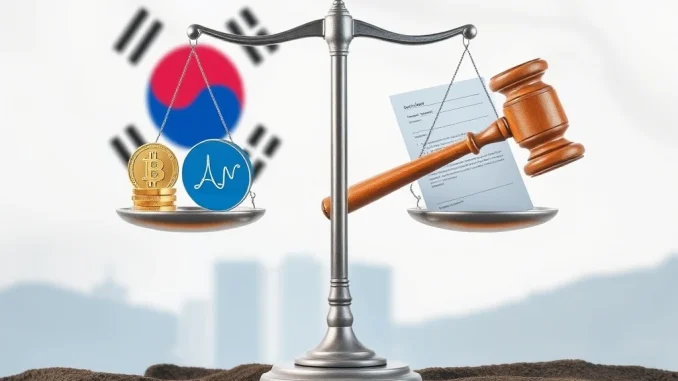
The landscape of cryptocurrency regulation is complex and ever-evolving. Specifically, South Korean crypto seizures are highlighting a significant challenge for justice systems worldwide. Prosecutors in South Korea are grappling with an urgent dilemma: how to manage seized virtual assets whose value fluctuates wildly. This situation severely impedes their ability to provide timely restitution to victims, creating a complex legal and financial quagmire.
The Volatile Nature of Seized Crypto Assets
Prosecutors in South Korea are encountering substantial difficulties. They cannot sell seized virtual assets until a court verdict is finalized. This procedural delay creates immense problems, especially given the inherent crypto asset volatility. Data from the Supreme Prosecutors’ Office, revealed through the National Assembly, underscores this issue. The value of criminal proceeds held in crypto has shown massive swings. These fluctuations occur between the time of seizure and the final court ruling.
For instance, some cases have seen values change by millions of won. In extreme instances, the shift reached as much as 10 billion won. This dramatic instability directly affects the potential recovery for victims. Moreover, some seized assets faced delisting from domestic exchanges during this prolonged period. This renders them virtually unsellable. Therefore, the very nature of digital currencies presents a unique challenge for legal frameworks.
South Korean Crypto Seizures: A Growing Challenge
The problem of South Korean crypto seizures is not isolated. As digital assets become more integrated into financial systems, they also attract illicit activities. Law enforcement agencies globally are increasingly seizing cryptocurrencies as criminal proceeds. However, managing these assets effectively remains a significant hurdle. The lack of clear, adaptable regulations often complicates the process. This situation creates a backlog and uncertainty for all parties involved.
The current framework in South Korea, for example, treats virtual assets similarly to traditional assets. Yet, cryptocurrencies possess distinct characteristics. Their rapid price changes and decentralization require specialized handling. Consequently, this mismatch between asset type and legal procedure causes substantial delays and financial losses. Victims often wait indefinitely for compensation that may never materialize at its original value.
The Liquidation Dilemma: Why Prosecutors Cannot Sell
A core issue for South Korean authorities is the current regulatory environment. Prosecutors explain that existing regulations prevent them from liquidating assets. They must wait until a confiscation order is finalized by a court. This mandate applies even when the virtual asset liquidation could prevent further value depreciation. This waiting period can extend for months or even years. During this time, the market value of the seized crypto can plummet significantly. It essentially erodes the potential restitution for victims.
Consider a scenario where 100 Bitcoin are seized. If the price drops by 50% before a court order, the victims effectively lose half their potential recovery. This is a critical flaw in the current system. Traditional assets like real estate or cash do not experience such extreme, rapid fluctuations. Therefore, a different approach is clearly needed for digital currencies. The inability to act swiftly puts both the state and victims at a disadvantage.
Impact on Prosecutors Crypto Restitution Efforts
The challenges in managing seized crypto directly impact prosecutors crypto restitution efforts. Restitution aims to compensate victims for their losses. However, when the value of seized assets declines sharply, the amount available for victims shrinks. This outcome undermines the very purpose of confiscation. It can leave victims feeling re-victimized by the system designed to help them. Furthermore, the administrative burden on prosecutors increases.
They must constantly monitor the fluctuating value of these assets. They also face public scrutiny over perceived inefficiencies. The emotional and financial toll on victims is immense. They often rely on these funds for recovery from fraud or other crimes. Consequently, the delay in liquidation and the subsequent devaluation mean justice is not fully served. This situation highlights an urgent need for reform in how these cases are handled.
Urgent Calls for New Crypto Seizure Rules
The ongoing difficulties have led to widespread calls for establishing separate disposal standards. These standards would specifically address criminal proceeds involving highly volatile virtual assets. Experts argue that new crypto seizure rules are essential. These rules would allow for the timely sale of digital assets. Such a mechanism could prevent significant value erosion. It would also ensure more equitable restitution for victims.
Proposed solutions often include:
- **Expedited Sale Orders:** Courts could issue preliminary orders for the sale of highly volatile assets.
- **Specialized Asset Management:** Agencies could be established to manage and liquidate seized crypto.
- **Clear Valuation Guidelines:** Standardized methods for valuing crypto at seizure and liquidation.
- **Blockchain Forensics Integration:** Enhanced tools to track and secure digital assets efficiently.
Implementing such rules would modernize the legal system. It would align it with the realities of the digital economy. This proactive approach would benefit victims and streamline legal processes.
Global Precedents and Future Outlook
South Korea is not alone in facing these issues. Other jurisdictions are also exploring solutions for managing seized digital assets. Countries like the United States have established specialized units. These units handle the seizure, storage, and liquidation of cryptocurrencies. They often employ third-party custodians or use secure government wallets. Learning from these international examples could offer valuable insights for South Korea. The global nature of cryptocurrency demands a harmonized approach.
The future of crypto seizure rules in South Korea likely involves significant legislative changes. These changes will aim to balance due process with asset preservation. The goal is to create a robust framework that protects victims. It must also adapt to the fast-paced world of digital finance. Stakeholders, including legal experts, lawmakers, and crypto industry representatives, must collaborate. Their joint efforts are crucial to developing effective and fair solutions.
In conclusion, the challenge of managing volatile virtual assets seized by prosecutors is pressing. South Korea’s experience highlights the urgent need for updated regulations. By adopting new crypto seizure rules and exploring innovative solutions, the justice system can better serve its citizens. This will ensure that victims receive fair and timely restitution, even in the complex world of digital finance.
Frequently Asked Questions (FAQs)
Q1: Why can’t South Korean prosecutors sell seized crypto immediately?
Current South Korean regulations prevent prosecutors from liquidating seized virtual assets until a court’s confiscation order is finalized. This process can take a significant amount of time.
Q2: How does crypto asset volatility impact restitution for victims?
The extreme crypto asset volatility means the value of seized assets can drop drastically between seizure and final court ruling. This reduces the amount of restitution available to victims, sometimes by millions or even billions of won.
Q3: What are the main difficulties in virtual asset liquidation?
The primary difficulties include the legal inability to sell before a final court order, the rapid and unpredictable price swings of cryptocurrencies, and the risk of assets being delisted from exchanges, making them unsellable.
Q4: What changes are being called for regarding crypto seizure rules?
There are calls for establishing separate disposal standards for highly volatile virtual assets. These new crypto seizure rules would allow for expedited sales, specialized asset management, and clear valuation guidelines to prevent value erosion and ensure timely victim restitution.
Q5: Are other countries facing similar challenges with South Korean crypto seizures?
Yes, many countries are grappling with similar issues concerning the management and liquidation of seized digital assets. Some, like the United States, have developed specialized units and protocols to address these challenges.
Q6: How can prosecutors ensure better crypto restitution for victims?
Improving prosecutors crypto restitution requires legislative reform to allow for quicker liquidation of volatile assets, specialized training for handling digital assets, and potentially collaborating with expert third-party custodians to manage seized funds securely and efficiently.