The cryptocurrency community is buzzing with significant news from Astar. This **decentralized exchange** recently announced a pivotal shift in its **tokenomics** strategy. Astar (ASTER) has unveiled a revised plan for its S3 buyback and airdrop program. This move is part of a broader overhaul aimed at enhancing the ecosystem’s long-term stability. Investors and users alike are watching closely as these changes unfold, impacting the future supply and distribution of the **ASTER token**.
Astar’s Strategic Tokenomics Overhaul
Astar, a prominent decentralized perpetuals exchange, has formally announced updates to its S3 buyback and airdrop initiatives. This announcement came via an official post on X, detailing the specific mechanics of the revised program. The changes represent a strategic effort to refine the platform’s economic model. Consequently, these adjustments aim to create a more robust and sustainable environment for all participants. Understanding these updates is crucial for anyone involved with the Astar ecosystem.
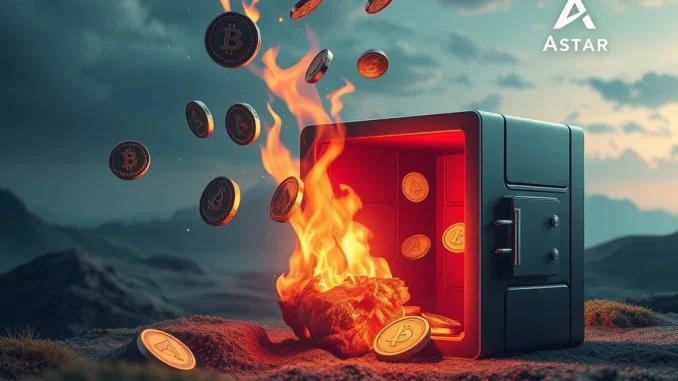
The core of this revised strategy involves a dual approach to the total buyback volume. This volume is funded by fees generated from Astar’s S2 and S3 initiatives. Specifically, 50% of this accumulated buyback volume will be directed to a public address. From there, it will be permanently removed from circulation through a process known as a **token burn**. This action has clear implications for the token’s scarcity and potential value.
The Impact of the Token Burn on ASTER Supply
The decision to implement a substantial **token burn** is a critical component of Astar’s updated **tokenomics**. By burning 50% of the buyback volume, Astar aims to significantly reduce the total supply of its **ASTER token**. A reduced supply, in economic terms, can often lead to increased scarcity. This scarcity, in turn, may contribute to enhanced value proposition over time. The exchange explicitly stated that this measure will bolster the ecosystem’s long-term stability.
Furthermore, this burning mechanism is transparent. The tokens are sent to a publicly verifiable address, ensuring accountability. This transparency builds trust within the community. It also allows anyone to confirm the reduction in circulating supply. Such strategic supply reduction is a common tactic among blockchain projects. It demonstrates a commitment to sustainable growth and responsible asset management. Therefore, this move could signal a positive outlook for the **ASTER token**.
Strategic Crypto Airdrop Initiatives for Holders
The remaining 50% of the buyback volume will not be burned. Instead, it will be moved to a locked airdrop address. This is another key element of Astar’s revised plan. This specific action serves multiple strategic purposes. Firstly, it immediately lowers the circulating supply of the **ASTER token**. This is because the tokens are removed from active trading. Secondly, and perhaps more importantly, it creates a dedicated fund for future **crypto airdrop** distributions.
These potential future airdrops are designed to reward specific segments of the Astar community. Active users and long-term holders are the primary beneficiaries. This incentivizes continued engagement and loyalty to the platform. Consequently, it fosters a stronger, more committed user base. Airdrops can also attract new users, expanding the ecosystem’s reach. This strategic allocation highlights Astar’s focus on community building and rewarding its dedicated supporters.
Enhancing Ecosystem Stability and User Engagement
Astar’s comprehensive tokenomics overhaul seeks to achieve a delicate balance. It aims to reduce token supply while simultaneously rewarding its community. The combination of a **token burn** and a locked **crypto airdrop** pool directly addresses these goals. By decreasing the overall supply, Astar hopes to create a more deflationary model. This can lead to increased confidence among investors. It also signals a commitment to maintaining the token’s value.
Moreover, the prospect of future airdrops serves as a powerful incentive. It encourages users to remain active on the **decentralized exchange** and hold their **ASTER token** for longer periods. This approach can reduce selling pressure. It also promotes a healthier, more stable market environment. Therefore, Astar’s revised plan represents a forward-thinking strategy for sustainable growth and community prosperity.
The Future Outlook for Astar’s Decentralized Exchange
This revised plan marks a significant step for Astar. It showcases their proactive approach to managing their token economy. The blend of supply reduction through burning and demand generation through targeted airdrops is a sophisticated strategy. It aims to secure the long-term viability and attractiveness of the ASTER ecosystem. As a **decentralized exchange**, Astar’s commitment to transparent and beneficial tokenomics is crucial for its reputation and growth.
The community will closely monitor the execution of these plans. Success will depend on consistent implementation and clear communication. Ultimately, these changes could position Astar for sustained growth in the competitive DeFi landscape. This strategic overhaul reflects a maturing understanding of blockchain economics and community incentives. It is a bold move designed to secure a brighter future for the **ASTER token** and its holders.
Frequently Asked Questions (FAQs)
What is the main goal of Astar’s revised tokenomics plan?
The primary goal is to enhance the ecosystem’s long-term stability by reducing the token supply through burning and incentivizing active users and long-term holders via future airdrops.
How much of the buyback volume will be burned?
50% of the total buyback volume, funded by fees from Astar’s S2 and S3 initiatives, will be sent to a public address to be permanently burned.
What happens to the other 50% of the buyback volume?
The remaining 50% will be moved to a locked airdrop address. This action lowers the circulating supply and funds potential future **crypto airdrop** distributions for active users and long-term holders.
Why is Astar implementing a token burn?
Astar is implementing a **token burn** to reduce the total supply of the **ASTER token**. This aims to increase scarcity, potentially enhance value, and contribute to the ecosystem’s long-term stability.
Who will benefit from the future airdrops?
Future airdrops funded by the locked address are designed to reward active users and long-term holders of the **ASTER token**, encouraging continued engagement and loyalty to the **decentralized exchange**.
Where can I find more details about Astar’s tokenomics?
Astar typically publishes official announcements on its social media channels (like X) and its official blog or documentation. These sources provide the most current and detailed information.