The cryptocurrency market constantly evolves. Understanding key metrics helps traders. Specifically, the BTC perpetual futures long/short ratio offers crucial insights. This metric reveals the collective sentiment of futures traders. It shows whether more participants are betting on price increases or decreases. Ultimately, this data provides a snapshot of current market positioning.
Understanding the BTC Perpetual Futures Long/Short Ratio
What exactly is the long/short ratio? This metric represents the proportion of long positions versus short positions. It focuses on perpetual futures contracts. Traders use these contracts to speculate on Bitcoin’s price without an expiry date. A high long ratio suggests bullish sentiment. Conversely, a high short ratio indicates bearish sentiment. Therefore, monitoring this ratio is vital for market participants.
For instance, if 60% of traders hold long positions, the ratio favors longs. If 60% hold short positions, it favors shorts. This simple comparison offers a quick gauge of market direction. Moreover, it reflects the aggregate conviction of traders. Investors often use this data to inform their strategies. It helps them anticipate potential price movements. Understanding these dynamics is essential for navigating the volatile crypto landscape.
Current Bitcoin Market Sentiment: A Daily Snapshot
Recent data provides a clear picture of Bitcoin market sentiment. Over the past 24 hours, the overall long/short ratio for BTC perpetual futures shows a slight leaning. The market stands at 50.52% long and 49.48% short. This indicates a relatively balanced sentiment. There is no overwhelming bullish or bearish bias. However, small differences can still be significant. Traders pay close attention to these subtle shifts.
A near 50/50 split suggests indecision. It could also signal a period of consolidation. Nevertheless, individual exchange data can reveal more specific trends. Each major platform attracts a diverse set of traders. Their combined activity shapes the broader market outlook. Thus, examining data from top platforms offers a more nuanced perspective. This helps to form a complete understanding of market forces.
Analyzing Data from Top Crypto Exchanges
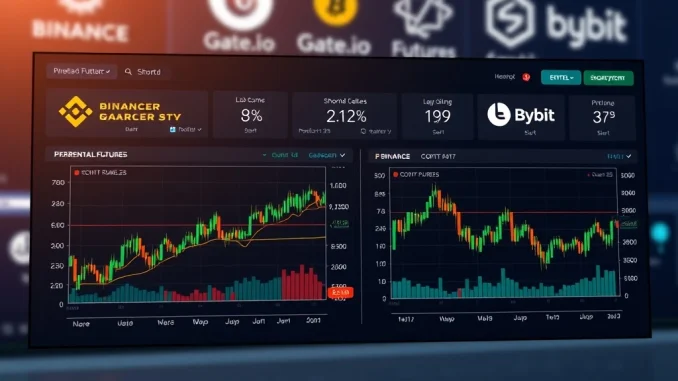
Let’s delve into the specific long/short ratios on the world’s top three crypto exchanges. These platforms are ranked by open interest. Their data provides a robust indicator of market positioning. Each exchange shows slightly different trends. This highlights varied trading behaviors across platforms. Understanding these differences is key for comprehensive analysis.
Binance: A Slight Bearish Edge
On Binance, the long/short ratio is 49.24% long and 50.76% short. This indicates a slight preference for short positions. Binance is the largest exchange by trading volume. Therefore, its ratio carries significant weight. A bearish lean here suggests some traders anticipate a price decline. This could influence overall market perception. Consequently, many traders watch Binance’s data closely.
Gate.io: Similar Bearish Tendencies
Gate.io shows a similar pattern. Its ratio stands at 49.45% long and 50.55% short. This platform also leans slightly bearish. The consistent trend across multiple major exchanges is noteworthy. It reinforces the idea of a cautious market. Traders might be hedging against potential downturns. This collective positioning informs future price expectations. Thus, observing Gate.io’s ratio adds to the overall market narrative.
Bybit: The Strongest Short Position
Bybit displays the most pronounced bearish sentiment among the top three. Its ratio is 48.66% long and 51.34% short. This indicates a stronger inclination towards short positions. Bybit is popular for derivatives trading. Therefore, its traders might be more aggressive in their shorting strategies. This stronger short bias on Bybit could signal higher conviction among its user base regarding a price drop. It offers valuable context for broader market analysis.
Implications of Current Futures Trading Data
The collective futures trading data offers several implications. A relatively balanced overall ratio, with individual exchanges leaning slightly short, suggests caution. Traders are not overly optimistic. They are not extremely pessimistic either. This balance might lead to continued sideways price action. It could also precede a more significant move once a clear bias emerges. Market participants often look for strong deviations from 50/50.
For example, a sudden surge in long positions could signal an impending rally. Conversely, a sharp increase in shorts might precede a downturn. These ratios are dynamic. They change constantly. Therefore, continuous monitoring is crucial. It helps traders adjust their strategies effectively. Ultimately, this data empowers informed decision-making in a fast-paced market environment.
Navigating the Dynamic Crypto Market with Data
The long/short ratio for BTC perpetual futures is a powerful tool. It provides a window into trader psychology. While no single metric guarantees future outcomes, this ratio offers valuable context. It helps assess the prevailing market sentiment. Traders should combine this data with other technical and fundamental analyses. This holistic approach fosters better trading decisions. Staying informed about these crucial metrics is paramount for success.
The crypto market remains highly volatile. However, data-driven insights can mitigate risks. They can also identify opportunities. Pay attention to shifts in these ratios. They often precede significant price movements. Ultimately, a deep understanding of these metrics enhances a trader’s edge. This ensures a more strategic approach to Bitcoin futures trading.
Frequently Asked Questions (FAQs)
Q1: What is the BTC perpetual futures long/short ratio?
The BTC perpetual futures long/short ratio indicates the proportion of long positions (bets on price increase) to short positions (bets on price decrease) in Bitcoin perpetual futures contracts. It reflects the collective market sentiment.
Q2: Why is the long/short ratio important for traders?
This ratio is crucial because it offers insight into prevailing market sentiment. A high long ratio suggests bullishness, while a high short ratio indicates bearishness. Traders use it to gauge potential market direction and make informed decisions.
Q3: What does a 50/50 long/short ratio imply?
A near 50/50 long/short ratio suggests a balanced or indecisive market sentiment. It indicates that neither bulls nor bears have a dominant edge, potentially leading to consolidation or sideways price action.
Q4: How do different crypto exchanges’ ratios impact the overall market view?
Different exchanges may show varying long/short ratios due to their unique user bases and trading patterns. Analyzing data from multiple top crypto exchanges provides a more comprehensive and nuanced view of overall Bitcoin market sentiment, revealing subtle differences in trader conviction.
Q5: How often does the BTC perpetual futures long/short ratio change?
The BTC perpetual futures long/short ratio is dynamic and changes constantly. It reflects real-time trading activity. Therefore, it is typically monitored on an hourly or daily basis to track shifts in market sentiment effectively.