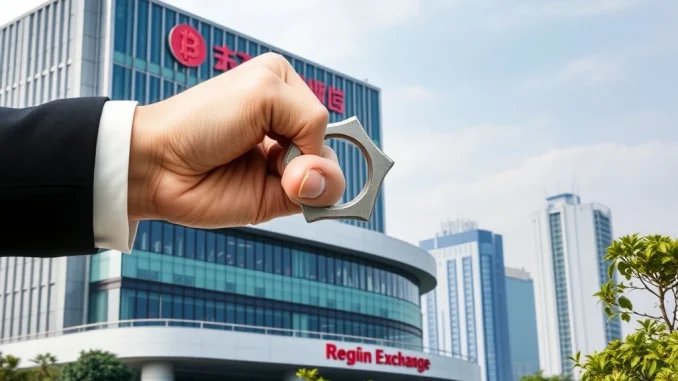
A significant shift is underway across Asia’s financial markets. Major bourses are introducing stringent requirements for companies with significant cryptocurrency holdings. This move marks a pivotal moment for businesses seeking to list while holding digital assets. The trend suggests a growing cautious approach from traditional financial institutions towards the volatile crypto market.
The Hong Kong Stock Exchange Leads Regulatory Tightening
The Hong Kong Stock Exchange (HKEX) stands at the forefront of this regulatory tightening. Recent reports indicate HKEX has rejected at least five listing applications from companies holding cryptocurrencies. This firm stance sends a clear message to the market. The exchange appears concerned about the inherent risks associated with digital assets. Therefore, it prioritizes investor protection and market stability. This cautious approach reflects broader global concerns regarding crypto market volatility and transparency issues. Firms must now demonstrate robust risk management and compliance frameworks.
The rejections from the Hong Kong Stock Exchange signal a new era. Companies can no longer assume that holding substantial cryptocurrency holdings will be overlooked. Instead, these assets are becoming a major point of scrutiny. Listing committees are examining balance sheets closely. They want to understand the nature and extent of crypto exposure. Furthermore, they are assessing the potential impact on a company’s financial health. This development will undoubtedly influence future IPO strategies for many tech and blockchain-adjacent firms.
Asian Stock Exchanges Broaden Strict Crypto Listing Rules
The tightening of crypto listing rules extends beyond Hong Kong. Regulators in India and Australia are also implementing similar measures. This regional convergence suggests a coordinated effort to manage risks. These risks stem from the increasing integration of digital assets into corporate balance sheets. For instance, Indian authorities are exploring frameworks to categorize and regulate crypto assets more clearly. This could lead to specific disclosure requirements for companies. Similarly, Australian regulators are enhancing oversight. They aim to protect retail investors from speculative asset classes. These actions demonstrate a clear pattern across major Asian stock exchanges.
This widespread regulatory tightening highlights a global trend. Jurisdictions are grappling with how to integrate novel asset classes into existing financial systems. They seek to balance innovation with stability. Consequently, companies must now navigate a complex web of national regulations. These regulations can vary significantly in their specifics. However, the overarching goal remains consistent: mitigating financial risks associated with cryptocurrency holdings. Therefore, firms need to stay informed about evolving requirements in each market where they operate or plan to list.
Impact on Companies with Cryptocurrency Holdings
The new crypto listing rules pose significant challenges for companies. Firms with substantial cryptocurrency holdings face increased scrutiny. This scrutiny can delay or even derail their public listing plans. They must demonstrate robust accounting practices for these volatile assets. Additionally, they need clear strategies for managing price fluctuations. This includes transparent valuation methodologies. The shift also affects investor perception. Traditional institutional investors often view crypto exposure as a higher risk. This can impact a company’s valuation and attractiveness during an IPO. Therefore, businesses must prepare thoroughly.
Companies must adapt their financial reporting. They also need to enhance their risk management frameworks. This includes detailed disclosures about their digital asset strategies. For example, they might need to explain how they custody their assets. They also need to clarify how they hedge against market volatility. The Hong Kong Stock Exchange and other Asian stock exchanges are demanding this level of transparency. Firms that fail to meet these elevated standards will likely struggle to gain approval. Ultimately, this pushes companies towards greater financial discipline in their crypto ventures.
Why the Increased Scrutiny and Regulatory Tightening?
Several factors drive this enhanced scrutiny. Primarily, regulators are concerned about investor protection. The crypto market is notoriously volatile. Sudden price swings can erode shareholder value rapidly. Furthermore, there are ongoing concerns about market manipulation and illicit activities. These issues pose significant risks to public markets. Regulators also struggle with valuation. Unlike traditional assets, crypto lacks universally accepted valuation models. This makes it difficult to assess a company’s true financial health. The lack of clear regulatory frameworks globally adds to the complexity. This uncertainty prompts Asian stock exchanges to adopt a cautious stance. They aim to prevent potential systemic risks.
The motivation behind this regulatory tightening is multifaceted. Global financial stability is a key concern. Unregulated crypto exposure could create contagion risks. This could potentially affect broader financial markets. Moreover, central banks and governments are increasingly focused on digital asset regulation. They want to ensure compliance with anti-money laundering (AML) and counter-terrorist financing (CTF) standards. The stringent crypto listing rules are a direct response to these pressures. They reflect a growing consensus among financial authorities. Digital assets need robust oversight to operate within traditional financial systems safely. This ensures greater accountability for firms with significant cryptocurrency holdings.
Navigating the New Landscape for Crypto-Holding Firms
Companies holding cryptocurrencies must now adapt their strategies. Transparency is paramount. They should provide detailed disclosures about their digital asset strategies. This includes their risk management protocols. Engaging with financial advisors specializing in crypto accounting and regulation is crucial. Firms should also consider segregating their crypto assets. This might involve creating distinct subsidiaries or investment vehicles. Such measures can simplify financial reporting. They also demonstrate a commitment to clear corporate governance. Proactive engagement with regulators can also prove beneficial. This helps companies understand specific requirements and address concerns early. Ultimately, a well-defined and transparent approach will be key to successful listings on Asian stock exchanges.
The evolving landscape demands strategic foresight. Companies must proactively address potential red flags. This includes demonstrating clear audit trails for their cryptocurrency holdings. They should also implement robust internal controls. Furthermore, understanding the nuances of each exchange’s crypto listing rules is vital. For example, the Hong Kong Stock Exchange might have specific requirements. These might differ from those in Australia or India. Therefore, a tailored approach for each market is advisable. Firms that embrace these changes will be better positioned for future growth and public market access. This period of regulatory tightening represents an opportunity. It allows companies to professionalize their digital asset management.
Conclusion: A New Era for Crypto and Public Markets
The tightening of crypto listing rules by major Asian stock exchanges marks a significant development. It signals a more cautious and regulated environment for companies with cryptocurrency holdings. The actions of the Hong Kong Stock Exchange, alongside similar moves in India and Australia, highlight a clear trend. This trend prioritizes investor protection and market stability over rapid crypto integration. Companies seeking public listings must now navigate these stricter requirements. They need enhanced transparency, robust risk management, and clear accounting for their digital assets. This period of regulatory tightening will shape the future interaction between the crypto industry and traditional finance, fostering greater maturity and compliance within the digital asset space.
Frequently Asked Questions (FAQs)
Q1: What are Asian stock exchanges doing regarding crypto-holding firms?
A1: Major Asian stock exchanges, including the Hong Kong Stock Exchange, are tightening their listing rules. They are implementing stricter requirements for companies that hold significant cryptocurrency assets. This involves increased scrutiny and rejections of applications.
Q2: Why is the Hong Kong Stock Exchange rejecting applications from crypto-holding firms?
A2: The Hong Kong Stock Exchange is rejecting applications primarily due to concerns about the volatility and risks associated with cryptocurrency holdings. They prioritize investor protection, market stability, and robust risk management from prospective listed companies.
Q3: What are the new crypto listing rules for companies with cryptocurrency holdings?
A3: The new crypto listing rules require companies to demonstrate enhanced transparency, robust accounting practices for digital assets, and clear risk management strategies. They must also provide detailed disclosures about their crypto exposure and its potential impact on their financials.
Q4: What is regulatory tightening in this context?
A4: Regulatory tightening refers to the implementation of more stringent laws, rules, and guidelines by financial authorities. In this context, it means stock exchanges and regulators are imposing tougher standards for companies with cryptocurrency holdings seeking to list, to mitigate risks and ensure market integrity.
Q5: Which other Asian regions are implementing similar measures?
A5: Besides Hong Kong, regulators in India and Australia are also implementing similar measures. These actions aim to enhance oversight and manage the risks associated with cryptocurrency holdings within public companies.
Q6: How does this impact companies with significant cryptocurrency holdings?
A6: Companies with significant cryptocurrency holdings face increased challenges in going public. They must adapt their financial reporting, strengthen risk management, and ensure compliance with evolving regulations. This can delay or prevent listings if they do not meet the stricter standards set by Asian stock exchanges.