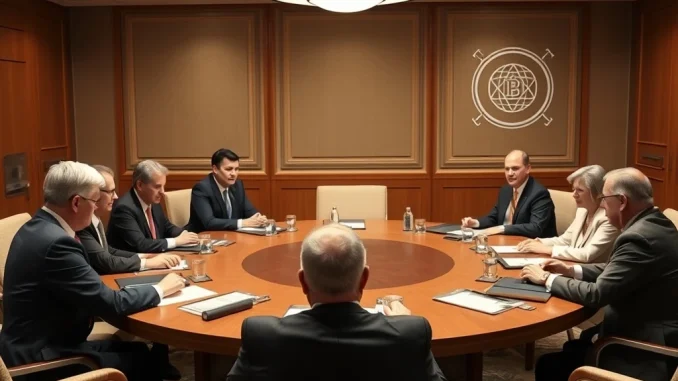
A pivotal moment approaches for the digital asset landscape. On October 22, U.S. Democratic senators will host a crucial crypto roundtable. This significant event aims to shape the future of US crypto regulation. Industry leaders and policymakers will gather to discuss vital market structure legislation. This meeting could redefine how digital assets operate within the United States.
Democratic Senators Drive Key Crypto Discussions
U.S. Democratic senators are actively engaging with the cryptocurrency sector. They are preparing for an important roundtable discussion. This meeting is scheduled for October 22. Its primary goal is to address existing gaps in US crypto regulation. The session will focus on the complex topic of crypto market structure legislation. Furthermore, it will explore its future trajectory. Eleanor Terrett, host of Crypto in America, first reported these details. Her insights highlight the growing political attention on digital assets.
Senator Kirsten Gillibrand will host this high-profile event. She is a key figure in bipartisan efforts to establish clear crypto frameworks. Gillibrand has consistently advocated for sensible regulation. She believes it fosters innovation while protecting consumers. The participation of prominent Democratic senators crypto initiatives underscores a commitment. They seek to understand and integrate digital currencies into the national economy. This roundtable signifies a proactive approach. Policymakers aim to engage directly with industry experts.
Leading Industry Figures Join the Dialogue
The upcoming crypto roundtable will feature top executives. These leaders represent some of the largest cryptocurrency firms. Specifically, executives from Coinbase, Ripple, Kraken, and Circle are expected to attend. Their presence is significant. It ensures that diverse perspectives from the industry are heard. These companies operate at the forefront of digital asset innovation. They also navigate the complexities of an evolving regulatory environment. Their input will be invaluable to the senators.
Coinbase, a major crypto exchange, plays a vital role. Ripple, known for its enterprise blockchain solutions, offers unique insights. Kraken, another leading exchange, brings expertise in trading. Circle, a stablecoin issuer, understands the nuances of digital payments. Each firm faces distinct regulatory challenges. Consequently, their collective experience provides a comprehensive view. The dialogue will likely cover various aspects. These include consumer protection, market integrity, and technological advancement. Ultimately, the goal is to forge a path forward for digital assets.
Understanding Crypto Market Structure Legislation
The core of the discussion revolves around crypto market structure legislation. This area addresses how digital assets are traded, settled, and regulated. Currently, the regulatory landscape is fragmented. Different agencies claim jurisdiction over various aspects of crypto. This lack of clarity creates uncertainty for businesses and investors alike. Therefore, establishing a unified framework is crucial. It can provide much-needed stability.
Key components of market structure legislation typically include:
- Definition of Digital Assets: Classifying cryptocurrencies as securities, commodities, or other asset types. This affects regulatory oversight.
- Exchange Regulation: Rules for how crypto exchanges operate. This covers listing, trading, and custody.
- Custody Standards: Guidelines for securing digital assets. This protects user funds.
- Investor Protection: Measures to safeguard retail and institutional investors. This prevents fraud and manipulation.
Clear legislation can foster innovation. It also ensures fair and transparent markets. Furthermore, it helps prevent illicit activities. The roundtable offers a platform. Here, lawmakers can gather insights. They will understand the practical implications of different legislative approaches. This direct engagement is essential. It informs the creation of effective and balanced regulations.
Senator Kirsten Gillibrand’s Role in Shaping Policy
Senator Kirsten Gillibrand crypto involvement is well-documented. She has been a leading voice in the Senate. Her efforts aim to bring regulatory clarity to digital assets. Gillibrand, alongside Senator Cynthia Lummis, introduced the Responsible Financial Innovation Act. This bipartisan bill proposed a comprehensive framework. It sought to integrate digital assets into existing financial laws. Although not yet passed, it laid significant groundwork.
Her commitment reflects a broader understanding. Digital assets are a growing part of the economy. They require thoughtful legislative attention. Hosting this crypto roundtable further solidifies her leadership. It demonstrates her dedication to constructive dialogue. Gillibrand’s approach emphasizes collaboration. She believes in working with industry to find viable solutions. Her presence ensures a well-informed and balanced discussion. This is vital for the future of US crypto regulation. The outcomes of this meeting will likely influence future legislative proposals. It could also shape existing bills.
Why This Crypto Roundtable Matters for the Industry
This upcoming crypto roundtable holds immense importance. It represents a significant step towards regulatory clarity in the U.S. The cryptocurrency industry has long sought clear guidelines. Currently, it operates under a patchwork of rules. This creates uncertainty and hinders growth. A unified approach can unlock significant potential. It can attract more investment and foster innovation.
Furthermore, the meeting offers a direct line of communication. Industry leaders can articulate their concerns and propose solutions. This engagement helps lawmakers understand the technology’s nuances. It also highlights its economic impact. Without this direct dialogue, legislation might be less effective. It could even be counterproductive. Therefore, this meeting is not just a discussion. It is a critical opportunity for collaboration. It bridges the gap between technological advancement and governmental oversight. The outcomes could set a precedent for future legislative actions. They might also influence global regulatory trends.
Navigating Legislative Hopes and Hurdles
The path to comprehensive US crypto regulation is fraught with challenges. However, it also presents significant opportunities. Industry participants hope for clear, consistent rules. These rules should promote innovation. They must also protect consumers and maintain market integrity. The roundtable aims to address these aspirations. It will also confront the inherent hurdles.
Some key hurdles include:
- Jurisdictional Disputes: Which agency should regulate what? The SEC and CFTC often have overlapping claims.
- Technological Complexity: Lawmakers must grasp rapidly evolving blockchain technology.
- Political Polarization: Achieving bipartisan consensus on new financial legislation is difficult.
- Global Competition: The U.S. must balance regulation with remaining competitive globally.
Despite these challenges, the potential benefits are substantial. Clear legislation could attract more institutional investment. It could also encourage more companies to build in the U.S. This crypto roundtable is a vital step. It facilitates the necessary conversations. These discussions can overcome hurdles and realize legislative hopes. Ultimately, it aims to create a robust and secure digital asset ecosystem.
The Future of Digital Assets in the US
The discussions on October 22 will profoundly influence the future of digital assets. Establishing a clear crypto market structure is paramount. It determines how crypto businesses operate. It also affects how investors engage with digital assets. A well-defined regulatory framework can foster trust. It can also encourage mainstream adoption. Without it, the industry faces continued uncertainty. This could stifle growth and innovation.
The potential outcomes include:
- Increased Clarity: Businesses will have a better understanding of compliance requirements. This reduces legal risks.
- Enhanced Innovation: Clear rules can free up resources. Companies can then focus on developing new products and services.
- Greater Investor Confidence: Regulatory certainty protects investors. This encourages broader participation.
- U.S. Leadership: A robust framework can position the U.S. as a leader in the global digital asset space.
The dialogue between Democratic senators crypto proponents and industry leaders is critical. It lays the foundation for future policy decisions. These decisions will shape the competitive landscape. They will also impact the integration of digital assets into the broader financial system. The long-term vision involves a thriving, regulated, and innovative crypto economy.
Global Context of US Crypto Policy
The United States’ approach to US crypto regulation does not exist in a vacuum. Other major global economies are also grappling with similar issues. Countries like the European Union, the UK, and Singapore have made significant strides. They have developed their own comprehensive regulatory frameworks. For example, the EU’s MiCA (Markets in Crypto-Assets) regulation provides a harmonized approach. This creates a single market for crypto assets.
The U.S. must consider this global context. Its regulatory decisions will impact its competitiveness. They will also affect its ability to attract crypto businesses. A balanced approach is necessary. It should protect consumers while avoiding overly burdensome rules. Overly strict regulations could drive innovation elsewhere. Conversely, a lack of clarity could deter legitimate businesses. The crypto roundtable provides an opportunity. It allows policymakers to learn from international experiences. They can then craft a framework that positions the U.S. favorably on the global stage. This strategic perspective is crucial for long-term success.
Investor Confidence and Market Stability
Ultimately, clear crypto market structure legislation benefits investors. It also contributes to overall market stability. When regulations are ambiguous, investors face higher risks. They worry about fraud, manipulation, and the legal status of their assets. This uncertainty deters both retail and institutional participation. Transparent rules, however, build confidence. They provide a sense of security.
For instance, well-defined custody rules protect assets. Clear trading rules prevent market abuses. Furthermore, consistent definitions ensure fair taxation. These elements collectively foster a more stable environment. This stability is essential for the long-term growth of the crypto industry. The discussions involving Kirsten Gillibrand crypto insights and industry leaders are thus vital. They aim to create a regulatory environment. This environment supports investor trust and promotes healthy market development. A stable market attracts more capital. It also encourages more innovation within the ecosystem.
Conclusion: A Path Towards Regulatory Clarity
The upcoming crypto roundtable on October 22 marks a significant milestone. It signals a serious intent from Democratic senators crypto proponents. They aim to address the complexities of US crypto regulation. This meeting brings together key policymakers and industry leaders. Their discussions on crypto market structure legislation are crucial. They will lay the groundwork for a clearer, more predictable future. The active participation of Senator Kirsten Gillibrand underscores the commitment. This is a collaborative effort to establish robust frameworks. The outcomes of this roundtable will undoubtedly shape the trajectory of digital assets in the United States. It offers a vital step towards achieving much-needed regulatory clarity and fostering responsible innovation.
Frequently Asked Questions (FAQs)
Q1: What is the main purpose of the crypto roundtable on October 22?
A1: The primary purpose of the crypto roundtable is to discuss crypto market structure legislation. It aims to clarify US crypto regulation and determine its future direction. This involves dialogue between U.S. Democratic senators and cryptocurrency industry CEOs.
Q2: Which U.S. Senator is hosting the crypto roundtable?
A2: Democratic Senator Kirsten Gillibrand crypto advocate is hosting the roundtable. She is known for her efforts to introduce comprehensive digital asset legislation.
Q3: Which major crypto companies are expected to attend the meeting?
A3: Executives from prominent companies like Coinbase, Ripple, Kraken, and Circle are expected to attend. Their participation ensures diverse industry perspectives are heard regarding US crypto regulation.
Q4: Why is crypto market structure legislation important for the industry?
A4: Crypto market structure legislation provides clarity on how digital assets are defined, traded, and regulated. This clarity reduces uncertainty, fosters innovation, protects investors, and enhances market stability within the U.S.
Q5: How will the outcomes of this roundtable affect the future of crypto in the U.S.?
A5: The roundtable’s outcomes could significantly influence future legislative proposals. It may lead to a more defined US crypto regulation framework. This could enhance investor confidence, attract more institutional investment, and solidify the U.S.’s position in the global digital asset economy.