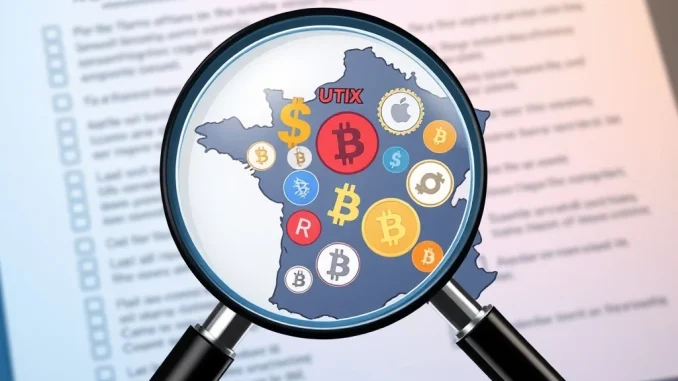
France’s financial watchdog is making a significant move. The nation’s Prudential Supervision and Resolution Authority (ACPR) has dramatically expanded its anti-money laundering (AML) checks. This crucial step impacts over 100 crypto-asset service providers (PSANs) operating within the country. This intensified scrutiny is a direct preparation for the upcoming European Union’s Markets in Crypto-Assets (MiCA) license. Consequently, these stringent measures underscore France’s commitment to robust **France crypto AML** frameworks. It also sets a precedent for the broader European crypto landscape.
France Crypto AML: Intensified Scrutiny for PSANs
Since late last year, the ACPR has been actively conducting thorough on-site inspections. These inspections focus squarely on AML compliance. This means evaluating how crypto firms manage financial crime risks. Notably, the ACPR requested that global giant Binance strengthen its risk controls. Such actions highlight the serious nature of these regulatory efforts. The goal is clear: ensure a secure and compliant environment for digital assets. Furthermore, this proactive approach by French authorities demonstrates a commitment to safeguarding investors and the financial system.
The Mandate of the ACPR in Crypto Regulation France
The ACPR acts as an independent administrative authority. It supervises banks and insurance companies. Now, its mandate includes crypto firms. This expansion reflects the growing importance of digital assets. The authority works to ensure financial stability. It also protects clients of financial institutions. Its current focus on crypto-asset service providers (PSANs) is pivotal. It aims to integrate these novel entities into existing regulatory frameworks. This move ensures a consistent level of oversight. It also reinforces the credibility of **Crypto regulation France** within the EU.
During these inspections, the ACPR assesses several key areas. These include customer due diligence (CDD) procedures. They also examine suspicious transaction reporting (STR) mechanisms. Furthermore, firms’ internal controls and governance structures face review. Any identified deficiencies could significantly impede a firm’s ability to obtain the necessary licenses. Therefore, compliance is not merely an option; it is a fundamental requirement for continued operation.
MiCA Licensing: The Path to EU Crypto Compliance
The Markets in Crypto-Assets (MiCA) regulation represents a landmark legislative package. It establishes a harmonized regulatory framework for crypto-assets across the European Union. This framework aims to provide legal certainty. It also supports innovation. Simultaneously, it protects consumers and market integrity. Crypto firms in France must secure a MiCA license. This must be done through the country’s Financial Markets Authority (AMF) by the end of June 2026. This deadline creates urgency for many operators.
The ACPR’s current AML checks are a direct precursor to this licensing process. The authority plans to share its comprehensive findings with the AMF. Consequently, the AMF will use this information. It will help determine which firms genuinely qualify for a MiCA license. This collaborative approach ensures a robust and informed decision-making process. Firms failing to meet the stringent AML requirements face significant hurdles. They might even face exclusion from the regulated market. This underscores the importance of proactive **EU crypto compliance** efforts.
Navigating the Landscape for PSANs France
For **PSANs France**, this period marks a critical juncture. Firms must not only meet current national requirements. They also need to prepare for the broader MiCA framework. This often involves substantial investments. These investments go into compliance infrastructure and personnel. Many smaller firms might find this challenging. It could lead to market consolidation. Larger, well-resourced entities may gain an advantage. They can adapt more quickly to the new regulatory demands. Therefore, strategic planning is essential for all crypto service providers.
Compliance means more than just ticking boxes. It involves embedding a strong culture of regulatory adherence. Firms must demonstrate effective risk management. They also need transparent operational practices. The ACPR’s inspections are not merely punitive. They offer an opportunity for firms to identify weaknesses. They can then strengthen their internal controls. Ultimately, this leads to a more mature and resilient crypto ecosystem. Successful navigation of these checks positions firms favorably for future growth within the EU.
Broadening the Scope of EU Crypto Compliance
France’s proactive stance on AML checks extends beyond its borders. It sends a strong signal to other EU member states. It emphasizes the need for rigorous enforcement ahead of MiCA’s full implementation. This leadership contributes to the overall strength of **EU crypto compliance**. It fosters a level playing field. It also enhances investor confidence across the bloc. Other national authorities will likely observe and potentially emulate France’s methods. This could lead to a more harmonized and effective regulatory approach throughout Europe.
The implications are far-reaching. Enhanced AML checks mean a cleaner, safer crypto market. This deters illicit activities. It also attracts traditional financial institutions. These institutions seek regulated environments for their digital asset ventures. Therefore, France’s actions are not just about local compliance. They are about shaping the future of crypto finance in Europe. They ensure its integrity and sustainability. This regulatory evolution is vital for mainstream adoption of cryptocurrencies.
In conclusion, France’s intensified AML checks are a pivotal moment. They prepare the crypto sector for the MiCA era. Firms must prioritize robust compliance. This ensures their future in a regulated market. This commitment to stringent oversight ultimately strengthens the entire EU crypto landscape. It fosters trust and security for all participants.
Frequently Asked Questions (FAQs)
1. What is the Markets in Crypto-Assets (MiCA) regulation?
MiCA is a comprehensive EU regulation. It establishes a unified legal framework for crypto-assets. It covers issuance, trading, and services. MiCA aims to provide legal certainty. It also protects consumers and ensures market integrity across all EU member states.
2. What is the ACPR’s role in France crypto AML checks?
The ACPR (Prudential Supervision and Resolution Authority) is France’s financial watchdog. It supervises banks and insurance companies. Now, it conducts on-site AML compliance checks on crypto firms. These checks ensure firms meet anti-money laundering standards ahead of MiCA licensing.
3. How do these checks affect crypto firms in France?
Crypto firms, known as PSANs, must undergo rigorous AML inspections. Any deficiencies found could hinder their ability to obtain a MiCA license. This forces firms to strengthen their compliance frameworks and risk controls significantly.
4. When is the deadline for obtaining a MiCA license in France?
Crypto firms operating in France must obtain their MiCA license through the Financial Markets Authority (AMF) by the end of June 2026. The ACPR’s findings will directly influence the AMF’s licensing decisions.
5. What are PSANs in the context of French crypto regulation?
PSANs (Prestataires de Services sur Actifs Numériques) are Crypto-Asset Service Providers. This is a specific designation under French law for entities offering services related to digital assets, such as custody, exchange, or trading.
6. Why is France taking a proactive approach to crypto regulation?
France aims to be a leader in digital finance. By proactively enforcing strict AML and preparing for MiCA, it seeks to create a secure, attractive environment for crypto innovation. This also helps prevent financial crime and protects investors within its jurisdiction.