In a significant move to uphold user trust, Binance recently announced and executed a comprehensive Binance compensation plan. This initiative directly addressed the aftermath of a widespread market event. Many users experienced substantial losses during what community sources termed its largest-ever forced liquidation. The swift response highlights the ongoing efforts by major platforms to ensure stability and user confidence in volatile markets.
Unpacking the Mass Liquidation Event
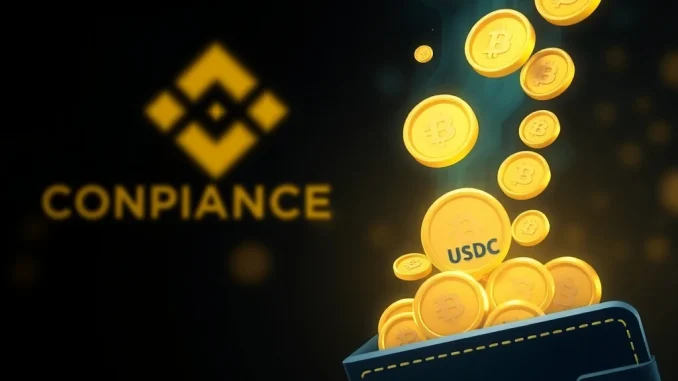
On October 11, Binance began distributing varying amounts of USDC to affected users. This action followed a turbulent period. Traders faced unprecedented forced liquidations. These events primarily impacted futures and margin trading positions. The incident occurred between 0:00 UTC on October 10 and 23:59 UTC on October 11. It left many in the crypto community concerned about market volatility and exchange stability. The scale of the event prompted a rapid response from the world’s largest crypto exchange.
Forced liquidations happen when a trader’s margin balance falls below the maintenance margin requirement. This occurs due to adverse price movements. Exchanges automatically close positions to prevent further losses. In this particular instance, an unusual combination of market factors triggered a cascade. This resulted in a widespread mass liquidation across the platform. The exact triggers are often complex. They typically involve sudden price swings and high leverage. Such events underscore the inherent risks in highly leveraged derivatives trading.
Binance’s Swift Response: Details of Compensation
Prior to the USDC distribution, Binance had already outlined its commitment to affected users. The exchange announced it would provide token vouchers. These vouchers were worth up to $6,000. They aimed to mitigate losses for eligible users. The compensation criteria focused on specific trading activities. It covered losses from forced liquidations in futures trading and margin positions. This direct financial aid aimed to alleviate the immediate burden on users. It also demonstrated the exchange’s responsibility towards its user base.
The distribution of USDC as compensation is notable. USDC is a stablecoin pegged to the U.S. dollar. Therefore, it offers stability and immediate value to recipients. This choice ensures that users receive a predictable amount. It avoids further exposure to market fluctuations. Furthermore, the provision of token vouchers added another layer of support. These vouchers offered flexibility. Users could redeem them for various cryptocurrencies or trading fee offsets. This multi-faceted approach aimed to address different user needs effectively.
Understanding Futures Trading and Its Risks
Futures trading involves speculating on the future price of an asset. It allows traders to use leverage. Leverage amplifies both potential gains and losses. While it offers opportunities for significant profits, it carries substantial risks. A small price movement against a leveraged position can lead to rapid liquidation. The recent mass liquidation event on Binance serves as a stark reminder of these dangers. Traders must understand the mechanisms involved. They also need to manage their risk exposure carefully. Educational resources are crucial for new and experienced traders alike.
Key aspects of futures trading include:
- Leverage: Magnifies trading capital, but also risk.
- Margin: Initial capital required to open and maintain a position.
- Liquidation Price: The price point at which an exchange automatically closes a leveraged position to prevent further losses.
- Volatility: Rapid price changes, common in crypto markets, can quickly trigger liquidations.
These elements combine to create a high-stakes trading environment. Users must exercise extreme caution. They should only trade with funds they can afford to lose. Responsible trading practices are paramount.
Impact on Users and the Broader Crypto Exchange Landscape
The Binance compensation effort has significant implications. Firstly, it directly supports affected users. It helps them recover from unexpected losses. This can restore confidence in the platform. Secondly, it sets a precedent for other platforms. Major crypto exchange platforms often face similar challenges. How they respond shapes industry standards. Transparency and accountability are increasingly vital. They contribute to the overall maturation of the crypto market.
Community reactions to the compensation have been mixed. Many users expressed relief and gratitude. Others raised questions about the event’s root causes. This ongoing dialogue is healthy for the ecosystem. It encourages exchanges to review and improve their risk management systems. It also pushes for better communication with their user base. Ultimately, such events, and their subsequent resolutions, build resilience. They help foster a more robust and trustworthy trading environment for everyone.
Enhancing User Protection and Risk Management
Following such incidents, a renewed focus on user protection emerges. Exchanges like Binance continually enhance their security protocols. They also improve their risk management frameworks. This includes implementing more sophisticated liquidation engines. It also involves clearer communication about risks. For traders, it means adopting safer strategies. Diversifying portfolios and using stop-loss orders are examples. Furthermore, understanding how USDC and other stablecoins function is crucial. They offer a safe haven during volatile periods. The incident serves as a learning opportunity for the entire industry. It promotes better practices across the board.
The incident also highlights the importance of regulatory oversight. As the crypto market grows, so does the call for clear guidelines. Regulations can help standardize risk management. They can also ensure fair treatment of users. While self-regulation plays a role, external frameworks provide additional safeguards. This balance is essential for sustainable growth. It helps protect both individual investors and the broader financial system.
In conclusion, Binance’s prompt Binance compensation for the mass liquidation event underscores a commitment to user welfare. By distributing USDC and token vouchers, the world’s largest crypto exchange aimed to mitigate losses from challenging futures trading conditions. This action is a crucial step. It helps rebuild trust and reinforce the importance of robust risk management. It also highlights the need for continuous improvement in the dynamic cryptocurrency landscape.
Frequently Asked Questions (FAQs)
What was the mass liquidation event on Binance?
The mass liquidation event was a period between October 10 and October 11 UTC. During this time, many users experienced forced liquidations of their futures and margin trading positions on Binance due to significant market volatility.
Who was eligible for Binance compensation?
Eligible users were those who suffered losses from forced liquidations in futures and margin trading on Binance between 0:00 UTC on October 10 and 23:59 UTC on October 11.
What kind of compensation did Binance provide?
Binance distributed varying amounts of USDC, a stablecoin, directly to affected users. Additionally, they provided token vouchers worth up to $6,000 to further compensate eligible users.
Why did Binance choose USDC for compensation?
Binance chose USDC because it is a stablecoin pegged to the U.S. dollar. This choice ensures that compensated users receive a stable and predictable value, shielding them from further cryptocurrency market fluctuations.
What are the risks associated with futures trading?
Futures trading involves high risk due to leverage. Small market movements can lead to significant losses, including forced liquidations, if positions are not managed carefully. Traders can lose more than their initial margin.
How can users protect themselves from similar events?
Users can protect themselves by understanding leverage, setting stop-loss orders, diversifying their portfolios, and only trading with funds they can afford to lose. It is also crucial to stay informed about market conditions and exchange policies.