The world of finance is constantly evolving. A significant development recently emerged, promising to bridge traditional markets with blockchain technology. Solotex, a pioneering real-world asset (RWA) tokenization platform, has achieved a crucial milestone. It secured regulatory approval from the U.S. Financial Industry Regulatory Authority (FINRA). This approval marks a pivotal step. It enables Solotex to launch its innovative stock tokenization service. This service targets U.S. retail investors. This move could reshape how we perceive and interact with digital assets.
Solotex Secures Crucial FINRA Approval
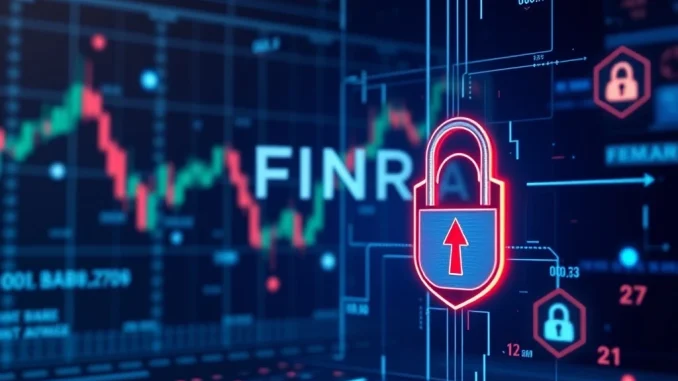
Solotex has officially received its green light from FINRA. This regulatory body oversees broker-dealers in the United States. This approval is not merely a formality; it represents a significant vote of confidence. It validates Solotex’s operational framework and compliance measures. Consequently, the platform can now move forward with its ambitious plans. It aims to offer tokenized securities to a broad audience. The FINRA approval provides a strong foundation. It ensures Solotex operates within established financial regulations. This adherence is critical for investor protection and market integrity.
Understanding RWA Tokenization
RWA tokenization involves converting tangible or intangible assets into digital tokens on a blockchain. These assets can range from real estate and art to commodities and, crucially, stocks. Each token represents fractional ownership of the underlying asset. Therefore, this process enhances liquidity and accessibility. It also reduces traditional barriers to entry. For example, investors can buy a fraction of a high-value asset. This was previously difficult or impossible. Tokenization leverages blockchain’s transparency and immutability. It creates a more efficient and secure system. Solotex’s focus on stock tokenization exemplifies this innovation. It transforms traditional equities into programmable digital assets.
RWA tokenization offers several key benefits:
- Fractional Ownership: Investors can buy small portions of high-value assets.
- Increased Liquidity: Traditionally illiquid assets become more easily tradable.
- Enhanced Transparency: Blockchain’s immutable ledger provides clear ownership records.
- Reduced Costs: Automation can lower administrative and intermediary fees.
The Promise of Stock Tokenization for Retail Investors
The launch of Solotex’s stock tokenization service holds immense potential. It specifically benefits U.S. retail investors. Traditionally, accessing certain investment opportunities can be complex. High minimum investments or geographical restrictions often create hurdles. Tokenized stocks can democratize access. They allow fractional ownership. This means investors can buy small portions of expensive stocks. Consequently, a wider range of individuals can participate in the equity markets. This increases market inclusivity. Furthermore, blockchain technology can enable 24/7 trading. It also offers faster settlement times. This contrasts sharply with conventional market hours and multi-day settlement periods. The enhanced accessibility and efficiency could attract a new generation of investors. It empowers them with more flexible investment options.
Navigating the Regulatory Landscape
Securing FINRA approval is a testament to Solotex’s commitment to compliance. The regulatory environment for digital assets is complex and evolving. Different jurisdictions have varied approaches. In the U.S., entities dealing with securities must adhere to strict rules. FINRA’s oversight ensures investor protection. It also maintains fair and orderly markets. Solotex’s proactive engagement with regulators sets a precedent. It demonstrates how innovation can thrive within a regulated framework. This approach builds trust. It also mitigates risks often associated with emerging technologies. The approval signals readiness for mainstream adoption of tokenized securities.
The Future of Digital Assets and Traditional Finance
The convergence of blockchain and traditional finance is accelerating. Platforms like Solotex are at the forefront of this movement. Their RWA tokenization efforts are bridging two worlds. This integration promises several advantages. It includes increased transparency, reduced costs, and improved efficiency. Moreover, the ability to tokenize various assets opens new avenues for capital formation. It also creates diverse investment products. The future may see a significant portion of global assets tokenized. This will transform illiquid assets into tradable digital assets. This shift could unlock trillions in value. It creates a more interconnected and accessible financial ecosystem. Solotex’s FINRA approval is a crucial step towards this future.
Solotex has reached a significant milestone. Its FINRA approval for RWA tokenization is a game-changer. It specifically enables stock tokenization for U.S. retail investors. This development is poised to redefine investment access and market efficiency. As the digital asset landscape matures, regulatory clarity becomes paramount. Solotex’s achievement underscores the growing acceptance of blockchain-based financial products. It marks a bold step into a future where traditional and digital finance seamlessly converge. This ultimately creates more opportunities for everyone.
Frequently Asked Questions (FAQs)
- What is Solotex?
Solotex is a real-world asset (RWA) tokenization platform. It converts traditional assets, like stocks, into digital tokens on a blockchain. This allows for fractional ownership and increased accessibility. - What does FINRA approval mean for Solotex?
FINRA approval signifies that Solotex has met the regulatory requirements set by the U.S. Financial Industry Regulatory Authority. This allows them to legally operate a stock tokenization service for U.S. retail investors, ensuring compliance and investor protection. - How does stock tokenization benefit retail investors?
Stock tokenization offers several benefits, including fractional ownership, which lowers investment barriers. It can also provide enhanced liquidity, faster settlement times, and potentially 24/7 trading, making equity markets more accessible and efficient. - Are tokenized stocks considered digital assets?
Yes, tokenized stocks are a form of digital asset. They represent ownership of an underlying traditional stock but exist as digital tokens on a blockchain, inheriting properties like transparency and immutability. - What is RWA tokenization?
RWA tokenization is the process of converting real-world assets (like real estate, art, or stocks) into digital tokens on a blockchain. This process aims to increase liquidity, improve transparency, and democratize access to these assets. - Will this make investing in stocks riskier?
FINRA approval indicates Solotex adheres to regulatory standards designed to protect investors. While all investments carry risk, the regulatory oversight aims to mitigate specific risks associated with novel financial products and ensure market integrity.