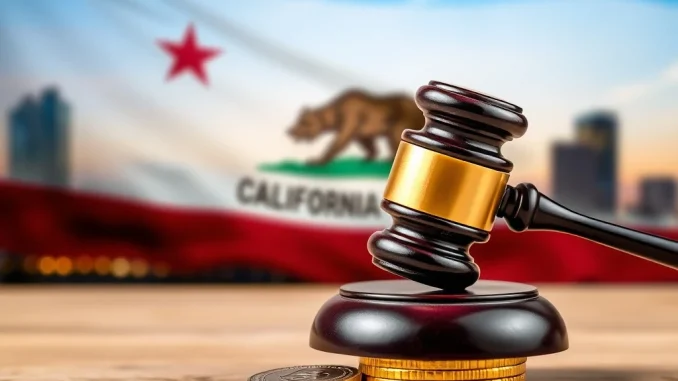
The cryptocurrency landscape continually evolves. Recently, California enacted a significant new law. This California Crypto Law reshapes how the state handles unclaimed cryptocurrency. It introduces crucial changes for digital asset holders. This legislation also impacts custodial crypto platforms operating within the state. Consequently, understanding these changes is vital for anyone involved in the crypto ecosystem.
Understanding California’s Approach to Unclaimed Cryptocurrency
California Governor Gavin Newsom recently signed two pivotal bills: AB 1052 and SB 822. These bills integrate digital assets into the state’s existing unclaimed property laws. Previously, the framework primarily addressed traditional assets. Now, unclaimed cryptocurrency falls under this protective umbrella. This move reflects the growing prominence of digital assets. It also acknowledges the need for clear regulatory guidance.
The new legislation dictates specific procedures. It addresses cryptocurrency held on custodial platforms. Such platforms include various crypto exchanges. After three years of inactivity, these assets transfer to state management. This period allows ample time for owners to act. The state now assumes responsibility for these digital holdings.
A key aspect of this California Crypto Law is its “hold, not sell” mandate. The law specifically requires the state to hold these assets. They must remain in their original digital form. This prevents a forced liquidation immediately upon state custody. This provision offers a layer of protection for owners. It ensures their digital assets retain their inherent value.
However, this holding period is not indefinite. The state can sell the cryptocurrency. This occurs if no owner claims it. The sale becomes permissible after 18 to 20 months of state custody. This timeframe provides an additional window for reclamation. Ultimately, the state aims to reunite owners with their property.
Implications for Digital Assets California and Custodial Crypto Platforms
This new California Crypto Law has wide-ranging implications. It directly affects individuals holding digital assets California. It also significantly impacts custodial crypto platforms. These platforms now face new compliance requirements. They must identify inactive accounts. They also need to report and transfer unclaimed cryptocurrency to the state.
For individuals, understanding this law is vital. Owners of digital assets should monitor their accounts. Regular activity helps prevent assets from becoming “unclaimed.” This might involve occasional transactions or logins. Furthermore, keeping contact information updated is essential. This ensures platforms can reach owners.
Custodial crypto platforms must adapt. They need robust systems. These systems identify accounts meeting inactivity criteria. They also facilitate the secure transfer of assets. Compliance ensures smooth operation within California. Non-compliance could lead to penalties. Therefore, platforms are actively reviewing their policies.
This legislation marks a significant step. It brings crypto regulations California into a clearer light. It offers a framework for handling abandoned digital property. This clarity benefits both consumers and businesses. It reduces ambiguity in a rapidly evolving sector.
Broader Context of Crypto Regulations California
California’s move is part of a larger trend. States are increasingly addressing crypto regulations California. They aim to integrate digital assets into existing legal structures. This creates a more stable regulatory environment. Other states may follow California’s lead. This could establish a precedent for managing unclaimed cryptocurrency nationwide.
The “hold, not sell” provision stands out. Many traditional unclaimed property laws mandate immediate liquidation. California’s approach acknowledges crypto’s volatility. It recognizes that forced sales could harm owners. Owners might suffer losses if prices are low. This thoughtful consideration protects asset value.
Furthermore, this law underscores the growing mainstream acceptance of crypto. Governments are no longer ignoring digital assets. Instead, they are actively developing frameworks. These frameworks govern their use, ownership, and transfer. This regulatory evolution builds trust. It also encourages broader adoption.
Safeguarding Your Digital Assets in California
To avoid having your digital assets California classified as unclaimed, proactive steps are necessary. Regularly access your custodial crypto platforms. Conduct small transactions periodically. This demonstrates account activity. Additionally, ensure all personal information is current. This includes email addresses and phone numbers.
Many platforms offer inactivity notifications. Enable these alerts. They can warn you before your account becomes dormant. Consider using self-custody solutions for larger holdings. Hardware wallets provide greater control. However, self-custody requires significant personal responsibility. You become solely responsible for private keys.
For those with unclaimed cryptocurrency already under state management, reclamation processes exist. The state treasurer’s office typically manages these programs. Owners can search databases for their property. Proof of ownership is usually required. This process ensures assets return to legitimate owners.
The new California Crypto Law aims to protect consumers. It prevents the permanent loss of digital wealth. By understanding these regulations, individuals can better manage their holdings. It promotes responsible ownership practices. This contributes to a more secure digital economy.
California’s recent legislation represents a landmark development. It provides a clear pathway for managing unclaimed cryptocurrency. The state’s commitment to holding, rather than immediately selling, digital assets is noteworthy. This progressive stance offers greater protection for owners. It also sets a potential benchmark for crypto regulations California and beyond. As the digital asset landscape matures, such clear and considered frameworks become increasingly important. Ultimately, this law fosters greater confidence in the crypto ecosystem.
Frequently Asked Questions About California’s Unclaimed Cryptocurrency Law
Q1: What is the main purpose of California’s new unclaimed cryptocurrency law?
A1: The law aims to integrate unclaimed cryptocurrency into California’s existing unclaimed property statutes. Its primary goal is to protect owners by requiring the state to hold these digital assets in their original form, rather than immediately selling them, and to facilitate their eventual return to the rightful owners.
Q2: How long does cryptocurrency need to be inactive before it becomes “unclaimed” under this law?
A2: Under the new California Crypto Law, cryptocurrency held on custodial crypto platforms will be transferred to state management after three years of inactivity. This period provides a significant window for owners to manage their accounts.
Q3: Can the state sell my unclaimed cryptocurrency?
A3: Initially, the state is required to hold digital assets California in their original form, prohibiting a forced sale. However, if no owner comes forward to claim the cryptocurrency within 18 to 20 months of the state taking custody, the state is then permitted to sell the assets.
Q4: What should I do to prevent my digital assets from becoming unclaimed?
A4: To avoid your digital assets California becoming unclaimed, regularly access your custodial crypto platforms. Conduct small transactions or log in periodically to demonstrate account activity. Additionally, ensure your contact information, such as email and phone number, is always up-to-date with your platforms.
Q5: Does this law affect all types of cryptocurrency holdings?
A5: This law specifically applies to unclaimed cryptocurrency held on custodial crypto platforms like exchanges. It generally does not directly impact cryptocurrency held in self-custody solutions, such as hardware wallets, where the owner maintains direct control over their private keys.
Q6: Where can I search for my unclaimed cryptocurrency if the state has taken custody?
A6: If your unclaimed cryptocurrency has been transferred to state management, you can typically search for it through the California State Controller’s Office website, which manages the state’s unclaimed property program. You will likely need to provide proof of ownership to reclaim your assets.