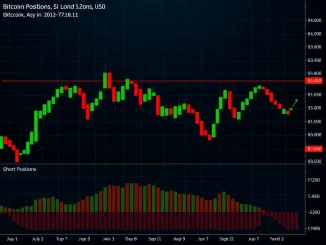
The cryptocurrency world experienced a sudden jolt. In just one hour, major exchanges reported a staggering **crypto futures liquidation** totaling $108 million. This rapid downturn left many traders reeling. Furthermore, the past 24 hours saw an even larger sum. A monumental $19.204 billion worth of futures contracts were liquidated across the global **cryptocurrency market**. This event highlights the inherent risks and extreme **market volatility** present in digital asset trading.
Understanding the Mechanics of Futures Liquidation
Many investors wonder what **futures liquidation** truly means. Essentially, it occurs when a trader’s leveraged position is forcibly closed by an exchange. This happens because the trader’s margin balance falls below the maintenance margin requirement. Traders use leverage to amplify their potential gains. However, leverage also magnifies losses. A small price movement against a highly leveraged position can quickly deplete the margin. Consequently, the exchange steps in to prevent further losses. They close the position automatically. This protects both the exchange and the trader from greater debt. It is a critical risk management tool in futures trading.
For instance, if you open a 10x leveraged long position on Bitcoin, a 10% price drop means a 100% loss of your initial margin. The exchange liquidates your position. This prevents your account balance from becoming negative. This recent event saw many such scenarios play out simultaneously. Such large-scale liquidations often trigger further price drops. This creates a cascading effect across the **cryptocurrency market**.
The Immediate Impact of Massive Crypto Futures Liquidation
The numbers speak volumes about the scale of the recent event. A $108 million **crypto futures liquidation** in sixty minutes is significant. This indicates a swift and substantial price swing. Moreover, the 24-hour figure of $19.204 billion paints a broader picture. It shows sustained pressure on leveraged positions. This figure includes various cryptocurrencies. However, large-cap assets like **Bitcoin futures** typically account for a substantial portion. Traders holding these positions faced substantial losses. This immediate impact can cause widespread panic. It also leads to further selling pressure.
Analysts are now examining the specific triggers. A sudden market correction or a major news event often precedes such liquidations. This particular hour saw a sharp downward movement in key assets. This movement breached critical support levels. As a result, many stop-loss orders activated. This further accelerated the price decline. It created a perfect storm for leveraged positions. The swiftness of the liquidation caught many off guard. It underscores the rapid nature of crypto price movements.
Why Such Extreme Market Volatility Occurs
The **cryptocurrency market** is known for its **market volatility**. Several factors contribute to these sharp price swings. Unlike traditional markets, crypto operates 24/7. This means price action can happen at any time. Regulatory news can also play a major role. Positive or negative announcements can trigger immediate reactions. Furthermore, whale activity often influences prices. Large holders moving significant amounts of crypto can shift sentiment. Technical analysis also contributes. When key support levels break, automated trading systems often execute sell orders. This amplifies downward pressure.
Moreover, the interconnectedness of crypto assets means one major coin’s movement affects others. If **Bitcoin futures** experience a sharp decline, altcoins often follow. This domino effect exacerbates overall **market volatility**. Liquidity also plays a part. Some smaller markets may not have enough depth to absorb large buy or sell orders. This leads to more dramatic price changes. The combination of these elements creates an environment prone to sudden liquidations.
Navigating the Cryptocurrency Market: Lessons for Traders
These large-scale liquidations offer crucial lessons for traders in the **cryptocurrency market**. Firstly, managing risk is paramount. Using appropriate leverage levels is essential. Over-leveraging significantly increases the risk of liquidation. Secondly, understanding stop-loss orders helps. These orders automatically close a position at a predetermined price. They limit potential losses. However, in highly volatile markets, ‘slippage’ can occur. This means the order might execute at a worse price than intended.
Diversification also offers protection. Spreading investments across different assets reduces exposure to single asset volatility. Furthermore, staying informed about market news is vital. Economic indicators, regulatory updates, and geopolitical events all influence crypto prices. Traders must adopt a disciplined approach. Emotional decisions often lead to poor outcomes. These principles help mitigate risks. They promote more sustainable trading strategies in a volatile environment.
The Future Outlook for Bitcoin Futures and Crypto Trading
Despite the recent **crypto futures liquidation**, the underlying technology remains robust. Institutions continue to explore blockchain applications. Retail interest also remains strong. However, events like these remind participants of the risks. They emphasize the need for caution. Regulators globally are also increasing their scrutiny. They aim to create a safer trading environment. This might lead to new rules. These rules could impact leverage limits or trading practices.
The long-term trajectory of the **cryptocurrency market** remains subject to debate. Some analysts predict continued growth. Others foresee more consolidation and maturity. For **Bitcoin futures** and other derivatives, demand will likely persist. They offer tools for hedging and speculation. However, traders must adapt to changing market conditions. They must prioritize sound risk management. This ensures they can navigate future periods of intense **market volatility**. The recent $108 million liquidation serves as a stark reminder of these dynamics.
Conclusion: Adapting to Rapid Market Shifts
The recent **crypto futures liquidation** event, with $108 million vanishing in an hour and $19.204 billion over 24 hours, underscores the dynamic nature of the digital asset space. This level of **market volatility** is not uncommon in the **cryptocurrency market**, particularly for leveraged positions. Traders using **Bitcoin futures** and other derivatives must prioritize robust risk management strategies. Understanding the mechanisms of liquidation, setting appropriate stop-losses, and avoiding excessive leverage are critical for survival. As the market evolves, adaptability and informed decision-making will define success. These events serve as powerful lessons, reinforcing the need for caution and preparedness in this exciting yet unpredictable financial frontier.
Frequently Asked Questions (FAQs)
1. What exactly is crypto futures liquidation?
Crypto futures liquidation is the forced closure of a trader’s leveraged position by an exchange. This occurs when the trader’s margin balance drops below the required maintenance level. The exchange closes the position to prevent further losses for both the trader and the platform.
2. Why did $108 million worth of futures liquidate in one hour?
A sudden and sharp price movement against leveraged positions typically triggers such rapid liquidations. When prices move quickly in an unfavorable direction, many stop-loss orders are hit, and margin calls are activated simultaneously, leading to a cascade of forced closures.
3. How does market volatility contribute to these liquidations?
High market volatility means prices can change dramatically and quickly. For leveraged positions, even small adverse price movements can lead to a complete loss of margin, triggering liquidation. The faster the price moves, the more likely liquidations will occur on a large scale.
4. Are Bitcoin futures more prone to liquidation than other crypto futures?
Bitcoin futures often see high trading volumes and open interest. Because Bitcoin is the largest cryptocurrency, its price movements can significantly impact the broader market. Consequently, large movements in Bitcoin’s price can trigger substantial liquidations in Bitcoin futures, often affecting other crypto futures as well.
5. What can traders do to avoid futures liquidation?
Traders can implement several strategies: use lower leverage, set appropriate stop-loss orders, maintain sufficient margin in their accounts, and avoid over-exposing themselves to single assets. Understanding market conditions and managing risk are crucial.
6. What is the difference between liquidation and a margin call?
A margin call is a notification from the broker or exchange that you need to deposit additional funds to meet the margin requirement. If you fail to add funds, the position will then face liquidation. Liquidation is the actual forced closing of the position, while a margin call is the warning that precedes it.