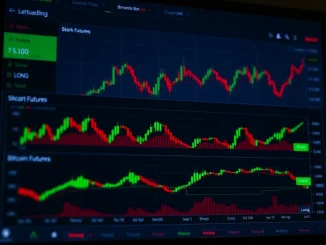
The cryptocurrency market experienced a notable shift today. Specifically, the **Bitcoin price** has fallen below a key psychological level. This development has captured the attention of investors and analysts alike. Data from Coin Pulse market monitoring confirms this significant movement. The leading digital asset, BTC, is now trading at $117,976.08 on the Binance USDT market. This recent decline marks a critical point for the broader **BTC market** landscape.
Understanding the Recent Bitcoin Price Action
Bitcoin, often seen as a bellwether for the entire cryptocurrency sector, has shown a distinct downward trend. This particular movement below $118,000 is more than just a number. Instead, it reflects shifting market dynamics. Historically, price points like these can trigger various investor reactions. Many traders watch such levels closely for potential support or resistance. The current **Bitcoin price** reflects immediate selling pressure. Therefore, understanding the context behind this drop is essential for all market participants.
Several factors typically influence cryptocurrency movements. These can include macroeconomic indicators and regulatory news. Additionally, large institutional trades often play a role. The current dip suggests a combination of these elements. Investors are carefully assessing the situation. They are looking for signs of stabilization or further decline. This recent price action provides a clear signal. It indicates a period of heightened caution within the **BTC market**.
Analyzing the Cryptocurrency Dip: What Caused the Fall?
A **cryptocurrency dip** like this rarely happens in isolation. Many potential catalysts can contribute to such a significant price reduction. Firstly, broader macroeconomic concerns often impact risk assets. Inflation data or interest rate decisions can push investors towards safer havens. Secondly, specific news related to regulations can create uncertainty. Governments globally are still developing frameworks for digital assets. Any negative news can trigger sell-offs. Thirdly, large sell orders from institutional holders or whales can exert downward pressure. These large transactions can move the market quickly. Finally, technical indicators often play a role. If key support levels are broken, automated trading systems may initiate further selling. Consequently, the price can accelerate its decline.
Market participants are now scrutinizing various data points. They aim to identify the primary drivers behind this latest **cryptocurrency dip**. Volume metrics and order book activity provide clues. Furthermore, sentiment indicators, such as the Fear & Greed Index, show increased fear. This collective sentiment often exacerbates price movements. Therefore, a multi-faceted approach is necessary to understand the full picture. The market remains highly reactive to both internal and external stimuli.
Navigating Market Volatility in Digital Assets
The current **market volatility** highlights an inherent characteristic of **digital assets**. Price swings, both upwards and downwards, are common. For investors, managing risk becomes paramount during these periods. Diversification across different cryptocurrencies can mitigate some risks. However, Bitcoin’s dominance means its movements often affect altcoins. Furthermore, employing stop-loss orders can protect capital from significant losses. Education is also key. Understanding market cycles and historical patterns helps investors make informed decisions. This approach reduces emotional trading. Ultimately, patience and a long-term perspective often serve investors well in volatile markets.
The fluctuating nature of the **BTC market** requires constant vigilance. Traders and investors must adapt their strategies. Short-term traders might seek opportunities in the price swings. Conversely, long-term holders might view dips as buying opportunities. However, each approach carries its own set of risks. Monitoring global economic news is crucial. It helps anticipate potential impacts on cryptocurrency valuations. Staying informed is the best defense against unpredictable **market volatility**.
The Broader Impact on Digital Assets and Future Outlook
When Bitcoin experiences a significant price movement, the ripple effect across other **digital assets** is often immediate. Altcoins typically follow BTC’s lead. This correlation means a **cryptocurrency dip** in Bitcoin can lead to similar declines elsewhere. Investors in Ethereum, Solana, and other major cryptocurrencies will feel the impact. This interconnectedness underscores Bitcoin’s foundational role. It acts as a primary benchmark for the entire crypto ecosystem. Therefore, monitoring Bitcoin’s recovery is vital for the broader market’s health.
Looking ahead, several factors will influence the future trajectory of **digital assets**. Regulatory clarity remains a significant concern. Positive developments could boost confidence. Conversely, restrictive measures could suppress growth. Institutional adoption also continues to be a key driver. More companies and financial institutions entering the space could provide stability. Furthermore, technological advancements within blockchain networks themselves will play a role. These innovations can enhance utility and demand. The path forward for the **BTC market** involves navigating these complex interactions. Investors should prepare for continued evolution and potential shifts. This ongoing development makes the space dynamic and engaging for many.
Conclusion: Staying Informed Amidst Bitcoin Price Swings
The recent fall of the **Bitcoin price** below $118,000 serves as a powerful reminder. The cryptocurrency market is dynamic and unpredictable. While such dips can be concerning, they are also a normal part of its evolution. Investors should prioritize thorough research and a well-defined strategy. Understanding the factors driving **market volatility** is crucial. Moreover, staying updated on market news and expert analysis helps in making rational decisions. The long-term potential of **digital assets** remains a topic of considerable debate. However, short-term fluctuations demand careful consideration. Vigilance and informed choices are essential for navigating the complex world of cryptocurrency. The **BTC market** continues to evolve, presenting both challenges and opportunities.
Frequently Asked Questions (FAQs)
Q1: What does it mean when Bitcoin falls below a certain price point?
A1: When Bitcoin falls below a specific price point, especially a round number like $118,000, it often indicates a break of a psychological or technical support level. This can trigger further selling as traders’ stop-loss orders are activated or as market sentiment turns more bearish. It signals increased selling pressure and a shift in the immediate market trend.
Q2: How does Bitcoin’s price drop affect other cryptocurrencies?
A2: Bitcoin’s price movements often significantly influence the broader cryptocurrency market. When Bitcoin experiences a notable drop, many altcoins tend to follow suit, often with even greater percentage declines due to their higher volatility. This is because Bitcoin is the largest cryptocurrency by market capitalization and serves as a primary benchmark for the entire digital asset space.
Q3: What are some common reasons for a cryptocurrency dip?
A3: A cryptocurrency dip can result from various factors. These include negative macroeconomic news (e.g., inflation, interest rate hikes), regulatory crackdowns or uncertainty, large sell-offs by whales or institutional investors, technical chart patterns indicating a reversal, security breaches, or negative news specific to the crypto industry.
Q4: Should investors panic when the Bitcoin price drops?
A4: Panicking is generally not advised during market downturns. Instead, investors should rely on their pre-defined investment strategy. It is important to avoid emotional decisions. Many experienced investors view dips as potential buying opportunities. Others use them to re-evaluate their portfolios. Thorough research and a long-term perspective are crucial during periods of market volatility.
Q5: How can investors protect themselves from market volatility?
A5: Investors can employ several strategies to mitigate risks from market volatility. These include diversifying their portfolios across different digital assets, investing only what they can afford to lose, setting stop-loss orders to limit potential losses, and conducting thorough due diligence before making investment decisions. Staying informed about market news and trends is also vital.