The digital landscape consistently evolves. Today, Web3 platforms are reshaping how creators and fans interact. A significant development comes from Alt.town, a pioneering Web3 fandom platform. It has recently integrated its native TOWN token, marking a crucial step in digital engagement and crypto payments. This update promises to enhance the entire creator economy, offering new avenues for interaction and value exchange.
Alt.town Integrates TOWN Token for Seamless Transactions
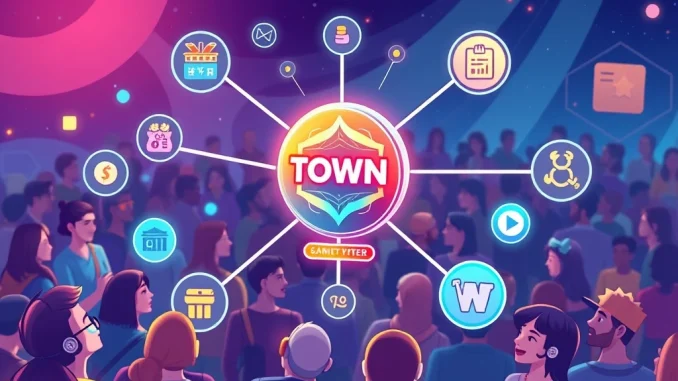
Alt.town has significantly updated its service. It now integrates its native token, TOWN, as a direct means of exchange and payment. This move was reported by the Maeil Business Newspaper on September 29. Furthermore, the platform announced the launch of a deposit event, encouraging early adoption and participation.
Following this update, users can exchange TOWN tokens for KEY. KEY represents the platform’s internal points. These points hold vital utility within the Alt.town ecosystem. They allow users to trade creator tokens, known as DNA. Celebrities and content creators issue these unique DNA tokens. Moreover, KEY points facilitate payments for various types of content available on the platform.
The integration streamlines the payment process. It also deepens the utility of the TOWN token. This creates a more cohesive and self-sustaining economic model within the platform.
Empowering the Web3 Fandom Platform and Creator Economy
This integration significantly strengthens Alt.town’s position as a leading Web3 fandom platform. By leveraging blockchain technology, Alt.town empowers creators directly. It offers them new ways to monetize their content and connect with their fanbase. Fans, in turn, gain more direct and transparent ways to support their favorite artists and celebrities.
The creator economy benefits immensely from such innovations. Traditional platforms often impose high fees and strict policies. However, Web3 platforms like Alt.town aim to decentralize control. They give more power and revenue back to the creators themselves. The ability to use the TOWN token for direct payments reduces intermediaries. Consequently, it can lead to fairer distribution of value.
Key benefits of this integration include:
- Direct Monetization: Creators can directly receive value for their content.
- Enhanced Fan Engagement: Fans use TOWN and KEY to access exclusive content and creator tokens.
- Decentralized Control: The blockchain framework promotes transparency and fairness.
- New Economic Opportunities: The deposit event encourages token adoption and platform growth.
The Vision Behind Alt.town: Leadership and Innovation
Alt.town is not just another Web3 project. It operates under the leadership of BitBlue. Ju Sang-sik founded BitBlue. He previously served as the Chief Technology Officer (CTO) of SM Entertainment. This background provides Alt.town with significant industry expertise and a deep understanding of the entertainment sector.
Sang-sik’s experience at SM Entertainment is invaluable. It helps in building a platform that truly understands the needs of creators and fans. This leadership ensures that Alt.town focuses on user experience and relevant features. The integration of the TOWN token reflects this commitment to innovation. It seeks to bridge traditional entertainment with cutting-edge blockchain technology.
The platform’s strategic approach combines robust technology with entertainment industry insights. This positions Alt.town uniquely in the competitive Web3 space. They aim to create a sustainable and thriving digital ecosystem for global fandoms.
Future of Crypto Payments in the Creator Economy
The move by Alt.town highlights a growing trend: the increasing adoption of crypto payments within various digital economies. As more platforms embrace native tokens, we can expect a shift in how value is exchanged online. This trend extends beyond fandom into gaming, art, and various other sectors of the creator economy.
The use of a native token like TOWN offers several advantages. It can facilitate faster transactions. It may also reduce fees compared to traditional payment gateways. Furthermore, it creates a unique economic loop within the platform itself. This incentivizes participation and investment in the ecosystem.
However, challenges remain. These include regulatory uncertainties and user education. Platforms must prioritize security and user-friendliness. This ensures broader adoption. Alt.town’s commitment to these aspects will be crucial for its long-term success. The platform continues to pave the way for a more decentralized and creator-centric digital future.
In conclusion, Alt.town’s integration of the TOWN token marks a pivotal moment for the Web3 fandom platform. It strengthens its ecosystem and offers tangible benefits to both creators and fans. This development further solidifies the role of crypto payments in shaping the future of the digital creator economy.
Frequently Asked Questions (FAQs)
What is Alt.town?
Alt.town is a Web3 fandom platform. It allows creators to interact with fans and monetize content using blockchain technology. It provides a unique space for digital engagement.
What is the TOWN token used for?
The TOWN token is Alt.town’s native cryptocurrency. Users can exchange it for KEY, the platform’s internal points. These points facilitate trading creator tokens (DNA) and paying for content.
How do KEY and DNA tokens function within Alt.town?
KEY tokens are internal points obtained by exchanging TOWN tokens. They are essential for transactions. DNA tokens are creator-issued tokens, representing unique digital assets or fan experiences, which users can trade using KEY.
Who founded BitBlue, the company behind Alt.town?
BitBlue was founded by Ju Sang-sik. He previously served as the Chief Technology Officer (CTO) of SM Entertainment. His leadership brings significant entertainment industry expertise to the platform.
What benefits does this integration bring to the creator economy?
The integration offers direct monetization opportunities for creators. It enhances fan engagement through unique digital assets. Furthermore, it promotes a more decentralized and transparent economic model, benefiting the broader creator economy by reducing intermediaries.