The cryptocurrency world often operates at the intersection of innovation and traditional power structures. Recent reports from The Wall Street Journal highlight a significant development. The **Winklevoss brothers**, prominent figures in the crypto space and founders of the **Gemini exchange**, appear to wield considerable influence in Washington. This influence has reportedly led to the stalling of a crucial U.S. Commodity Futures Trading Commission (CFTC) confirmation. This incident underscores the growing political engagement of major crypto players.
Winklevoss Brothers and the Stalled CFTC Confirmation
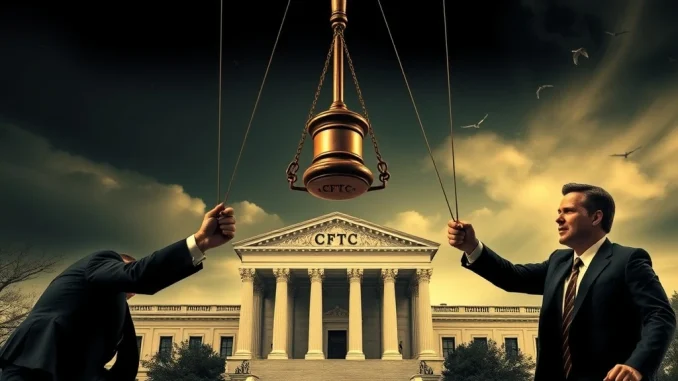
Reports indicate that the **Winklevoss brothers** have been strong supporters of former U.S. President Donald Trump. Their political connections seem to be impacting regulatory processes. Specifically, a Senate committee overseeing the **CFTC confirmation** hearing for Brian Quintenz was unexpectedly canceled. This cancellation followed a request directly from the White House, according to the Wall Street Journal.
Significantly, this development occurred shortly after the Winklevoss brothers contacted President Trump. They had a recent disagreement with Quintenz. This sequence of events suggests a direct link between their outreach and the subsequent postponement of the hearing. The brothers are well-known for their advocacy for the crypto industry.
The Heart of the Disagreement: Gemini Exchange and Sanctions
The conflict reportedly began over a specific request involving the **Gemini exchange**. Brian Quintenz, whose confirmation was pending, rejected a request from the brothers. They reportedly asked to avoid imposing sanctions on their firm. This rejection seemingly escalated the situation. Like many other firms in the rapidly evolving sector, the Winklevoss brothers are actively seeking crypto-friendly leadership at the CFTC. They believe such leadership is vital for the industry’s growth.
The Commodity Futures Trading Commission (CFTC) plays a critical role in overseeing derivatives markets. These markets increasingly include crypto-related products. Therefore, the composition of its leadership holds immense importance for the future of **crypto regulation**. The brothers’ actions reflect a broader industry push for favorable regulatory environments. They want clear guidelines that support innovation.
Broader Implications for US Crypto Policy
The indefinite postponement of Quintenz’s confirmation carries significant implications for **US crypto policy**. It suggests that high-profile crypto figures can directly impact government appointments. This level of influence is relatively new for the nascent cryptocurrency industry. It highlights a maturing landscape where lobbying and political engagement are becoming standard practice. Furthermore, it raises questions about the transparency and fairness of regulatory appointment processes. The industry needs stability and clear rules.
The Winklevoss brothers’ actions are not isolated. Many crypto industry leaders are actively engaging with lawmakers. They aim to shape the regulatory narrative. This engagement often involves advocating for policies that foster innovation while protecting consumers. The outcome of such efforts will undoubtedly shape how digital assets are treated in the United States. It will also affect how they are integrated into the broader financial system.
Navigating the Regulatory Landscape
The crypto industry faces a complex and often uncertain regulatory landscape. Firms like **Gemini exchange** must navigate various federal and state rules. These regulations cover everything from anti-money laundering (AML) to consumer protection. The desire for ‘crypto-friendly’ leadership stems from a need for regulatory clarity and consistency. Ambiguous rules can stifle innovation and create operational challenges. Moreover, inconsistent enforcement can lead to market instability.
The CFTC is one of several key agencies impacting crypto. Others include the Securities and Exchange Commission (SEC) and the Treasury Department. Each agency approaches digital assets from a different perspective. This multi-agency oversight creates a fragmented regulatory environment. Industry players often find this challenging. Therefore, securing favorable leadership in any of these bodies is a strategic priority. It can significantly influence future directives.
The Future of Crypto Regulation and Influence
This incident involving the **Winklevoss brothers** sets a precedent. It demonstrates the growing political power of well-resourced crypto entrepreneurs. As the digital asset market expands, so too will its political footprint. The industry will likely continue to invest heavily in lobbying efforts. It will also seek to cultivate relationships with key decision-makers. This proactive approach aims to ensure that future **crypto regulation** supports, rather than hinders, growth.
The ongoing debate around appropriate oversight for digital assets remains central. Some advocate for light-touch regulation to encourage innovation. Others emphasize robust frameworks to mitigate risks. The stalled **CFTC confirmation** hearing serves as a stark reminder. The future of crypto policy is not solely determined by legislative bodies. It is also shaped by the influence of powerful industry stakeholders. Their engagement will define the next era of digital finance.
The **Winklevoss brothers** have long been proponents of mainstream adoption for cryptocurrencies. Their efforts often involve bridging the gap between traditional finance and digital assets. This recent episode illustrates their commitment to this mission. They are actively working to influence the regulatory framework. Their goal is to create an environment where crypto businesses can thrive. This strategy includes advocating for specific personnel in key government roles.
FAQs on Winklevoss Brothers and CFTC Confirmation
Q1: Who are the Winklevoss brothers?
A1: Tyler and Cameron Winklevoss are American identical twin investors and entrepreneurs. They are famously known for their legal dispute with Mark Zuckerberg over Facebook’s creation. They later became prominent figures in the cryptocurrency space, co-founding the Gemini cryptocurrency exchange.
Q2: What is the CFTC, and why is its leadership important for crypto?
A2: The U.S. Commodity Futures Trading Commission (CFTC) is an independent agency of the U.S. government. It regulates the U.S. derivatives markets, including futures, swaps, and certain digital assets. Its leadership is crucial for crypto because it sets policies and enforcement actions that directly impact how cryptocurrencies are classified, traded, and regulated in the United States.
Q3: What was the reported disagreement between the Winklevoss brothers and Brian Quintenz?
A3: According to The Wall Street Journal, the disagreement stemmed from Quintenz rejecting a request from the Winklevoss brothers. They reportedly asked him to avoid imposing sanctions on their firm, Gemini exchange. This conflict occurred shortly before Quintenz’s CFTC confirmation hearing was postponed.
Q4: How did the Winklevoss brothers reportedly influence the CFTC confirmation?
A4: The Wall Street Journal reported that a Senate committee canceled Brian Quintenz’s confirmation hearing following a request from the White House. This cancellation happened shortly after the Winklevoss brothers, who had a recent disagreement with Quintenz, contacted President Trump. This suggests their influence played a role in the stalled confirmation.
Q5: What are the broader implications of this event for US crypto policy?
A5: This event highlights the growing political influence of major crypto industry players like the Winklevoss brothers. It suggests that their lobbying efforts and political connections can directly impact regulatory appointments and the direction of US crypto policy. This could lead to a more industry-friendly regulatory environment or increased scrutiny of such influence.