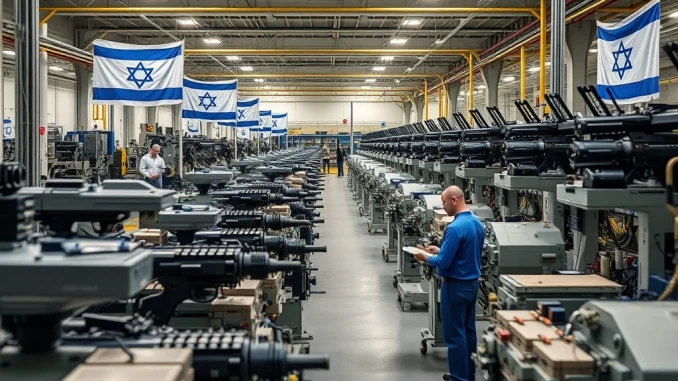
In a significant declaration, Israeli Prime Minister Benjamin Netanyahu has announced a strategic initiative. He stated that Israel will establish an independent arms industry. This ambitious plan aims to bolster the nation’s defense capabilities. It also seeks to ensure resilience against potential international sanctions. The announcement coincides with escalating tensions in the region. Specifically, it follows Israel’s official declaration of a ground operation. This operation aims to seize control of Gaza City, the main urban center in the northern Gaza Strip. This development marks a pivotal moment for Israel’s security and its long-term strategic posture. The move underscores a deeper commitment to national self-reliance.
Why Israel Seeks Independent Arms Production
Israel’s pursuit of independent arms production stems from a complex array of geopolitical factors. Historically, Israel has relied heavily on foreign military aid and imports. However, the global landscape is constantly shifting. Concerns over the reliability of supply chains and potential future embargoes have grown. Therefore, developing a robust domestic arms industry becomes paramount. This ensures a steady supply of essential defense equipment. It also reduces vulnerability to external pressures. Furthermore, a self-sufficient defense sector provides strategic autonomy. It allows Israel to tailor its military capabilities precisely to its unique security challenges. This includes threats from state and non-state actors in the region. The goal is to safeguard national interests without compromise.
The move towards self-reliance is not new. Many nations prioritize domestic defense manufacturing. Yet, Israel’s announcement carries particular weight. It reflects a heightened sense of urgency. The current conflict in Gaza further highlights the need for uninterrupted access to advanced weaponry. Ultimately, this strategic shift aims to secure Israel’s future defense. It will strengthen its ability to protect its borders and citizens. This long-term vision seeks to solidify Israel’s position as a regional military power.
Netanyahu’s Defense Vision: A Strategic Imperative
Prime Minister Benjamin Netanyahu’s vision for Israel’s defense is clear. He aims for complete strategic independence. His recent statement emphasizes building an arms industry capable of weathering any storm. This includes potential future international sanctions. Netanyahu envisions a robust, innovative defense sector. It will produce cutting-edge weaponry and military technology. This strategic imperative is deeply rooted in Israel’s history. The nation has often faced isolation. Consequently, self-sufficiency has become a core principle. The plan extends beyond just manufacturing. It also encompasses research and development. Investing in advanced defense technologies is crucial. It ensures Israel maintains a qualitative military edge. This vision supports long-term national security goals. It reinforces Israel’s capacity to act decisively in its own defense.
Netanyahu’s administration believes this independence is vital. It allows Israel to pursue its security objectives unimpeded. This proactive approach aims to deter potential adversaries. It also assures allies of Israel’s unwavering commitment to its own protection. The focus is on creating a defense ecosystem. This ecosystem will be self-sustaining and globally competitive. It will also foster domestic innovation and create high-tech jobs. This dual benefit makes the initiative strategically and economically attractive.
The Gaza Ground Operation: Immediate Context
The declaration regarding an independent arms industry arrives amidst a critical period. Israel has officially initiated a Gaza ground operation. This military action targets Gaza City. It represents a significant escalation in the ongoing conflict. The ground operation underscores the immediate need for military resources. It also highlights the strategic importance of defense readiness. The timing of Netanyahu’s announcement is therefore noteworthy. It suggests a direct link between current operational needs and long-term strategic planning. While specific details of the operation remain fluid, its intensity is clear. Israeli forces are engaged in complex urban warfare. This requires a continuous supply of specialized equipment and ammunition. The conflict serves as a stark reminder. Access to military hardware cannot be taken for granted. Thus, the drive for domestic production gains even greater urgency. It ensures Israel can sustain its military campaigns effectively.
The ground operation’s objectives are clear: dismantle militant infrastructure and ensure the safety of Israeli citizens. Such an undertaking demands immense logistical support. It also requires advanced weaponry. Therefore, securing an uninterrupted supply chain is paramount. The decision to pursue an independent arms industry directly addresses this vulnerability. It prepares Israel for sustained military efforts. It also fortifies its strategic position in a volatile region. This move reflects a proactive stance on national security.
Navigating International Sanctions: A Proactive Stance
The explicit mention of withstanding international sanctions reveals a key motivation. Israel’s defense policy often faces scrutiny. Global political shifts can lead to calls for arms embargoes. Such measures could severely impact Israel’s ability to defend itself. Therefore, building a self-sufficient arms industry acts as a crucial safeguard. It insulates the nation from external political pressures. This proactive stance ensures military readiness. It prevents any nation or bloc from dictating Israel’s defense capabilities. Historically, arms embargoes have been used as political tools. Israel seeks to neutralize this potential threat. By developing its own production capabilities, Israel secures its sovereignty. It guarantees its right to self-defense. This strategic foresight aims to prevent future vulnerabilities.
This approach involves significant investment. It requires technological expertise and robust infrastructure. However, the long-term benefits outweigh the initial costs. Economic independence in defense provides unparalleled security. It fosters national resilience. Furthermore, it could open new avenues for arms exports. This would generate revenue and strengthen diplomatic ties. The goal is to build a defense industrial base. This base will be robust enough to withstand any form of international pressure. It will ensure Israel’s military strength remains uncompromised.
Building Israel’s Arms Industry: Economic and Technological Impact
Establishing a comprehensive Israel arms industry will have profound economic and technological impacts. Economically, it promises job creation. These jobs will be in high-tech manufacturing, engineering, and research. It will also stimulate growth in related sectors. This includes metallurgy, electronics, and software development. Technologically, it fosters innovation. It drives advancements in defense science and engineering. This domestic focus encourages local talent development. It also reduces reliance on foreign intellectual property. Consequently, Israel can develop unique defense solutions. These solutions will be tailored to its specific operational environment. This fosters a cycle of innovation and expertise. The industry will likely focus on areas where Israel already excels. These include cybersecurity, drone technology, and missile defense systems. This strategic investment positions Israel as a leader in defense innovation.
The development of this industry will also enhance national security. It ensures a reliable supply of critical military assets. Moreover, it strengthens the country’s technological sovereignty. This means Israel will control its own defense future. It will not depend on external powers. This self-reliance is a cornerstone of national resilience. It enables Israel to adapt quickly to evolving threats. It also maintains its competitive edge in military technology. This initiative represents a long-term commitment. It is a commitment to both national security and economic prosperity.
In conclusion, Prime Minister Netanyahu’s announcement marks a significant strategic pivot. Israel is moving towards greater self-reliance in defense. The plan to build an independent arms industry is ambitious. It addresses immediate security concerns. It also aims to fortify Israel against future geopolitical challenges. This includes the potential for international sanctions. The ongoing Gaza ground operation underscores the urgency of this initiative. This strategic shift promises to reshape Israel’s defense landscape. It will enhance its economic and technological capabilities. Ultimately, it seeks to secure the nation’s sovereignty and long-term stability.
Frequently Asked Questions (FAQs)
Q1: What is the main goal of Israel’s independent arms industry initiative?
A1: The primary goal is to achieve strategic autonomy in defense. This involves producing essential military equipment domestically. It aims to reduce reliance on foreign suppliers and withstand potential international sanctions.
Q2: How will this initiative impact Israel’s economy?
A2: It is expected to create jobs in high-tech sectors. It will also stimulate growth in related industries. Furthermore, it fosters domestic innovation and strengthens technological sovereignty.
Q3: What role do international sanctions play in this decision?
A3: The threat of international sanctions is a significant motivator. Building a domestic arms industry aims to insulate Israel from external political pressures. It ensures an uninterrupted supply of defense assets.
Q4: Is this move related to the current Gaza ground operation?
A4: While a long-term strategic goal, the announcement’s timing is notable. The ongoing Gaza ground operation highlights the immediate need for defense resources. It underscores the importance of a reliable, independent supply chain.
Q5: What types of arms will Israel likely focus on producing?
A5: Israel will likely focus on areas where it already has expertise. This includes cybersecurity, drone technology, missile defense systems, and advanced precision weaponry. The goal is to maintain a qualitative military edge.