The decentralized finance (DeFi) landscape constantly evolves. Therefore, projects frequently introduce innovative strategies to enhance token value and community engagement. WorldLibertyFinancial (WLFI) recently introduced a significant governance proposal. This proposal centers on a strategic **WLFI token buyback** and burn mechanism. It aims to allocate 100% of its protocol-owned liquidity (POL) fees towards this initiative.
Understanding the WLFI Token Buyback Proposal
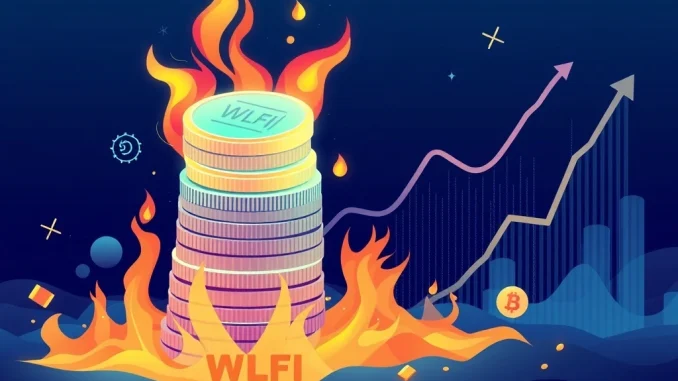
WorldLibertyFinancial (WLFI) has put forth a groundbreaking governance proposal. Specifically, this proposal seeks to redirect all of its generated protocol liquidity fees. These fees, currently held as protocol-owned liquidity, would instead fund a continuous token buyback and burn program. This move marks a significant shift in WLFI’s economic model. Furthermore, it directly impacts the long-term value proposition for token holders.
The community has shown strong support for this initiative. Voting on the proposal will conclude on September 19. As of now, it boasts an impressive approval rate of 99.6%. This near-unanimous backing suggests a collective belief in the proposal’s potential benefits. Consequently, the implementation of this strategy could redefine WLFI’s tokenomics.
How Protocol Liquidity Fees Drive Value
Protocol liquidity fees are a vital component of many decentralized finance platforms. These fees are typically generated from trading activities, lending, or other financial operations within a protocol. For WLFI, these fees represent a substantial resource. Historically, they contribute to the protocol’s treasury or support various operational costs. However, this new proposal reallocates their purpose entirely.
By dedicating 100% of these fees to a **WLFI token buyback** and burn, the protocol directly invests in its native asset. This action creates a continuous demand for WLFI tokens. Moreover, it reduces the overall circulating supply. This strategy aims to foster a more robust and sustainable economic ecosystem for WorldLibertyFinancial. Thus, the community’s decision will have lasting effects.
Decoding Crypto Buyback and Burn Mechanisms
The concept of crypto buyback and burn is a popular tokenomics strategy in the blockchain space. It involves two primary actions:
- Buyback: The protocol uses its generated revenue (in this case, protocol liquidity fees) to purchase its native tokens from the open market. This process creates buying pressure.
- Burn: The purchased tokens are then permanently removed from circulation. This is typically done by sending them to an unspendable address, often called a ‘burn address.’ This action reduces the total supply.
Together, these actions aim to make the remaining tokens more valuable. A reduced supply, coupled with consistent demand from the buyback mechanism, often leads to price appreciation. Therefore, many projects adopt this model to reward long-term holders and enhance token scarcity. This strategy aligns WLFI with other successful DeFi protocols employing similar mechanisms.
Impact on WLFI Governance and Community Engagement
The ongoing vote highlights the importance of WLFI governance. In decentralized autonomous organizations (DAOs), token holders possess the power to shape the protocol’s future. This proposal serves as a clear example of community-driven decision-making. A high approval rate indicates strong consensus among WLFI token holders. Consequently, this strengthens the project’s decentralized nature.
Effective governance ensures that the protocol evolves in line with its community’s interests. The outcome of this vote will determine a fundamental aspect of WLFI’s economic policy. Furthermore, it sets a precedent for future proposals. This participatory approach is a cornerstone of the DeFi ethos. It empowers users to directly influence their investments.
The Broader Picture: DeFi Tokenomics Strategies
The **WLFI token buyback** proposal fits within the broader context of DeFi tokenomics. Protocols employ various strategies to create sustainable economies. These include:
- Staking: Users lock tokens to support network operations and earn rewards.
- Yield Farming: Participants provide liquidity to pools and earn fees or new tokens.
- Fee Distribution: Protocol fees are distributed directly to token holders.
- Buyback and Burn: As seen with WLFI, this reduces supply and creates demand.
Each strategy has unique benefits and risks. However, buyback and burn has gained traction for its direct impact on token scarcity. It provides a clear, measurable way to return value to token holders. Ultimately, WLFI’s choice reflects a strategic decision to prioritize long-term value accretion through supply-side economics. This move could position WLFI competitively within the DeFi space.
Potential Benefits and Considerations
Implementing a 100% **WLFI token buyback** and burn program offers several potential benefits. Firstly, it creates deflationary pressure on the WLFI token supply. This can lead to increased scarcity. Secondly, it provides a consistent buying demand, potentially stabilizing or increasing the token’s price. Thirdly, it aligns the interests of the protocol with its token holders. This fosters greater community loyalty.
However, it is also important to consider potential implications. The success of this strategy relies on the consistent generation of sufficient protocol liquidity fees. If fee generation fluctuates, the impact of the buyback might lessen. Nevertheless, the overwhelming support for the proposal suggests confidence in WLFI’s ability to maintain and grow its fee generation. This strategy is a testament to WLFI’s commitment to sustainable growth.
Conclusion
WorldLibertyFinancial’s proposal to dedicate 100% of its protocol liquidity fees to a **WLFI token buyback** and burn program represents a significant development. This strategic move, supported by nearly unanimous community approval, could profoundly impact WLFI’s tokenomics and long-term value. As the vote concludes, the DeFi community watches keenly. The outcome will likely influence future strategies within the decentralized finance ecosystem, setting a new standard for how protocols manage their resources and reward their communities.
Frequently Asked Questions (FAQs)
Q1: What is the core of WLFI’s new governance proposal?
A1: The proposal suggests using 100% of WorldLibertyFinancial’s protocol-owned liquidity (POL) fees for a continuous WLFI token buyback and permanent burn program.
Q2: What is the purpose of a crypto buyback and burn mechanism?
A2: A buyback and burn mechanism aims to reduce the circulating supply of a token. The protocol repurchases tokens from the market (buyback) and then permanently removes them (burn), potentially increasing scarcity and value.
Q3: How do protocol liquidity fees contribute to this strategy?
A3: Protocol liquidity fees are revenues generated by the platform. Under the new proposal, these fees would be directly utilized to fund the buying back of WLFI tokens from the open market before they are burned.
Q4: When does the voting on this WLFI governance proposal conclude?
A4: Voting on the WLFI governance proposal is set to conclude on September 19. It currently shows a very high approval rate from the community.
Q5: How does this proposal relate to broader DeFi tokenomics?
A5: This proposal aligns with common DeFi tokenomics strategies focused on value creation through supply reduction and demand generation. It is a method many protocols use to enhance the long-term value of their native assets within the decentralized finance ecosystem.