The cryptocurrency world often promises innovation and opportunity. However, it also presents significant risks, including the ever-present danger of a **crypto scam**. Recently, the Solana ecosystem has been shaken by severe allegations. Prominent on-chain analyst ZachXBT has accused a project named Aqua of executing a massive **Aqua rug pull**, allegedly siphoning millions from unsuspecting investors.
Unpacking the Alleged Aqua Rug Pull
On-chain analyst ZachXBT, widely respected for his investigative work in the crypto space, has brought forth serious accusations against Aqua. Aqua operated as a Telegram trading bot on the Solana blockchain. Specifically, ZachXBT alleges that the project absconded with a substantial sum of 21,770 SOL. This amount, raised from pre-sale participants, is currently valued at approximately $4.65 million. Furthermore, the analyst’s findings indicate that the project team subsequently transferred these assets. They moved them across multiple wallets and various cryptocurrency exchanges. This rapid movement of funds is a common tactic in such illicit operations.
The incident highlights a critical vulnerability within the decentralized finance (DeFi) landscape. Investors often face significant challenges when vetting new projects. Trusting anonymous teams behind promising new ventures can prove perilous. Consequently, many investors rely on the due diligence of others or the perceived innovation of a project. However, this reliance can sometimes lead to devastating losses.
Understanding the Solana Rug Pull Phenomenon
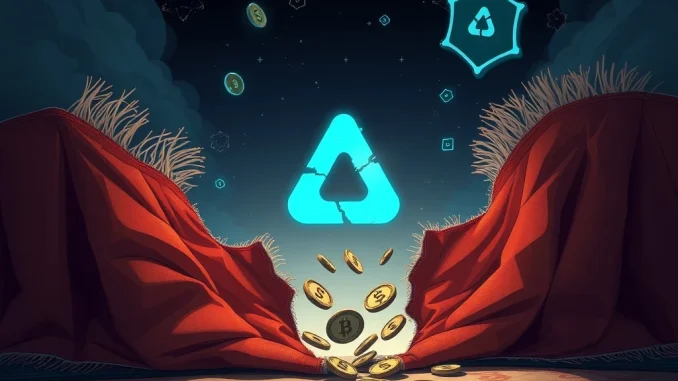
A ‘rug pull’ represents a malicious maneuver in the cryptocurrency industry. Developers of a crypto project suddenly abandon it. They withdraw all liquidity from a decentralized exchange (DEX) or siphon off investor funds. This action leaves investors with worthless tokens. The **Solana rug pull** involving Aqua reportedly follows this classic pattern. Solana, a high-performance blockchain, has seen an explosion of new projects. Unfortunately, this growth also attracts bad actors. The speed and low transaction costs of Solana can make it an attractive platform for scammers. They can quickly launch and then abandon projects, moving funds with relative ease.
Key characteristics of a rug pull include:
- **Sudden Disappearance:** The project team vanishes without explanation.
- **Liquidity Removal:** All funds are drained from the project’s liquidity pools.
- **Worthless Tokens:** Remaining tokens held by investors become valueless.
- **Lack of Transparency:** Anonymous teams and vague roadmaps often precede such scams.
This incident serves as a stark reminder. Investors must exercise extreme caution, especially when dealing with new or unaudited projects.
The Role of ZachXBT in Combating Crypto Scams
ZachXBT has become a prominent figure in the fight against **crypto scams**. His meticulous on-chain analysis often uncovers fraudulent activities. He traces illicit transactions across various blockchains. His work provides invaluable transparency in an often opaque market. In this case, ZachXBT’s swift identification of the alleged Aqua fund movements allowed for early warnings. This dedication helps protect the wider crypto community. Furthermore, his investigations often lead to law enforcement involvement, although recovery of funds remains challenging.
The analyst’s methods typically involve:
- **Transaction Tracing:** Following the flow of funds through multiple wallets.
- **Wallet Cluster Analysis:** Identifying connections between different addresses.
- **Exchange Communication:** Alerting exchanges to suspicious activity.
- **Public Reporting:** Disseminating findings to warn the community.
Such efforts are crucial for maintaining some level of integrity within the decentralized space. Without individuals like ZachXBT, many scams would go unnoticed for longer periods, causing even greater financial damage.
Navigating the Dangers of a Telegram Bot Scam
Aqua was reportedly a Telegram trading bot. This fact adds another layer of complexity and risk. **Telegram bot scam** incidents are increasingly common. Scammers leverage the popularity and accessibility of messaging apps. They create bots that promise high returns or exclusive trading advantages. These bots often serve as a front for collecting funds or personal information. They build trust through slick interfaces and convincing narratives. However, their true purpose is to defraud users.
Identifying a potential Telegram bot scam requires vigilance. Look for these red flags:
- **Unrealistic Returns:** Promises of guaranteed, high profits are almost always a scam.
- **Anonymous Developers:** Lack of identifiable team members or credible backgrounds.
- **Pressure Tactics:** Urgency to invest quickly, often with limited information.
- **Lack of Audits:** Projects without security audits from reputable firms are riskier.
- **Poorly Written Documentation:** Whitepapers or websites with grammatical errors and vague details.
Always conduct thorough research before engaging with any project, especially those promoted through social media platforms. Remember, if something seems too good to be true, it probably is.
Broader Implications for the Solana Ecosystem
The alleged Aqua rug pull represents more than just a single incident of fraud. It casts a shadow over the entire Solana ecosystem. Such high-profile scams can erode investor confidence. They deter new users and capital from entering the network. While Solana boasts impressive technological capabilities, its reputation can suffer from a perceived lack of security or oversight. Furthermore, repeated incidents may invite increased regulatory scrutiny. This scrutiny could potentially stifle innovation within the blockchain space.
Solana’s rapid growth has been a double-edged sword. It attracts legitimate innovators. However, it also draws malicious actors seeking to exploit new opportunities. The community and project developers must work collaboratively. They need to implement stronger safeguards. They also need to educate users on potential risks. Ultimately, a safer environment benefits everyone involved in the ecosystem.
Protecting Yourself from Future Crypto Scams
Preventing involvement in a **crypto scam** requires proactive measures. Education remains your strongest defense. Always conduct extensive due diligence before investing in any cryptocurrency project. Here are essential tips:
- **Research the Team:** Verify the identities and backgrounds of the project’s developers. Look for a public presence and a track record.
- **Examine the Whitepaper and Roadmap:** Ensure the project’s vision is clear, realistic, and well-articulated.
- **Check for Audits:** Reputable third-party security audits are crucial for smart contracts.
- **Assess Community Sentiment:** Join official channels, but be wary of overly enthusiastic or suspicious activity.
- **Start Small:** If you decide to invest, begin with a minimal amount you can afford to lose.
- **Diversify Your Portfolio:** Never put all your funds into a single, unproven project.
- **Use Reputable Exchanges:** Stick to well-established and regulated cryptocurrency exchanges.
- **Beware of FOMO (Fear Of Missing Out):** Scammers often exploit this psychological trigger.
The digital asset landscape evolves constantly. Therefore, staying informed about the latest scam tactics is vital for every investor. Your financial security ultimately rests on your ability to make informed decisions.
Conclusion: A Call for Vigilance in DeFi
The alleged Aqua rug pull serves as a powerful cautionary tale. It underscores the inherent risks within the fast-paced world of decentralized finance. While innovation drives the crypto market forward, vigilance must remain paramount. On-chain analysts like ZachXBT provide a critical service. They expose fraudulent activities and help protect the community. However, individual investors bear the ultimate responsibility for their own due diligence. They must remain skeptical of projects promising unrealistic returns. They also need to thoroughly research any venture before committing capital. Only through collective awareness and robust security practices can the crypto space truly mature and fulfill its potential.
Frequently Asked Questions (FAQs)
Q1: What exactly is a ‘rug pull’ in cryptocurrency?
A rug pull is a malicious maneuver where cryptocurrency developers abandon a project. They typically drain all the funds from its liquidity pools, leaving investors with worthless tokens. It is a common type of crypto scam.
Q2: How much money was allegedly lost in the Aqua Solana rug pull?
On-chain analyst ZachXBT alleges that 21,770 SOL, valued at approximately $4.65 million, was siphoned from pre-sale participants in the Aqua rug pull.
Q3: Who is ZachXBT, and what role did he play in this incident?
ZachXBT is a well-known on-chain analyst. He specializes in tracking and exposing fraudulent activities and crypto scams. He publicly alleged the Aqua rug pull and detailed the movement of the siphoned funds.
Q4: What are the risks associated with a Telegram bot scam?
Telegram bot scams often lure users with promises of high returns or exclusive trading. They typically aim to collect funds or personal information, ultimately leading to financial loss when the project or bot is abandoned by its anonymous creators.
Q5: How can I protect myself from becoming a victim of a crypto scam on platforms like Solana?
To protect yourself, always conduct thorough research on the project team, check for independent security audits, be wary of unrealistic promises, start with small investments, and never invest more than you can afford to lose. Avoid projects with anonymous teams or vague roadmaps.
Q6: Will the funds from the Aqua rug pull be recovered?
Recovering funds from crypto rug pulls and scams is extremely challenging. The funds are often quickly moved through multiple wallets and exchanges, making them difficult to trace and seize, even with on-chain analysis. Law enforcement involvement may occur, but successful recovery is rare.