Cryptocurrency investors constantly monitor global economic signals. A recent statement by a White House economic advisor has captured significant attention. This advisor expects the Federal Reserve to discuss increasing the size of its interest rate cuts. Such a move could dramatically reshape the financial landscape. It impacts everything from traditional stocks to digital assets. Understanding these potential shifts is crucial for navigating market volatility. Consequently, crypto enthusiasts and traders should pay close attention to these developments.
Federal Reserve Considers Deeper Interest Rate Cuts
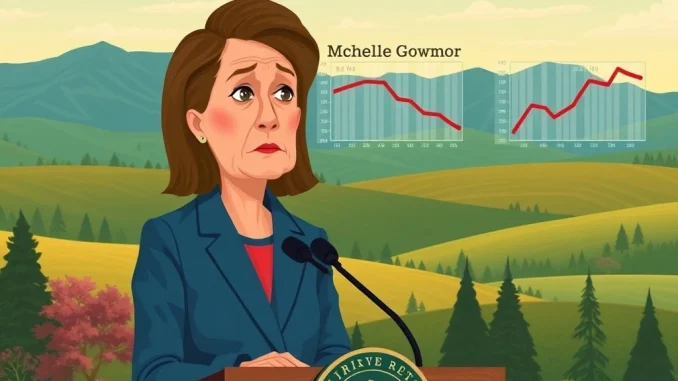
White House economic advisor Kevin Hassett recently shared a notable expectation. He anticipates the Federal Reserve will discuss more substantial reductions in interest rates. This statement signals a potential shift in the central bank’s strategy. Previously, discussions focused on the timing and frequency of cuts. Now, the emphasis might move to their magnitude. Larger cuts could provide a significant stimulus to the economy. This would represent a more aggressive approach to monetary easing. Therefore, market participants are closely analyzing Hassett’s comments. They seek to understand the implications for future Fed actions.
The Federal Reserve uses interest rates as a primary tool for managing the economy. Lowering rates typically makes borrowing cheaper. This encourages spending and investment. Conversely, higher rates curb inflation by slowing economic activity. Hassett’s remarks suggest the Fed might see a need for more pronounced intervention. This could be to bolster growth or counter specific economic headwinds. Moreover, such discussions underscore the dynamic nature of central bank policy. Decisions are always adapting to evolving economic conditions. Consequently, this advisor’s insight offers an early look into potential future policy directions.
Understanding the Economic Outlook Behind Potential Cuts
Why would the Federal Reserve consider larger interest rate cuts? The answer lies in the current economic outlook. Central banks assess various indicators to determine policy. These include inflation, employment data, and GDP growth. If economic growth appears sluggish, deeper cuts might be necessary. They aim to inject more liquidity into the financial system. This stimulates demand and prevents a downturn. Therefore, the Fed’s deliberations reflect its assessment of these underlying economic forces.
Inflation remains a key factor in the Fed’s decision-making process. If inflation is under control or trending downwards, the Fed has more flexibility. It can then focus on supporting employment and growth. However, if there are concerns about a slowing economy, proactive measures become vital. Hassett’s comments suggest such concerns might be growing within policy circles. A weakened global economy or domestic challenges could prompt this aggressive stance. Ultimately, the Fed strives to achieve a balance between price stability and maximum employment. Larger rate cuts would indicate a stronger emphasis on the latter goal.
Potential Market Implications for Investors
The prospect of significant interest rate cuts carries substantial market implications. For traditional markets, lower rates often boost stock prices. This is because companies can borrow more cheaply. Their profit margins may improve. Bond yields, however, typically fall. This makes fixed-income investments less attractive. Investors often seek higher returns in riskier assets. This includes the cryptocurrency market. Consequently, a dovish Fed stance generally creates a ‘risk-on’ environment.
Cryptocurrencies, in particular, tend to react positively to such conditions. When traditional investments offer lower returns, digital assets become more appealing. Bitcoin and altcoins often see increased investment flows. This happens as investors search for higher yield opportunities. Furthermore, a weaker dollar, often a consequence of lower rates, can also benefit crypto. Many view cryptocurrencies as a hedge against inflation or currency devaluation. Therefore, the discussion of larger rate cuts could signal a bullish period for digital assets. However, investors must always exercise caution. Market reactions are complex and can be influenced by many factors. Volatility remains a constant in the crypto space.
The Role of Monetary Policy in Shaping Futures
Monetary policy is the bedrock of economic stability. The Federal Reserve’s actions profoundly influence financial markets worldwide. When the Fed signals a change, investors take notice. Lowering interest rates is a form of expansionary monetary policy. It aims to increase the money supply. This, in turn, stimulates economic activity. Conversely, tightening policy removes money from circulation. This helps to cool an overheated economy. Hassett’s statement suggests a leaning towards significant expansion.
Such a policy shift has long-term ramifications. Sustained low-interest rates can encourage investment in innovation. This can fuel growth in emerging sectors, including technology and digital assets. However, there are also potential downsides. Extremely low rates for extended periods can sometimes lead to asset bubbles. They can also disincentivize saving. The Fed must carefully weigh these factors. Its decisions shape the economic landscape for years to come. Understanding these mechanisms helps investors make informed choices. It also highlights the interconnectedness of global finance.
White House Advisor’s Perspective and Broader Context
Kevin Hassett, as a White House economic advisor, offers a unique perspective. His insights often reflect discussions at the highest levels of government. While not a direct Fed official, his expectations carry weight. They provide a window into the administration’s thinking. Governments typically favor policies that promote economic growth and employment. Larger interest rate cuts align with these goals. This is especially true if there are concerns about an impending slowdown. Therefore, Hassett’s comments are more than just speculation. They are an informed observation from a key economic player.
The relationship between the White House and the Federal Reserve is critical. The Fed operates independently, making its own policy decisions. However, it considers the broader economic environment. This includes the administration’s fiscal policies. Hassett’s statement could be seen as an informal signal. It suggests the administration supports a more accommodative monetary policy. Such alignment, even indirect, can reinforce market expectations. It provides further context for the Fed’s upcoming deliberations. Investors often look for these subtle cues to gauge future policy directions. This helps them anticipate market movements more effectively.
The anticipation of larger interest rate cuts from the Federal Reserve marks a critical juncture. White House advisor Kevin Hassett’s comments have ignited discussions across financial markets. These potential policy shifts could significantly impact the global economic outlook. Investors must understand the complex market implications. A more aggressive easing of monetary policy could foster a ‘risk-on’ environment. This often benefits assets like cryptocurrencies. However, vigilance remains essential. The Fed’s ultimate decisions will shape the financial future. Staying informed is key for all market participants.
Frequently Asked Questions (FAQs)
What is the Federal Reserve’s primary role?
The Federal Reserve, often called the Fed, serves as the central bank of the United States. Its primary roles include conducting monetary policy, supervising and regulating banks, and maintaining financial stability. It also provides financial services to the U.S. government and the public. Its decisions on interest rates directly influence the nation’s economy.
How do interest rate cuts impact the economy?
Interest rate cuts make borrowing money cheaper for consumers and businesses. This encourages spending and investment, which can stimulate economic growth. Lower rates can also reduce the cost of existing loans, freeing up more disposable income. However, they can also lead to lower returns on savings accounts and fixed-income investments.
Why is a White House advisor’s opinion on the Federal Reserve important?
While the Federal Reserve operates independently, a White House economic advisor like Kevin Hassett has insight into the administration’s economic priorities and concerns. Their statements can signal the government’s perspective on the economic outlook and desired policy direction. This provides valuable context for market participants, even if the Fed makes its own decisions.
What are the market implications of larger interest rate cuts for cryptocurrency?
Larger interest rate cuts generally create a ‘risk-on’ environment. This often benefits cryptocurrencies. When traditional investments offer lower returns due to reduced interest rates, investors may seek higher yields in riskier assets like Bitcoin and other digital currencies. Additionally, a weaker dollar, which can result from lower rates, may also make crypto more attractive as a hedge.
What is monetary policy and why does it matter?
Monetary policy refers to actions undertaken by a central bank, like the Federal Reserve, to influence the availability and cost of money and credit to help promote national economic goals. It matters because it directly affects inflation, economic growth, employment, and the stability of the financial system. Effective monetary policy aims to maintain price stability and maximum sustainable employment.
When will the Federal Reserve make its next interest rate decision?
The Federal Reserve’s Federal Open Market Committee (FOMC) meets regularly, typically eight times a year, to discuss and set monetary policy. Specific dates for these meetings are publicly announced well in advance. Investors closely watch these meetings for any signals or official announcements regarding interest rate changes or future policy directions.