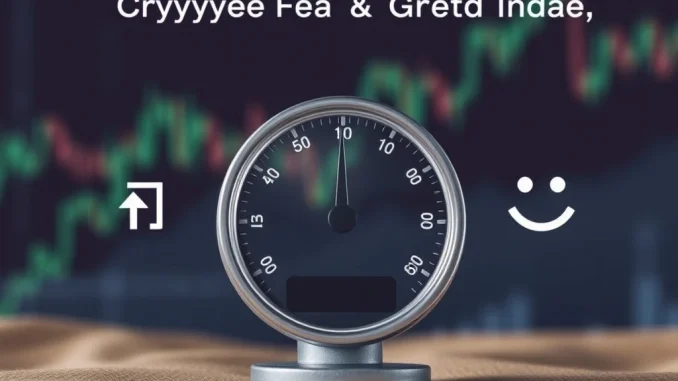
Understanding the pulse of the digital asset world is crucial for any investor. The Crypto Fear & Greed Index offers a unique lens into investor psychology. It provides a daily snapshot of the collective sentiment dominating the cryptocurrency market. This index helps gauge whether participants are experiencing overwhelming fear or excessive greed. Currently, as of August 22, the index stands at 50, maintaining its ‘Neutral’ position. This stability offers interesting insights into the current state of the market. Let’s delve deeper into what this means and how the index functions.
Understanding the Crypto Fear & Greed Index
The Crypto Fear & Greed Index serves as a vital barometer for the cryptocurrency market. Developed by Alternative, a software development platform, it quantifies market emotions. The index ranges from 0 to 100. A score of 0 signifies ‘Extreme Fear.’ This often indicates that investors are overly worried. Conversely, a score of 100 points to ‘Extreme Greed.’ Such a high score suggests that the market might be overheated. Many investors become overly optimistic during these periods. Therefore, the index offers a quick visual cue for prevailing sentiment.
On August 22, the index remained at 50. This specific number places it squarely in the ‘Neutral’ zone. A neutral reading suggests a balanced outlook. It indicates that neither extreme fear nor extreme greed currently dominates the market. This steady position can imply a period of consolidation. Investors might be awaiting clearer signals before making significant moves. Consequently, it reflects a cautious yet not panicky environment.
Key Factors Driving Market Sentiment
The comprehensive Crypto Fear & Greed Index integrates six distinct factors. Each factor contributes a specific weight to the overall score. Understanding these components is essential for interpreting the index accurately. These factors collectively paint a picture of the prevailing crypto market sentiment. They capture various facets of market behavior and investor psychology. Let’s explore each component in detail:
- Volatility (25%): This component measures the current volatility and maximum drawdowns of Bitcoin. High volatility often signals an anxious market. Conversely, lower volatility can suggest stability.
- Market Momentum/Volume (25%): This factor analyzes the current volume and momentum of the market. It compares them with recent averages. High buying volume in a strong uptrend can indicate greed. Similarly, high selling volume in a downtrend might show fear.
- Social Media (15%): The index tracks cryptocurrency-related hashtags on various social media platforms. It looks for the number of posts and their sentiment. Increased discussion and positive sentiment can push the index towards greed.
- Surveys (15%): Historically, the index included polls asking investors about their market outlook. However, these surveys are currently paused. Their absence means the other factors bear slightly more weight.
- Bitcoin Dominance (10%): This measures Bitcoin’s share of the total cryptocurrency market capitalization. A rising Bitcoin dominance often indicates a flight to safety. Investors might be moving from altcoins to Bitcoin during uncertain times. This can signal fear in the broader altcoin market.
- Google Trends (10%): The index analyzes Google search queries related to Bitcoin. For example, a surge in searches for ‘Bitcoin price manipulation’ might indicate fear. Conversely, searches for ‘how to buy Bitcoin’ during a bull run could signal growing public interest and greed.
Interpreting ‘Neutral’ in the Crypto Market
A ‘Neutral’ reading on the Crypto Fear & Greed Index, specifically at 50, is significant. It suggests a balanced state where neither extreme fear nor extreme greed dictates market behavior. This can be a period of relative calm. Investors are not rushing into trades out of panic or excessive optimism. Instead, they might be evaluating their positions carefully. A neutral stance can precede a major market move. However, it can also indicate a prolonged period of sideways trading. Therefore, a 50 score warrants careful observation.
Historically, the index has provided valuable signals. Extreme fear often presents buying opportunities for contrarian investors. Conversely, extreme greed can signal a market top. This is when a correction might be imminent. The current neutral position suggests a wait-and-see approach for many. It reflects a moment of equilibrium. The market is neither euphoric nor despondent. This stability is noteworthy given the volatile nature of digital assets.
The Role of Bitcoin Dominance and Market Volatility
Two key components of the index, Bitcoin dominance and market volatility, offer deeper insights. Bitcoin’s dominance reflects its standing relative to other cryptocurrencies. When Bitcoin’s dominance rises, it often suggests a defensive posture by investors. They might be consolidating their assets into the largest and most liquid cryptocurrency. This move often happens during periods of uncertainty. Therefore, a higher Bitcoin dominance can contribute to a more fearful reading.
Conversely, lower Bitcoin dominance might indicate a thriving altcoin market. This can signal increased risk appetite and potentially more greed. Meanwhile, market volatility is a direct measure of price swings. High volatility, characterized by large and rapid price movements, typically increases fear. Investors become more anxious about sudden losses. A calmer market with less dramatic price swings tends to reduce fear. Thus, these two factors provide a robust measure of underlying market health and investor confidence.
Navigating the Market with the Index
Investors often use the Crypto Fear & Greed Index as a supplementary tool. It provides a quick emotional overview. However, it should not be the sole basis for investment decisions. Instead, combine its insights with thorough fundamental and technical analysis. For instance, a neutral reading like 50 can prompt further investigation. What are the macroeconomic factors at play? Are there significant regulatory developments? What do the charts suggest?
The index is a sentiment indicator, not a predictive tool. It reflects the collective emotional state of the market. Experienced traders use it to identify potential overreactions. They look for times when fear is so high that assets are undervalued. Similarly, they watch for periods of extreme greed. These moments can signal an impending correction. Ultimately, the index empowers investors with a psychological perspective. It helps them avoid making impulsive decisions based purely on emotion. The current neutral stance encourages a balanced and informed approach.
Frequently Asked Questions (FAQs)
What is the Crypto Fear & Greed Index?
The Crypto Fear & Greed Index is a tool that measures the current emotional state of the cryptocurrency market. It ranges from 0 (Extreme Fear) to 100 (Extreme Greed), providing a daily snapshot of investor sentiment.
How is the Crypto Fear & Greed Index calculated?
It is calculated using six weighted factors: volatility (25%), market momentum/volume (25%), social media (15%), surveys (15% – currently paused), Bitcoin dominance (10%), and Google Trends (10%).
What does a ‘Neutral’ score (50) on the index mean?
A ‘Neutral’ score of 50 indicates that neither extreme fear nor extreme greed is dominating the market. It suggests a balanced and potentially cautious period, where investors are not making impulsive decisions.
Why is Bitcoin dominance a factor in the index?
Bitcoin dominance reflects its market share. A rising dominance often indicates investors are moving to Bitcoin as a ‘safe haven’ during uncertain times, signaling fear in the broader altcoin market. Conversely, lower dominance might suggest higher risk appetite.
Can the Crypto Fear & Greed Index predict market movements?
No, the index is a sentiment indicator, not a predictive tool. It reflects current market emotions, which can help investors understand the psychological backdrop. However, it should be used in conjunction with other analytical tools for making informed decisions.
Are surveys still included in the index calculation?
As of the latest information, the surveys component (15%) of the Crypto Fear & Greed Index is currently paused. The remaining five factors contribute to the overall score.