The United Kingdom has unveiled a significant escalation in its financial warfare, targeting illicit digital asset flows. These new **UK crypto sanctions** represent a bold move. They aim to disrupt networks used by Russia to circumvent existing restrictions. This development marks a critical juncture in the global effort to regulate cryptocurrencies and prevent their misuse.
Targeting Russian Crypto Networks: Grinex and Meer Under Scrutiny
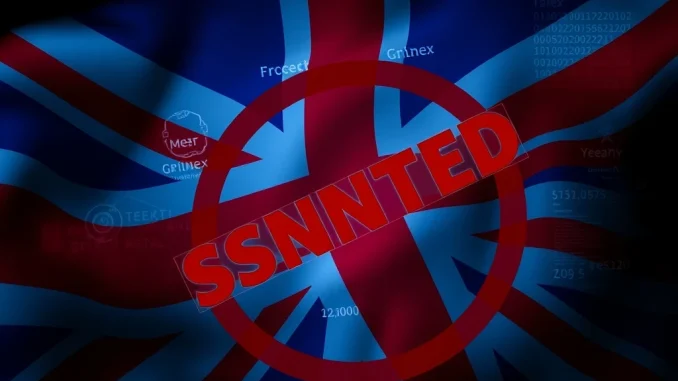
The UK government recently announced a fresh round of sanctions. These measures specifically target entities involved in “circumvention and crypto networks.” These networks are reportedly exploited by Russia. Key among the newly sanctioned entities are the Grinex and Meer exchanges. Both platforms have direct links to the ruble-backed token A7A5. This information was shared by @PiQSuite on X, highlighting the specific focus of these new regulations.
Grinex and Meer, identified as pivotal players, allegedly facilitate transactions that bypass traditional financial systems. Therefore, they enable Russia to access funds and resources despite international pressure. The connection to A7A5, a token pegged to the Russian ruble, further emphasizes the strategic nature of these sanctions. This link suggests an attempt to bolster Russia’s financial autonomy through digital means. Consequently, the UK’s actions aim to sever these crucial digital lifelines, tightening the economic noose around Moscow.
The Scope of UK Crypto Sanctions: Combating Circumvention
These **UK crypto sanctions** extend beyond just the named exchanges. They signify a broader intent to combat the use of digital assets for illicit purposes. The UK government’s stance is clear: they will pursue any avenue exploited for financial circumvention. This includes sophisticated crypto networks. The sanctions demonstrate a growing understanding among global powers regarding the evolving landscape of financial crime. Moreover, they underscore the need for robust regulatory frameworks in the digital asset space.
Circumvention, in this context, refers to efforts to evade international sanctions. These efforts often involve complex financial maneuvers. Cryptocurrencies, due to their decentralized nature, can sometimes offer pathways for such evasion. However, governments worldwide are enhancing their capabilities to trace and disrupt these activities. The UK’s move is a testament to this global commitment. It also sends a strong message to other entities considering similar illicit activities.
Impact on Russian Crypto Exchanges and Beyond
The immediate impact on **Russian crypto exchanges** like Grinex and Meer will likely be significant. Sanctions typically freeze assets, restrict access to international financial systems, and prohibit dealings with sanctioned entities. This can severely cripple their operations. Furthermore, the action could deter other platforms from engaging in similar activities. They might fear facing similar penalties. The broader cryptocurrency market may also feel ripple effects, particularly in regions with less stringent regulations. This could lead to increased scrutiny for all exchanges operating globally.
These sanctions also highlight the increasing scrutiny on ruble-backed tokens. Such tokens aim to provide a stable digital asset linked to the Russian currency. They can potentially be used to bypass traditional banking restrictions. The UK’s targeting of A7A5 specifically signals a concern over the potential for these tokens to become tools for state-sponsored illicit finance. This action could set a precedent for how other nations approach similar digital assets. Ultimately, it emphasizes the growing intersection of geopolitics and cryptocurrency.
Global Efforts Against Crypto Money Laundering
The UK’s actions align with a broader international push against **crypto money laundering** and illicit finance. Organizations like the Financial Action Task Force (FATF) have long advocated for stricter regulations on virtual assets. They aim to prevent their misuse. Many countries are implementing Anti-Money Laundering (AML) and Know Your Customer (KYC) requirements for crypto businesses. These measures enhance transparency and accountability within the sector. Consequently, this makes it harder for criminals and sanctioned entities to operate undetected.
This coordinated global effort is crucial. Financial crime transcends national borders. Therefore, international cooperation becomes paramount. The UK’s sanctions contribute to this collective endeavor. They add another layer of pressure on illicit networks. They also encourage other nations to strengthen their own regulatory frameworks. This collaborative approach is vital for building a secure and compliant digital financial ecosystem. It also protects the integrity of the global financial system.
Navigating Digital Asset Regulations: A Shifting Landscape
The imposition of these sanctions underscores the dynamic nature of **digital asset regulations**. Governments are rapidly adapting their legal frameworks to keep pace with technological advancements. This includes developing new tools and strategies to monitor and enforce compliance in the crypto space. Businesses operating in this sector must remain vigilant. They need to understand and adhere to evolving regulatory requirements. Non-compliance carries severe penalties, as demonstrated by these recent actions.
For legitimate cryptocurrency businesses, these developments reinforce the importance of robust compliance programs. Implementing strong AML, KYC, and sanctions screening protocols is no longer optional. It is essential for survival and growth. The regulatory landscape will likely continue to evolve. Therefore, proactive engagement with regulators and adherence to best practices will be critical. This ensures a safe and transparent environment for all participants in the digital asset economy.
In conclusion, the UK’s decisive **UK crypto sanctions** against Grinex and Meer represent a significant step. They target Russia’s efforts to use digital assets for circumvention. This action underscores the growing determination of global powers to regulate the crypto space. It also highlights their commitment to combating financial crime. As the digital asset landscape continues to mature, we can expect more such targeted interventions. These interventions will shape the future of cryptocurrency regulation and its role in global finance.
Frequently Asked Questions (FAQs)
Q1: What exactly are the UK’s new crypto sanctions targeting?
The UK’s new sanctions target “circumvention and crypto networks” used by Russia. Specifically, they name the Grinex and Meer exchanges, which are linked to the ruble-backed token A7A5. These measures aim to prevent Russia from bypassing existing financial restrictions through digital assets.
Q2: Why are Grinex and Meer exchanges specifically named?
Grinex and Meer exchanges were named due to their alleged role in facilitating transactions that help Russia circumvent international sanctions. Their connection to the ruble-backed token A7A5 suggests they are part of a system designed to maintain financial access for Russia through digital means.
Q3: How do these sanctions impact the broader cryptocurrency market?
While directly targeting specific entities, these sanctions can have broader implications. They signal increased regulatory scrutiny on all cryptocurrency exchanges, especially those with lax compliance. They also emphasize the global commitment to combating illicit finance within the digital asset space, potentially leading to stricter AML/KYC requirements across the industry.
Q4: What is the significance of targeting the ruble-backed token A7A5?
Targeting the ruble-backed token A7A5 highlights concerns that such stablecoins could be used to bypass traditional banking systems and sanctions. It suggests a strategic move to disrupt Russia’s attempts to create alternative financial pathways using digital currencies. This sets a precedent for how other nations might view and regulate similar national or state-backed digital assets.
Q5: Are these UK crypto sanctions part of a larger global effort?
Yes, these sanctions are part of a broader international effort to combat crypto money laundering and illicit finance. Organizations like the FATF advocate for stricter virtual asset regulations. Many countries are enhancing their AML/KYC frameworks. The UK’s actions contribute to this collective push for a more secure and compliant digital financial ecosystem.