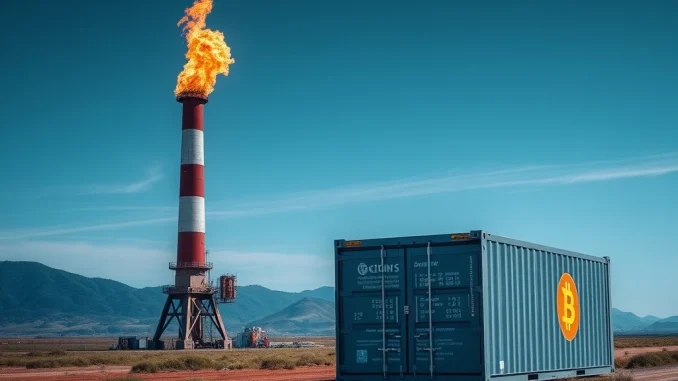
The energy sector is witnessing a transformative shift. Specifically, two prominent UK oil firms are making headlines. They are integrating cryptocurrency into their operations. This innovative approach involves using excess natural gas for Bitcoin mining. This strategic move could redefine energy waste management. It also offers a fresh perspective on digital asset acquisition.
The Strategic Shift: UK Oil Firms Embrace Crypto
Union Jack Oil and Reabold Resources, both based in the UK, are pioneering this initiative. They plan to mine Bitcoin (BTC) at their West Newton site. This decision leverages stranded natural gas. This gas would otherwise go unused or be flared. NLNico (@btcNLNico) on X first reported this significant development. It signals a growing trend of traditional industries exploring crypto applications.
For Union Jack Oil, this venture is part of a broader BTC treasury strategy. The company aims to hold Bitcoin as a corporate asset. This demonstrates a progressive outlook on financial diversification. It also reflects confidence in Bitcoin’s long-term value. Moreover, it positions the company at the forefront of energy innovation. This strategy offers potential benefits beyond just resource utilization.
Reabold Resources views the mining operation differently. They consider Bitcoin mining more profitable than direct BTC purchases. This perspective highlights the economic advantages of generating Bitcoin. Mining can potentially offer a lower cost basis. It also provides a steady stream of newly minted coins. This approach could enhance their financial returns significantly. Furthermore, it turns a waste product into a valuable asset.
Leveraging Natural Gas Bitcoin Mining for Efficiency
The use of stranded natural gas for natural gas Bitcoin mining presents a dual benefit. Firstly, it addresses environmental concerns. Flaring excess gas releases harmful emissions. Converting this gas into electricity for mining reduces such waste. This improves the carbon footprint of oil and gas operations. It transforms a liability into an asset. Secondly, it offers a cost-effective energy source for mining. Stranded gas often has no pipeline access. Therefore, it holds little commercial value otherwise. Utilizing it on-site for energy generation is highly efficient. This method reduces operational costs for the mining venture.
This innovative approach aligns with broader sustainability goals. Companies can monetize previously wasted resources. This reduces environmental impact. It also generates revenue from an underutilized asset. Such practices are becoming increasingly attractive. They offer a pathway for energy companies to adapt. They can thrive in a rapidly evolving global economy. Consequently, this model could become a blueprint for others.
Union Jack Oil and Reabold’s Vision for Growth
The strategic decision by Union Jack Oil and Reabold Resources underscores a forward-thinking vision. They are not merely adopting a new technology. Instead, they are integrating it into their core business model. This creates a synergistic relationship between energy production and digital asset creation. Their move could inspire other energy firms. It shows how to unlock new revenue streams. It also demonstrates how to enhance operational efficiency. This integration represents a significant step. It blurs the lines between traditional industries and the crypto world.
This venture also signifies a growing confidence in Bitcoin’s role. It is seen as both a store of value and a strategic asset. By actively mining, these companies gain direct exposure. They participate in the network’s security and decentralization. This commitment extends beyond simple investment. It involves active participation in the Bitcoin ecosystem. Ultimately, this strengthens their position in the evolving financial landscape.
The Future of Bitcoin Mining and Energy
The intersection of energy production and Bitcoin mining is a rapidly expanding field. Many energy companies are exploring similar opportunities. They seek to optimize their resource utilization. They also aim to diversify their income streams. This trend is global. It involves various energy sources, including renewables. Bitcoin mining provides a flexible load. It can absorb excess energy. This helps stabilize power grids. It also makes renewable projects more viable. The British firms’ initiative exemplifies this global shift. It highlights the potential for energy innovation.
However, challenges remain. Regulatory clarity is crucial for widespread adoption. Public perception regarding Bitcoin’s energy consumption needs addressing. Nevertheless, the economic incentives are strong. The environmental benefits of utilizing waste gas are clear. Therefore, more energy companies may follow suit. This could lead to a more sustainable and profitable future for both sectors.
In conclusion, Union Jack Oil and Reabold Resources are setting a precedent. Their venture into Bitcoin mining using stranded natural gas is pioneering. It showcases a strategic alignment of energy efficiency and digital asset growth. This move not only benefits their bottom line. It also offers a model for responsible resource management. The future of energy and crypto seems increasingly intertwined.
Frequently Asked Questions (FAQs)
Q1: What is stranded natural gas?
Stranded natural gas refers to gas reserves that are economically unviable to bring to market. This is often due to a lack of pipeline infrastructure. Such gas is typically flared or vented. Flaring burns the gas off, releasing emissions. Venting releases it directly into the atmosphere.
Q2: Why are Union Jack Oil and Reabold Resources mining Bitcoin?
Union Jack Oil views Bitcoin mining as part of a BTC treasury strategy. They aim to hold Bitcoin as a corporate asset. Reabold Resources believes mining is more profitable than direct Bitcoin purchases. This allows them to monetize otherwise wasted natural gas.
Q3: How does Bitcoin mining with natural gas benefit the environment?
Using stranded natural gas for Bitcoin mining reduces flaring. Flaring releases CO2 and other pollutants. By converting this gas into electricity for mining, companies can reduce emissions. This turns a waste product into a productive energy source.
Q4: Is this trend common in the oil and gas industry?
The trend of oil and gas companies using stranded gas for Bitcoin mining is growing. Many firms are exploring this method. It offers a way to monetize otherwise wasted resources. It also provides a flexible load for energy. This makes it an attractive solution globally.
Q5: What are the potential economic advantages for these UK oil firms?
The economic advantages are significant. They monetize a previously wasted asset (stranded gas). They acquire Bitcoin at a potentially lower cost basis through mining. This diversifies their revenue streams. It also positions them in the growing digital asset economy.