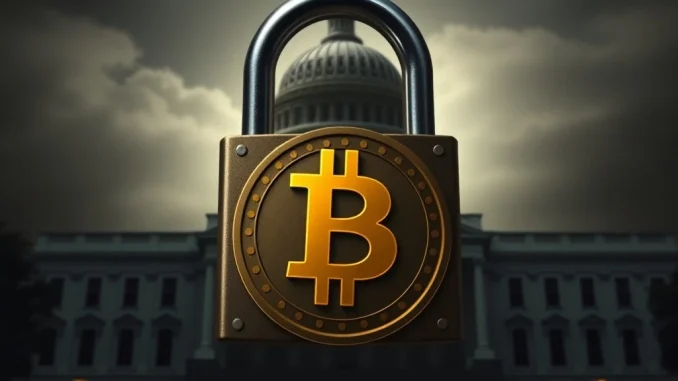
In a move that’s stirring both curiosity and controversy, the U.S. government continues to keep its Bitcoin holdings under wraps. This classified approach raises crucial questions about national security, market stability, and the delicate balance between transparency and discretion in the crypto world.
Why Are U.S. Government Bitcoin Holdings Classified?
The White House Cryptocurrency Council has confirmed that details about federal Bitcoin reserves remain strictly confidential. This policy stems from three key concerns:
- Preventing market manipulation through undisclosed large transactions
- Protecting national security interests from foreign adversaries
- Avoiding unnecessary volatility in the crypto markets
The Crypto Market Stability Dilemma
Government officials argue that revealing Bitcoin holdings could create dangerous market fluctuations. Consider these contrasting impacts:
| Transparency Benefits | Secrecy Advantages |
|---|---|
| Builds investor trust | Prevents panic selling |
| Encourages accountability | Blocks exploit attempts |
| Supports price discovery | Maintains strategic flexibility |
White House Cryptocurrency Council’s Crucial Role
This specialized council serves as the nerve center for federal digital asset policy, balancing multiple priorities:
- Advising on national crypto strategies
- Developing regulatory frameworks
- Promoting responsible innovation
- Protecting economic security
What This Means for Bitcoin Investors
The classified status creates both challenges and opportunities:
- Increased uncertainty about potential market-moving transactions
- Reduced risk of sudden government-triggered volatility
- Stronger long-term stability for institutional adoption
- Ongoing debates about appropriate transparency levels
As the crypto landscape evolves, the U.S. government’s approach to Bitcoin holdings represents a calculated strategy prioritizing security over disclosure. This policy reflects the growing recognition of digital assets as both economic instruments and potential national security concerns. The coming years will test whether this balance effectively serves both market participants and national interests.
Frequently Asked Questions
How much Bitcoin does the U.S. government actually hold?
The exact amount remains classified, but estimates suggest holdings from seized assets could be worth billions.
Could the government’s Bitcoin policy affect prices?
Yes, potential large-scale movements of government-held Bitcoin could significantly impact markets, which is partly why the information remains secret.
Why doesn’t the government just sell its Bitcoin?
Strategic considerations include maintaining market stability and preserving assets that may appreciate in value over time.
Are other governments equally secretive about crypto holdings?
Approaches vary, but most major governments maintain some level of discretion about their digital asset reserves.
How does this affect ordinary Bitcoin investors?
While creating some uncertainty, the policy may actually reduce volatility risks from sudden government transactions.