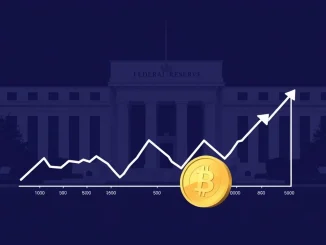
In a decisive statement, Federal Reserve Chair Jerome Powell has made it clear: the Fed cannot and will not seek authority to buy cryptocurrencies. This revelation has sent ripples through the crypto community, raising questions about the future of digital assets under U.S. monetary policy.
Why the Federal Reserve Won’t Touch Crypto
Powell’s remarks, shared via Walter Bloomberg on X, highlight a critical boundary in the Fed’s operations. Here’s what you need to know:
- Legal Limitations: The Fed lacks the legal framework to purchase cryptocurrencies like Bitcoin or Ethereum.
- No Plans for Change: Powell emphasized that the Fed has no intention of seeking such authority in the future.
- Regulatory Clarity: This stance reinforces the separation between traditional banking systems and decentralized digital assets.
What Does This Mean for Cryptocurrency Regulation?
Powell’s statement underscores the Fed’s cautious approach to crypto. While other central banks explore digital currencies, the U.S. remains hesitant. Key takeaways:
- Market Stability: The Fed’s position may reduce fears of sudden crypto market interventions.
- Investor Sentiment: Clarity from the Fed could bolster confidence in decentralized finance (DeFi).
- Future Legislation: This could prompt Congress to address crypto regulation more directly.
Jerome Powell’s Stance: A Barrier or a Boon for Crypto?
While some see Powell’s remarks as a setback, others argue it preserves crypto’s independence. Here’s the debate:
| Pros | Cons |
|---|---|
| Prevents centralization of crypto | Limits institutional adoption |
| Encourages decentralized innovation | May slow regulatory progress |
Conclusion: A Defining Moment for Crypto and the Fed
Powell’s statement marks a pivotal moment in the relationship between traditional finance and cryptocurrency. By drawing a clear line, the Fed leaves crypto’s future in the hands of innovators and legislators—not central bankers.
Frequently Asked Questions (FAQs)
1. Can the Federal Reserve ever buy cryptocurrencies?
No, unless Congress grants explicit authority, which Powell says the Fed won’t seek.
2. How does this affect Bitcoin and Ethereum?
Short-term, it may reduce speculation about Fed interference. Long-term, it reinforces crypto’s decentralized nature.
3. Will this impact crypto regulations?
Yes, it shifts the focus to legislative action rather than central bank policies.
4. Are other central banks avoiding crypto too?
Some, like the ECB, are exploring digital currencies, but direct crypto purchases remain rare.