In the fast-paced world of cryptocurrency, staying informed is crucial. Solana news today highlights how blockchain explorers like SolScan, BaseScan, and Etherscan are transforming on-chain due diligence, giving investors the tools they need to navigate the crypto space confidently.
Why Are Blockchain Explorers Essential for On-Chain Due Diligence?
Blockchain explorers provide transparent, immutable records of transactions across networks like Solana, Ethereum, and Base L2. These tools allow users to:
- Track wallet transactions in real-time
- Verify smart contract details
- Analyze token movements and ownership distribution
How to Trace Transactions Using Solana’s SolScan
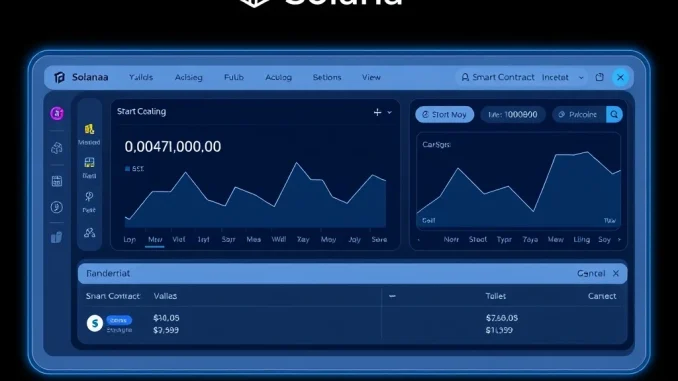
SolScan offers detailed insights into Solana transactions. Simply input a transaction hash or wallet address to view:
| Data Point | Description |
|---|---|
| Signature | Unique identifier for the transaction |
| Block Number | When the transaction was processed |
| Status | Success or failure of the transaction |
What Can You Discover Through Token Analytics?
Blockchain explorers reveal critical information about token distribution and activity:
- Top holders and their percentage of supply
- Historical token movements
- Potential red flags like suspicious wallet activity
How to Investigate Developer Wallets for Better Due Diligence
Smart contract deployment addresses can be traced to identify developer wallets. This helps assess:
- Team token allocations
- Historical transactions
- Potential conflicts of interest
The Power of On-Chain Transparency in the Crypto Space
By combining data from multiple blockchain explorers, investors can build a comprehensive picture of project activity. This transparency is revolutionizing due diligence in the crypto space, helping users detect scams and make informed decisions.
Frequently Asked Questions
1. What is the difference between SolScan and Etherscan?
SolScan is specifically designed for the Solana blockchain, while Etherscan serves Ethereum and EVM-compatible chains. Both provide similar functionality but for different networks.
2. How can I verify a smart contract using blockchain explorers?
Look for the “Contract” tab on explorers like Etherscan or BaseScan, which shows verified source code and allows interaction with contract functions.
3. Are blockchain explorers completely reliable for due diligence?
While they provide accurate on-chain data, explorers don’t verify off-chain claims. They should be used as part of a comprehensive research strategy.
4. Can I track NFT transactions using these tools?
Yes, most explorers have specific sections for NFT (ERC-721/SPL) transactions showing transfers and ownership history.
5. How often is the data on blockchain explorers updated?
Data appears in real-time as transactions are confirmed on the blockchain, making explorers one of the most up-to-date sources of information.