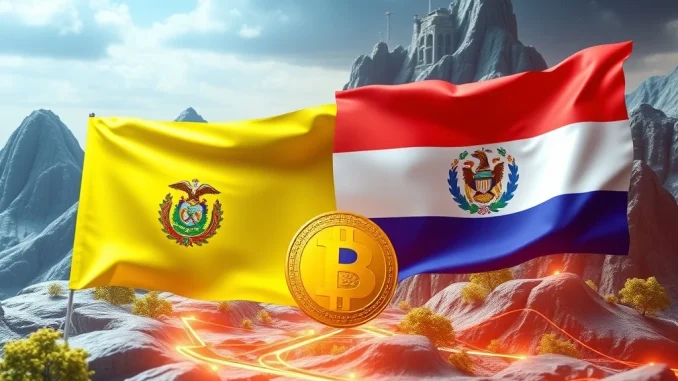
In a groundbreaking move, Bolivia and El Salvador have joined forces to champion cryptocurrency as a viable alternative to traditional fiat currencies. This partnership could redefine financial systems in Latin America and beyond.
Why Bolivia and El Salvador Are Betting on Cryptocurrency
The Central Bank of Bolivia and El Salvador’s National Commission of Digital Assets formalized this strategic agreement on July 30, 2025. Key objectives include:
- Enhancing financial inclusion for unbanked populations
- Reducing reliance on volatile fiat currencies
- Leveraging El Salvador’s Bitcoin adoption experience
- Modernizing financial infrastructure
El Salvador’s Bitcoin Legacy Paves the Way
As the first country to adopt Bitcoin as legal tender in 2021, El Salvador brings valuable experience to this partnership. Their insights will help Bolivia navigate:
| Challenge | Solution |
|---|---|
| Regulatory hurdles | Adapted legal frameworks |
| Technical implementation | Proven infrastructure models |
| Public adoption | Education campaigns |
How Cryptocurrency Could Transform Bolivia’s Economy
Edwin Rojas Ulo, Acting President of Bolivia’s Central Bank, highlights three potential benefits:
- Greater access to financial services for rural populations
- Reduced transaction costs for cross-border payments
- Protection against inflation of traditional currencies
Challenges in Adopting Cryptocurrency as Fiat Alternative
While promising, this initiative faces obstacles:
- Regulatory coordination across borders
- Cybersecurity risks for digital assets
- Volatility management in crypto markets
- Public education and adoption barriers
Latin America’s Growing Crypto Revolution
This partnership reflects a regional trend of cryptocurrency adoption in Latin America. Other countries exploring similar paths include:
- Argentina with its VASP regulations
- Brazil’s digital currency initiatives
- Panama’s proposed crypto legislation
The Bolivia-El Salvador partnership could serve as a model for other nations considering cryptocurrency integration. While challenges remain, the potential benefits for financial inclusion and economic stability make this a development worth watching closely.
Frequently Asked Questions
What does this partnership mean for regular citizens in Bolivia?
Citizens may gain access to alternative financial services, especially in unbanked areas, and potentially lower remittance costs from abroad.
Will Bolivia adopt Bitcoin like El Salvador did?
While details aren’t finalized, the partnership suggests Bolivia may implement a broader cryptocurrency strategy rather than just Bitcoin adoption.
How will this affect cryptocurrency markets?
Increased institutional adoption could bring more stability to crypto markets and potentially drive up demand for major cryptocurrencies.
What are the risks of this approach?
Key risks include cryptocurrency volatility, potential for fraud, and technical challenges in implementation across diverse populations.
When will these changes take effect?
The agreement was signed in July 2025, with implementation likely to occur in phases over the coming years.
Could other countries join this initiative?
Yes, the agreement leaves room for other Latin American nations to participate as the model proves successful.