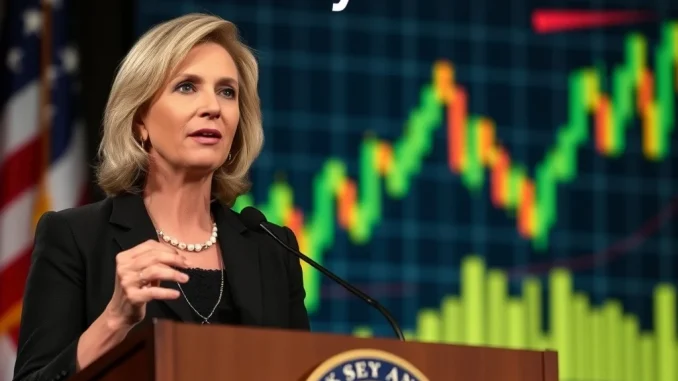
In a groundbreaking move, U.S. Senator Cynthia Lummis has announced plans to release a draft bill on crypto market structure before the August recess. This development could shape the future of cryptocurrency regulation in the U.S., offering clarity and structure to an evolving market.
What Does the Crypto Market Structure Draft Bill Entail?
The draft bill aims to establish a clear regulatory framework for cryptocurrencies, addressing key issues such as:
- Market transparency and investor protection
- Classification of digital assets
- Oversight responsibilities between the SEC and CFTC
Why Is This Draft Bill Important?
The crypto market structure draft represents a pivotal moment for the industry. Here’s why:
| Benefit | Impact |
|---|---|
| Regulatory Clarity | Reduces uncertainty for businesses and investors |
| Investor Protection | Establishes safeguards against fraud and manipulation |
Challenges Ahead for the Crypto Market Structure
While the draft bill is a step forward, challenges remain:
- Balancing innovation with regulation
- Navigating political divides in Congress
- Ensuring global competitiveness
What’s Next for the Draft Bill?
Markup is expected in September, with potential revisions based on stakeholder feedback. The crypto community should prepare for:
- Public commentary periods
- Possible amendments
- Final voting timelines
This draft bill could be the foundation for comprehensive cryptocurrency regulation in the U.S., offering both opportunities and challenges for the industry.
Frequently Asked Questions (FAQs)
When will the crypto market structure draft bill be released?
Senator Lummis aims to release the draft before the August recess, with markup expected in September.
What are the main goals of the draft bill?
The bill seeks to provide regulatory clarity, protect investors, and define oversight roles for cryptocurrencies.
How will this affect cryptocurrency businesses?
Businesses may face new compliance requirements but could benefit from clearer regulatory guidelines.
What role do the SEC and CFTC play in this bill?
The bill may clarify which agency oversees different types of digital assets, reducing jurisdictional conflicts.