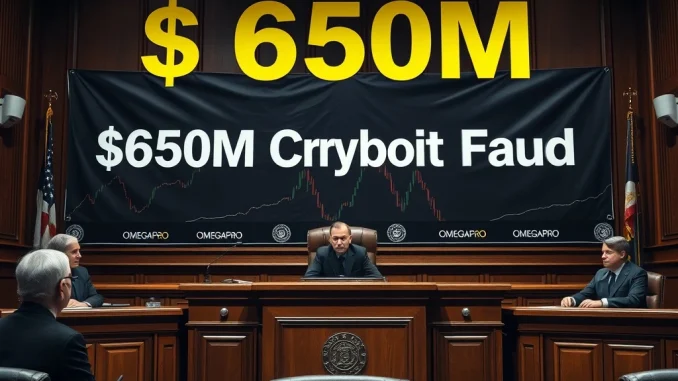
In a shocking turn of events, two individuals have been indicted in Puerto Rico for orchestrating a massive $650M OmegaPro crypto fraud scheme. The U.S. Department of Justice revealed that victims were lured with promises of 300% returns through forex trading—only to lose their investments in what authorities call a blatant scam.
What Was the OmegaPro Crypto Fraud Scheme?
The defendants allegedly sold fraudulent “investment packages” under OmegaPro, claiming advanced forex trading strategies would generate unrealistic 300% returns in just 16 months. Here’s how the scam worked:
- Victims were instructed to pay in cryptocurrency.
- Funds were funneled through wallets controlled by OmegaPro executives.
- Money was redistributed to insiders to hide its origins.
How Did the $650M Crypto Scam Unfold?
The DOJ’s investigation uncovered a sophisticated operation where OmegaPro executives misled investors globally. Key findings include:
| Scheme Element | Details |
|---|---|
| Promised Returns | 300% over 16 months |
| Payment Method | Cryptocurrency only |
| Funds Movement | Laundered through executive-controlled wallets |
Why Forex Trading Fraud Is a Growing Threat
This case highlights the dangers of unverified forex trading schemes in the crypto space. Investors should watch for:
- Unrealistic profit guarantees.
- Pressure to invest quickly.
- Lack of regulatory compliance.
What’s Next for the OmegaPro Crypto Fraud Case?
The DOJ is pursuing charges, signaling a crackdown on crypto-related scams. Legal experts predict:
- Possible extradition of involved parties.
- Asset seizures to compensate victims.
- Tighter regulations on crypto investment platforms.
FAQs About the OmegaPro Crypto Fraud Case
1. What was OmegaPro promising investors?
OmegaPro falsely guaranteed 300% returns in 16 months through forex trading, which authorities now confirm was a scam.
2. How much money was involved in the scheme?
The DOJ estimates losses at $650 million, making it one of the largest crypto fraud cases in recent years.
3. Were the defendants operating legally?
No. The indictment alleges they ran an unregistered and fraudulent investment operation.
4. What should investors do to avoid similar scams?
Always verify regulatory compliance, research investment claims, and be wary of “too good to be true” returns.
5. Will victims recover their lost funds?
The DOJ is working to trace and seize assets, but full recovery remains uncertain.