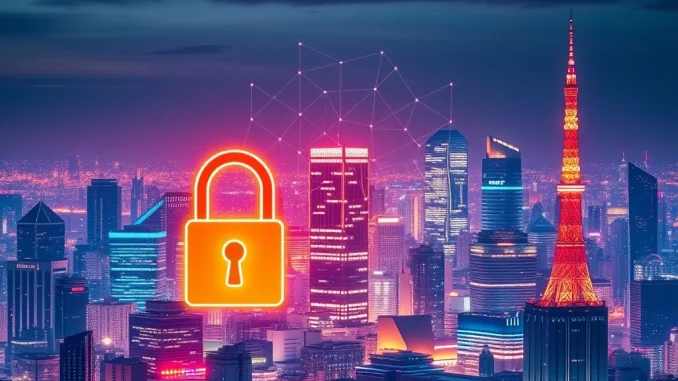
The world of finance is constantly evolving, and blockchain technology is at the forefront of this transformation. Imagine a future where investing in prime global real estate is as simple as buying a digital token. This isn’t a distant dream; it’s becoming a reality, thanks to pioneering initiatives like the one recently announced by Japanese real estate firm GATES Inc. They are set to tokenize a staggering $75 million in Tokyo property on the Oasys blockchain, marking a significant leap forward for real estate tokenization.
What is Real Estate Tokenization and Why is it Revolutionary?
At its core, real estate tokenization involves converting physical real estate assets into digital tokens on a blockchain. Each token represents a fractional ownership stake in the property. Think of it like this: instead of buying an entire building, you can now buy a small piece of it, represented by a secure, tradable digital asset. This process is truly revolutionary because it addresses several long-standing challenges in traditional real estate investment:
- Increased Liquidity: Traditional real estate is illiquid. Selling a property can take months. Tokenized assets can be traded 24/7 on digital platforms, offering much faster transactions.
- Fractional Ownership: High property prices often exclude smaller investors. Tokenization breaks down properties into affordable units, democratizing access.
- Global Accessibility: It removes geographical barriers, allowing investors from anywhere in the world to participate.
- Reduced Costs: It can streamline processes, cutting down on intermediaries, legal fees, and administrative burdens.
- Enhanced Transparency: Blockchain’s immutable ledger provides a clear, verifiable record of ownership and transactions.
GATES Inc. and the Strategic Pivot of Oasys Blockchain
GATES Inc.’s move to tokenize $75 million in Tokyo real estate is not just a one-off project; it’s part of a much larger vision. The firm has ambitious plans to scale its tokenized assets to an astounding $200 billion. This kind of ambition signals a strong belief in the transformative power of blockchain in the real estate sector. The tokens themselves will be issued through an overseas Special Purpose Vehicle (SPV) and made available for trading on decentralized platforms, ensuring broad accessibility and market reach.
A key player in this initiative is the Oasys blockchain. While Oasys initially gained prominence in the gaming sector, it has made a strategic and significant pivot towards real-world asset (RWA) tokenization. This shift is highly indicative of the growing maturity and potential of blockchain technology beyond its initial use cases. CoinDesk’s report on this pivot highlights Oasys’s recognition that the real value and scalability of blockchain lie in its ability to connect with tangible assets, unlocking new financial paradigms. This move by Oasys positions it as a crucial infrastructure provider for the burgeoning RWA market.
Unlocking Tokyo Property for Global Foreign Investors
One of the most compelling aspects of GATES’s initiative is its direct impact on foreign investors. Historically, investing in Japanese real estate, especially prime Tokyo property, has been complex and cumbersome for those outside the country. Regulatory hurdles, currency exchange complexities, and the need for local representation often created significant barriers to entry. Tokenization offers a streamlined solution:
| Traditional Investment | Tokenized Investment |
|---|---|
| High entry barrier (large capital) | Low entry barrier (fractional ownership) |
| Lengthy legal & administrative processes | Streamlined digital transactions |
| Limited liquidity, difficult to exit | 24/7 trading on decentralized platforms |
| Complex for foreign investors (regulations, taxes) | Simplified access via global digital platforms |
| Requires physical presence/local agents | Accessible from anywhere with internet access |
By simplifying access, GATES Inc. is not only attracting a wider pool of international capital but also potentially boosting the liquidity and valuation of Japanese real estate. This could set a precedent for how other major global cities approach property investment in the digital age.
The Broader Impact: Real-World Assets Beyond Real Estate
The GATES-Oasys collaboration is a powerful example of the wider trend of real-world assets (RWA) coming onto the blockchain. While real estate is a significant category due to its high value and tangible nature, the RWA movement extends far beyond properties. We’re seeing everything from fine art and luxury goods to intellectual property and even commodities being tokenized. This shift represents a monumental expansion of the digital asset landscape, bridging the gap between traditional finance and decentralized finance (DeFi).
The tokenization of RWAs offers immense potential for creating new financial products, enhancing market efficiency, and unlocking previously illiquid capital. However, it also comes with its own set of challenges, particularly around regulatory clarity, legal frameworks, and ensuring the robust connection between the digital token and its underlying physical asset. Despite these hurdles, the momentum is undeniable, and projects like GATES’s are paving the way for a more inclusive and efficient global financial system.
Benefits of Tokenized Real Estate: A Closer Look
- Global Market Access: Reach a broader investor base, transcending geographical boundaries.
- Enhanced Liquidity: Convert illiquid assets into easily tradable digital tokens.
- Fractional Ownership: Enable smaller investments, making high-value properties accessible to more people.
- Increased Transparency: All transactions are recorded on an immutable blockchain, reducing fraud and increasing trust.
- Lower Transaction Costs: Reduce fees associated with intermediaries, legal processes, and brokerages.
- Faster Settlements: Digital transactions can settle in minutes, not days or weeks.
Challenges and Considerations for RWA Tokenization
- Regulatory Uncertainty: The legal framework for tokenized assets is still evolving in many jurisdictions.
- Valuation and Appraisal: Ensuring accurate and consistent valuation of underlying physical assets.
- Security Risks: Protecting digital tokens from hacks and cyber threats.
- Interoperability: Ensuring different blockchains and traditional financial systems can interact seamlessly.
- Market Adoption: Educating investors and institutions about the benefits and mechanics of tokenized assets.
Actionable Insights: What This Means For You
For investors, this development opens up new avenues for portfolio diversification and access to high-value assets previously out of reach. For real estate firms, it presents an opportunity to innovate, attract new capital, and streamline operations. For blockchain developers, it underscores the critical need for robust, scalable, and compliant infrastructure. As the RWA market matures, we can expect more traditional industries to explore tokenization, creating a powerful synergy between the physical and digital worlds.
The tokenization of $75 million in Tokyo property by GATES Inc. on the Oasys blockchain is more than just a news headline; it’s a powerful testament to the transformative potential of blockchain technology in revolutionizing traditional finance. By simplifying access for foreign investors and setting a precedent for scaling real-world assets, this initiative is a crucial step towards a more liquid, transparent, and globally accessible real estate market. It highlights Oasys’s strategic shift and solidifies the growing importance of real estate tokenization as a key driver of innovation in the digital economy. The future of investment is digital, and it’s unfolding right before our eyes.
Frequently Asked Questions (FAQs)
Q1: What is the primary goal of GATES Inc.’s tokenization project?
A1: The primary goal is to simplify access for foreign investors to prime Tokyo real estate by tokenizing $75 million in assets on the Oasys blockchain. This aims to increase liquidity and democratize investment opportunities.
Q2: How will the tokens be issued and traded?
A2: The tokens will be issued through an overseas Special Purpose Vehicle (SPV) and are intended to be traded on decentralized platforms, allowing for global accessibility and efficient transactions.
Q3: Why did Oasys blockchain shift its focus from gaming to real-world asset tokenization?
A3: Oasys shifted its focus from gaming to real-world asset (RWA) tokenization to leverage blockchain’s potential for broader financial applications. This strategic pivot recognizes the immense value and scalability in connecting digital assets with tangible physical assets, unlocking new markets.
Q4: What are the main benefits of investing in tokenized real estate?
A4: Key benefits include fractional ownership (allowing smaller investments), increased liquidity (easier buying/selling), global accessibility for foreign investors, enhanced transparency via blockchain records, and potentially lower transaction costs.
Q5: What are some challenges facing real-world asset (RWA) tokenization?
A5: Challenges include navigating evolving regulatory frameworks, ensuring accurate valuation and appraisal of physical assets, mitigating security risks for digital tokens, achieving interoperability between different systems, and driving broader market adoption and education.
Q6: What is the long-term vision for GATES Inc.’s tokenization efforts?
A6: GATES Inc. has an ambitious long-term vision to scale its tokenized real estate assets to $200 billion, indicating a strong commitment to expanding its presence in the digital asset space and further revolutionizing real estate investment.