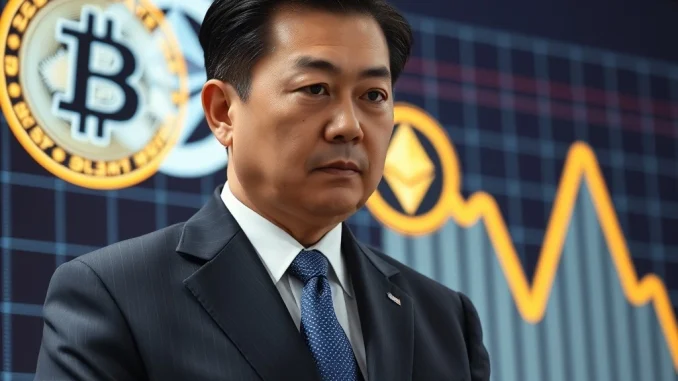
Are you a cryptocurrency holder, especially one with international dealings? If so, recent news from South Korea should be on your radar. Lim Kwang-hyun, the nominee to lead South Korea’s National Tax Service (NTS), has made a significant pledge: a firm and uncompromising crackdown on tax evasion, particularly involving private equity funds and, crucially, cryptocurrencies. This announcement signals a new era for South Korean crypto tax compliance, promising heightened scrutiny for virtual asset transactions.
Why the Urgent **South Korean Crypto Tax** Crackdown Now?
The global cryptocurrency market has seen explosive growth, attracting millions of investors and trillions in capital. While this innovation brings opportunities, it also presents complex challenges for tax authorities worldwide. South Korea, a nation with a vibrant and tech-savvy population, has long been a hotbed for crypto activity. However, the decentralized and borderless nature of virtual assets has, at times, made it difficult for governments to track and tax income effectively. Lim Kwang-hyun’s commitment reflects a growing global trend: governments are no longer just observing; they are acting decisively to ensure fair taxation.
- Rising Crypto Adoption: As more individuals and institutions engage with digital assets, the potential for untaxed gains grows.
- Revenue Generation: Governments worldwide are seeking new revenue streams, and the crypto market represents a significant, previously under-tapped, source.
- Global Collaboration: International bodies like the Financial Action Task Force (FATF) and the Organisation for Economic Co-operation and Development (OECD) are pushing for greater transparency and cross-border information sharing regarding virtual assets.
Lim Kwang-hyun’s written response to the National Assembly on July 14, ahead of his confirmation hearing, clearly articulated his intent. He emphasized that the NTS would ‘actively collect and analyze data on offshore tax evasion using virtual assets.’ This isn’t just a warning; it’s a declaration of intent to mobilize resources and expertise to identify illicit activities.
Understanding **Offshore Tax Evasion** in the Crypto World
When we talk about offshore tax evasion in the context of cryptocurrencies, it often refers to the practice of individuals or entities using foreign exchanges, decentralized finance (DeFi) protocols, or other international platforms to obscure their virtual asset holdings or transactions from their home country’s tax authorities. The perceived anonymity and borderless nature of crypto have, unfortunately, made it an attractive tool for those looking to avoid their tax obligations.
Common tactics for crypto-based offshore tax evasion might include:
- Using Unregulated Foreign Exchanges: Operating solely on platforms that do not comply with local KYC (Know Your Customer) and AML (Anti-Money Laundering) regulations.
- Employing Privacy-Enhancing Coins or Mixers: Utilizing cryptocurrencies designed for enhanced privacy (e.g., Monero, Zcash) or services that ‘mix’ transactions to obscure their origin and destination.
- Structuring Transactions: Breaking down large transactions into smaller ones or routing funds through multiple wallets and jurisdictions to complicate tracking.
- Failing to Report Gains: Simply not declaring capital gains or income derived from virtual asset trading, staking, lending, or mining activities conducted through offshore entities or platforms.
The NTS nominee’s pledge specifically targets these methods. By expanding access to crypto transaction data and closely monitoring suspicious offshore activities, the NTS aims to dismantle these evasion schemes. This move is crucial for maintaining the integrity of the tax system and ensuring a level playing field for all taxpayers.
The Role of **Virtual Asset Tax** in Global Compliance
The push for comprehensive virtual asset tax frameworks is a global phenomenon. Countries are grappling with how to classify, regulate, and tax cryptocurrencies effectively. South Korea’s latest initiative aligns with international efforts to bring digital assets into the fold of traditional financial oversight. For instance, the OECD is developing the Crypto-Asset Reporting Framework (CARF), which aims to provide for the automatic exchange of tax information on crypto-assets between jurisdictions.
This global momentum underscores a fundamental shift: the era of treating cryptocurrencies as an unregulated Wild West is rapidly coming to an end. Governments are collaborating more than ever to share information and implement synchronized regulatory measures. For South Korea, this means:
- Enhanced Data Collection: The NTS will be more aggressive in acquiring transaction data from domestic and international crypto exchanges.
- Sophisticated Analysis: Utilizing advanced analytics and potentially AI to identify patterns indicative of tax evasion.
- Cross-Border Cooperation: Working with other nations’ tax authorities to trace funds and identify beneficial owners.
This increased focus on virtual asset tax isn’t just about collecting revenue; it’s also about combating money laundering, terrorist financing, and other illicit activities that can exploit the perceived anonymity of crypto.
What Does This **Crypto Tax Crackdown** Mean for Investors?
For individuals and businesses involved in the crypto space, this impending crypto tax crackdown in South Korea carries significant implications. The days of operating under the radar, particularly for those with substantial offshore holdings, are numbered. Here’s what investors need to understand:
- Increased Scrutiny: Expect greater scrutiny on all crypto-related transactions, especially those involving foreign platforms or large sums.
- Importance of Record-Keeping: Meticulous records of all crypto transactions – purchases, sales, swaps, staking rewards, mining income, airdrops, and transfers – will become absolutely critical. This includes transaction IDs, dates, amounts, and fiat values at the time of the transaction.
- Potential for Investigations: If the NTS finds evidence of wrongdoing, thorough tax investigations will follow. These can be time-consuming, stressful, and result in severe penalties.
- Need for Professional Advice: Consulting with tax professionals specializing in cryptocurrency taxation is no longer optional for serious investors; it’s a necessity. They can help navigate the complex rules and ensure compliance.
The message is clear: transparency and compliance are paramount. Ignorance of the law is not an excuse, and authorities are rapidly developing the tools and expertise to enforce existing and new regulations.
Navigating **South Korea Crypto Regulations**: A New Era?
The nominee’s pledge marks a significant step in the evolution of South Korea crypto regulations. While South Korea has already implemented some of the world’s stricter crypto rules, such as real-name trading accounts, this new focus on offshore evasion indicates a deeper commitment to comprehensive oversight. It suggests a shift from merely regulating exchanges to actively pursuing individuals and entities who attempt to circumvent tax laws.
Challenges for authorities in implementing these measures include:
- Technical Expertise: The NTS needs highly skilled personnel capable of understanding blockchain technology, various cryptocurrencies, and complex DeFi protocols.
- Jurisdictional Hurdles: Tracing funds across international borders and compelling foreign entities to provide data can be challenging.
- Evolving Landscape: The crypto space is constantly innovating, requiring tax authorities to adapt their strategies continually.
Despite these challenges, the intent is clear: South Korea is committed to ensuring that virtual asset activities contribute fairly to the national tax base. This proactive stance could serve as a model for other nations grappling with similar issues.
Actionable Insights for Crypto Holders in South Korea
To avoid falling afoul of the intensified tax scrutiny, crypto holders should take the following steps:
- Review Your Portfolio: Assess all your virtual asset holdings, including those on foreign exchanges or in DeFi protocols.
- Gather All Transaction Data: Consolidate transaction histories from all platforms you’ve used. Many exchanges allow you to download CSV files for tax purposes.
- Understand Your Tax Obligations: Familiarize yourself with South Korea’s specific rules on crypto taxation (e.g., capital gains tax, income tax on mining/staking).
- Consult a Crypto Tax Specialist: This is perhaps the most crucial step. A professional can help you calculate your tax liabilities accurately and advise on compliance strategies.
- Consider Voluntary Disclosure: If you have undeclared offshore crypto assets, consult with a legal and tax professional about potential voluntary disclosure programs, which might offer reduced penalties.
Conclusion
Lim Kwang-hyun’s strong declaration regarding a crackdown on crypto-based offshore tax evasion sends a powerful message. It underscores South Korea’s unwavering commitment to fostering a fair and transparent tax environment, even within the complex world of virtual assets. For crypto investors, this means a new era of heightened scrutiny and the absolute necessity of meticulous record-keeping and proactive tax compliance. As global regulations tighten, understanding and adhering to your tax obligations is no longer optional; it’s essential for navigating the evolving landscape of digital finance safely and legally. The time to get your crypto tax affairs in order is now.
Frequently Asked Questions (FAQs)
Q1: What exactly is ‘offshore tax evasion’ in the context of cryptocurrencies?
Offshore tax evasion in cryptocurrencies refers to individuals or entities using foreign crypto exchanges, decentralized platforms, or other international means to hide their virtual asset holdings or transaction gains from their home country’s tax authorities to avoid paying taxes.
Q2: How does South Korea plan to track crypto transactions for tax purposes?
South Korea’s National Tax Service (NTS) plans to expand access to crypto transaction data from both domestic and potentially international sources. They will also closely monitor and analyze suspicious offshore activities, likely employing advanced data analytics and potentially collaborating with other countries’ tax agencies to trace funds.
Q3: Who is Lim Kwang-hyun and why is his pledge significant?
Lim Kwang-hyun is a member of the ruling Democratic Party of Korea (DPK) and the nominee to lead the National Tax Service (NTS). His pledge is significant because, if confirmed, he would be at the helm of South Korea’s primary tax enforcement agency, giving his statements direct authority and indicating a strong policy direction towards rigorous crypto tax enforcement.
Q4: What are the potential penalties for crypto tax evasion in South Korea?
Penalties for tax evasion in South Korea can be severe, including substantial fines, additional taxes on undeclared income, and in serious cases, criminal prosecution leading to imprisonment. The exact penalties depend on the amount evaded and the specifics of the case.
Q5: Does this crackdown affect foreign investors or only South Korean citizens?
While the primary focus is on South Korean citizens and residents, individuals and entities from other countries who conduct business or generate taxable income within South Korea through virtual assets could also be subject to these regulations. The NTS’s intent to monitor ‘offshore activities’ suggests a broader reach that could impact non-residents with South Korean-sourced income or assets.
Q6: What immediate steps should crypto holders take to ensure compliance?
Crypto holders should immediately gather all their transaction data from every platform used, understand South Korea’s specific crypto tax laws, and consider consulting with a tax professional specializing in virtual assets. Proactive record-keeping and seeking expert advice are crucial for ensuring compliance and avoiding future issues.