In the dynamic and ever-evolving landscape of blockchain technology, innovation often stems from novel approaches to value creation and distribution. How can a network truly incentivize participation and foster sustainable growth? This question is at the heart of the latest groundbreaking announcement from Core Foundation, the organization behind the Core blockchain network.
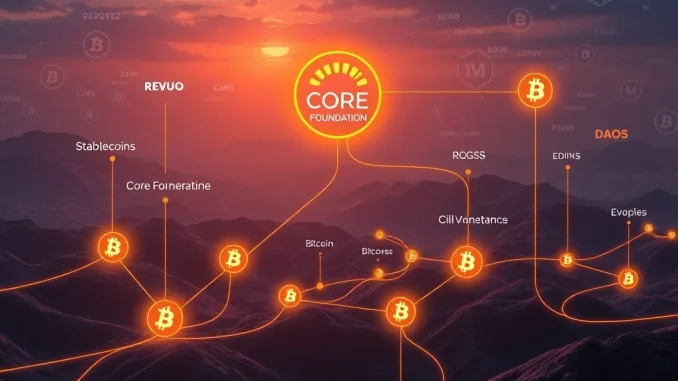
Core Foundation has introduced Rev+, a pioneering Revenue Sharing Model designed to distribute gas fee revenue across its ecosystem. This strategic move aims to foster a more vibrant and self-sustaining environment for all participants. But what exactly does this mean for the future of decentralized finance and the broader crypto space?
Understanding Core Foundation and Its Vision
Before diving into the specifics of Rev+, it’s crucial to understand the foundation it’s built upon. Core is a unique layer-1 blockchain that stands out for two primary reasons:
- Bitcoin-Based: Core leverages the security and decentralization of Bitcoin by being deeply integrated with its network. This connection provides a robust and secure foundation for its operations.
- EVM-Compatible: Core also boasts full EVM Compatibility, meaning it can seamlessly integrate with the vast ecosystem of tools, dApps, and developers built for Ethereum. This dual nature positions Core as a bridge between the two largest blockchain ecosystems.
The vision of Core Foundation is to create a highly scalable, secure, and decentralized network that brings the power of Bitcoin to the world of smart contracts and decentralized applications. Rev+ is a significant step towards realizing this ambition by directly incentivizing those who build and contribute to the network’s activity.
Unpacking the Revolutionary Rev+ Revenue Sharing Model
The Rev+ program is not just another incentive scheme; it’s a fundamental shift in how network value is shared. At its core, Rev+ distributes a portion of the gas fees generated on the Core network. This distribution is not arbitrary; it’s meticulously designed to reward active and valuable contributions. Cointelegraph initially reported on this significant development, highlighting its potential impact.
How Does Rev+ Work?
The mechanism of Rev+ is straightforward yet impactful:
- Gas Fee Collection: As users transact and interact with dApps on the Core network, gas fees are generated, similar to other blockchains.
- Revenue Pool: A portion of these collected gas fees is channeled into a dedicated revenue pool for the Rev+ program.
- Distribution Based on Metrics: Funds from this pool are then distributed to eligible participants. The allocation is determined by specific metrics related to user activity and contribution, ensuring that those who drive genuine engagement and value receive rewards.
Who Benefits from Rev+?
The program targets key stakeholders vital for a thriving blockchain ecosystem:
- Stablecoin Issuers: By incentivizing stablecoin usage and liquidity on the Core network, Rev+ encourages a robust and reliable financial backbone for dApps.
- Developers: Builders and innovators are the lifeblood of any blockchain. Rev+ provides a direct financial incentive for developers to deploy and maintain dApps on Core, fostering a rich application ecosystem.
- Decentralized Autonomous Organizations (DAOs): DAOs play a crucial role in decentralized governance and community-led initiatives. Rev+ empowers DAOs with a sustainable revenue stream, allowing them to fund operations, development, and community programs.
Why Rev+ Matters for the Bitcoin Layer-1 Ecosystem
The launch of Rev+ is particularly significant for the nascent but growing Bitcoin Layer-1 ecosystem. Historically, Bitcoin’s layer-1 has been primarily focused on secure value transfer, with limited smart contract capabilities. Projects like Core aim to extend Bitcoin’s utility, and Rev+ provides a powerful incentive for this expansion.
By distributing gas fees, Core Foundation creates a direct economic link between network activity and the prosperity of its participants. This model is expected to:
- Boost Adoption: Direct incentives can attract more users and projects to the Core network.
- Enhance Sustainability: A revenue-sharing model provides a sustainable funding mechanism for developers and DAOs, reducing reliance on grants or venture capital.
- Foster Innovation: Knowing that their contributions can yield direct financial returns encourages developers to build more innovative and impactful applications.
- Strengthen Network Effects: As more participants join and contribute, the value of the network grows for everyone, creating a positive feedback loop.
The Power of EVM Compatibility in Driving Adoption
Core’s strategic decision to embrace EVM Compatibility is a critical factor in the potential success of Rev+. The Ethereum Virtual Machine (EVM) is the most widely adopted smart contract platform, boasting a massive developer community and an extensive library of tools and frameworks. This compatibility means:
- Lower Barrier to Entry: Developers familiar with Ethereum can easily port their existing dApps or build new ones on Core without learning an entirely new programming language or ecosystem.
- Access to a Large User Base: Many crypto users are already familiar with EVM-compatible wallets and interfaces, making their transition to Core seamless.
- Interoperability: EVM compatibility facilitates easier interaction with other EVM-compatible chains, enhancing Core’s position in the broader multi-chain landscape.
Rev+ leverages this compatibility by offering a compelling reason for developers and projects to choose Core over other EVM-compatible chains, providing a direct share in the network’s success.
Empowering Decentralized Autonomous Organizations (DAOs) and Developers
The inclusion of Decentralized Autonomous Organizations (DAOs) and individual developers as direct beneficiaries of Rev+ highlights Core Foundation’s commitment to decentralization and community empowerment. DAOs represent the future of governance and collective decision-making in the crypto space.
- For DAOs: A consistent revenue stream from gas fees can fund critical operations, proposal implementations, community grants, and long-term development initiatives without relying solely on treasury funds or one-off fundraising efforts. This fosters true autonomy and sustainability.
- For Developers: Beyond grants and bounties, Rev+ offers a direct and ongoing incentive for developers whose dApps generate significant network activity. This creates a powerful alignment between developer success and network success, encouraging high-quality, user-centric application development.
This model moves beyond traditional funding mechanisms, creating a symbiotic relationship where the growth of the Core network directly translates into rewards for those who build and govern it.
The Broader Impact and Future Outlook
Core Foundation’s Rev+ model could set a new standard for how blockchain networks incentivize their ecosystems. By directly linking gas fee revenue to contributions, it creates a powerful flywheel effect: more activity leads to more revenue, which attracts more contributors, leading to even more activity.
This innovative approach not only strengthens Core’s position as a leading Bitcoin Layer-1 with robust EVM Compatibility but also offers a compelling blueprint for other blockchain projects seeking sustainable growth and true decentralization. As the crypto space matures, models like Rev+ will become increasingly vital for fostering vibrant, self-sustaining communities that can weather market fluctuations and continue to innovate.
Conclusion
The launch of Rev+ by Core Foundation marks a significant milestone in the evolution of blockchain incentive structures. By strategically distributing gas fee revenue to stablecoin issuers, developers, and Decentralized Autonomous Organizations, Core is building a robust, self-sufficient ecosystem that rewards active participation and contribution. This Revenue Sharing Model, combined with Core’s unique position as a Bitcoin-based, EVM-Compatible network, positions it as a formidable player poised for substantial growth and innovation in the years to come. It’s an exciting time for those watching how blockchain technology continues to redefine value and ownership.
Frequently Asked Questions (FAQs)
What is Core Foundation’s Rev+ program?
Rev+ is a new revenue-sharing model launched by Core Foundation, the organization behind the Core blockchain network. It distributes a portion of the network’s gas fee revenue to key participants based on their user activity and contribution metrics.
Which types of participants benefit from the Rev+ program?
The Rev+ program is designed to benefit stablecoin issuers, developers building applications on the Core network, and Decentralized Autonomous Organizations (DAOs) operating within the Core ecosystem.
How does Core blockchain relate to Bitcoin and Ethereum?
Core is a layer-1 blockchain that is Bitcoin-based, meaning it leverages Bitcoin’s security and decentralization. Additionally, it is EVM-compatible, allowing it to seamlessly integrate with Ethereum’s vast ecosystem of tools and dApps, making it accessible to a wide range of developers and users.
What is the main goal of the Rev+ revenue-sharing model?
The primary goal of Rev+ is to create a more sustainable and incentivized ecosystem for the Core network. By sharing gas fee revenue, Core Foundation aims to attract and retain high-quality developers, encourage stablecoin adoption, and empower DAOs, ultimately driving network growth and decentralization.
Why is EVM compatibility important for the success of Rev+?
EVM compatibility is crucial because it lowers the barrier to entry for developers already familiar with Ethereum. This allows a large pool of talent to easily build and deploy dApps on Core, increasing network activity and, consequently, the gas fee revenue available for distribution through Rev+.
How does Rev+ promote decentralization?
By providing a direct revenue stream to Decentralized Autonomous Organizations (DAOs), Rev+ empowers these community-led entities with the resources needed to fund their operations and initiatives. This fosters greater autonomy and strengthens decentralized governance within the Core ecosystem.