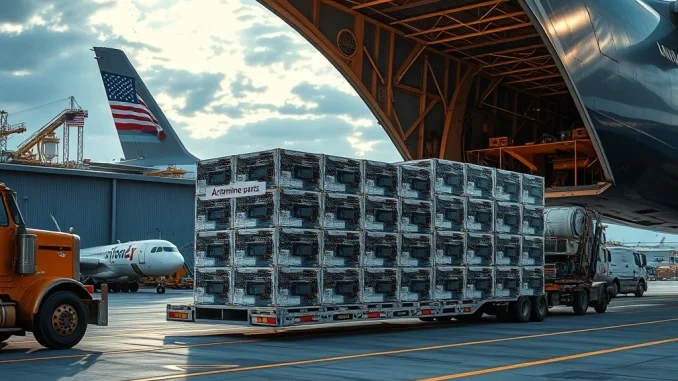
In a bold and strategic move that could redefine the landscape of cryptocurrency mining, Bitmain, the world’s leading manufacturer of Bitcoin mining hardware, has initiated a significant overhaul of its U.S. logistics. By channeling a staggering 187,000 kilograms of Antminer electronic components through a newly listed New York Stock Exchange entity, Cango Inc., Bitmain aims to ingeniously sidestep potential tariffs on Chinese-made products. This pivotal shift towards localized assembly in the U.S. is a testament to the company’s agility in navigating global trade complexities and is set to have far-reaching implications for the entire Bitcoin mining hardware industry.
Why is Bitmain Shifting **Antminer** Production to the US?
The decision to reroute such a massive volume of Antminer components is not arbitrary; it’s a calculated response to evolving geopolitical and economic pressures. Traditionally, Bitmain exported fully assembled mining machines. However, recent shipment records reveal a dramatic departure from this practice. The components are now being sent to a Delaware-based affiliate for domestic assembly, effectively transforming the supply chain.
- Tariff Avoidance: The primary driver behind this move is the looming threat of increased tariffs on Chinese-made electronics, particularly under potential future administrations. By assembling the products in the U.S., Bitmain can classify them as ‘Made in USA,’ thereby bypassing import duties that would significantly inflate costs for U.S. customers.
- Strategic Inventory Management: This logistics overhaul, which began in June 2025, also reflects Bitmain’s broader efforts to manage market volatility and repurpose surplus inventory. Since 2023, the company has redirected over 50 EH/s of unsold Antminer S19XP units from Southeast Asia to a Georgia subsidiary. These assets are now consolidated under Cango’s balance sheet, enabling flexible reallocation amid declining demand post-halving events.
- Enhanced Operational Agility: Localized assembly allows Bitmain greater flexibility to adjust production volumes in direct response to market fluctuations, rather than relying on lengthy and often unpredictable international shipping schedules for finished goods.
The Strategic Advantage of **US Assembly** for Bitmain
Bitmain’s pivot to U.S. assembly isn’t just about avoiding tariffs; it’s a comprehensive strategy designed to bolster its market position and operational resilience. This approach offers several compelling advantages:
Cost Efficiency and Risk Mitigation:
- Reduced Financial Exposure: By assembling components domestically, Bitmain insulates itself from the financial risks tied to potential tariffs, which can significantly impact profitability and pricing strategies.
- Optimized Inventory Flow: Leveraging entities like Cango Inc. as proxies for inventory management provides Bitmain with a centralized mechanism to track, reallocate, and monetize its assets more efficiently, especially in a dynamic market where demand can shift rapidly.
Supply Chain Security and Compliance:
- Mitigating Geopolitical Risks: The shift aligns with a growing industry trend towards domestic production, reducing reliance on cross-border trade dependencies that are susceptible to political tensions and trade disputes.
- Regulatory Compliance: Local assembly helps companies comply with evolving regulations and trade policies, ensuring smoother operations and fewer customs-related delays.
This strategy is not unique to Bitmain. Competitors like MicroBT have also adopted similar models, partnering with U.S. manufacturers to assemble imported parts, signaling a broader industry shift towards localized production hubs.
Navigating **Crypto Tariffs**: A New Era for **Bitcoin Mining Hardware**
The specter of crypto tariffs has been a significant concern for manufacturers and miners alike. These potential levies could drastically increase the cost of Bitcoin mining hardware, making it less accessible and potentially stifling the growth of domestic mining operations. Bitmain’s move is a proactive measure to ensure its products remain competitive and affordable in the U.S. market.
The impact of such tariffs extends beyond just the manufacturers. Miners face higher capital expenditure, which directly affects their profitability, especially in a post-halving environment where mining rewards are reduced. By facilitating local assembly, Bitmain is essentially helping its U.S. customers maintain a more predictable cost structure, fostering a healthier domestic mining ecosystem.
Historically, Bitmain has shown ingenuity in cost management. In 2023, the firm repurposed surplus miners for internal mining operations, demonstrating a consistent focus on optimizing inventory and assets. This current strategy of localized assembly is another iteration of that adaptive mindset, addressing the challenges posed by a globalized yet increasingly fragmented market.
What Does This Mean for the **Bitmain** Ecosystem and Beyond?
Bitmain’s collaboration with Cango exemplifies how leading manufacturers are adapting to these challenges while maintaining competitiveness. By leveraging proxies for inventory management and localized assembly, companies aim to balance regulatory compliance with cost efficiency. This strategic realignment suggests a future where:
- Decentralized Manufacturing: We might see a trend towards more distributed manufacturing hubs globally, reducing single points of failure in supply chains.
- Increased Domestic Investment: More companies may invest in U.S. infrastructure for assembly and potentially even component manufacturing, creating jobs and fostering local economies.
- Stable Pricing for Miners: A more predictable supply chain less susceptible to tariffs could lead to more stable pricing for Bitcoin mining hardware, benefiting individual miners and large-scale operations alike.
This move by Bitmain is not just about avoiding taxes; it’s about building a more resilient, adaptable, and ultimately more competitive supply chain for the future of Bitcoin mining. As the global demand for digital assets continues to evolve, the ability to quickly pivot and adapt to geopolitical and economic shifts will be paramount for industry leaders.
In conclusion, Bitmain’s massive shipment of Antminer parts to the U.S. for local assembly marks a significant milestone in the evolution of the cryptocurrency mining hardware industry. It underscores a powerful strategic response to the complexities of international trade and the imperative of tariff avoidance. This bold pivot ensures Bitmain’s continued dominance by enhancing operational agility, optimizing cost structures, and fortifying its supply chain against geopolitical uncertainties. As other industry players observe and potentially emulate this model, the future of Bitcoin mining hardware promises a landscape characterized by greater localization, resilience, and adaptability, ultimately benefiting miners and the broader crypto ecosystem.
Frequently Asked Questions (FAQs)
Q1: Why is Bitmain shipping Antminer parts instead of fully assembled units to the U.S.?
Bitmain is shipping parts for local assembly in the U.S. primarily to avoid potential tariffs on fully assembled Chinese-made products. Assembling components domestically allows the final product to be classified as ‘Made in USA,’ bypassing import duties and reducing costs for U.S. customers.
Q2: What is Cango Inc.’s role in Bitmain’s new logistics strategy?
Cango Inc., a newly listed NYSE entity, acts as a proxy for managing Bitmain’s inventory. By channeling 187,000 kg of Antminer electronic components through Cango, Bitmain can consolidate its assets and flexibly reallocate surplus inventory, improving overall logistics and cost management.
Q3: How does localized assembly benefit Bitcoin mining operations in the U.S.?
Localized assembly helps U.S. Bitcoin mining operations by potentially stabilizing hardware costs, making it more predictable and affordable. It also reduces exposure to international trade policy uncertainties and strengthens the domestic supply chain for mining equipment.
Q4: Is this a common strategy among other Bitcoin mining hardware manufacturers?
Yes, the shift towards localized assembly is becoming an industry trend. Competitors like MicroBT have also adopted similar strategies, partnering with U.S. manufacturers to assemble imported parts, indicating a broader move to mitigate geopolitical risks and comply with evolving trade regulations.
Q5: When did Bitmain initiate this logistics overhaul?
Bitmain initiated this significant logistics overhaul, including the use of Cango Inc. for inventory management and the shift to localized assembly, in June 2025.