The cryptocurrency world is buzzing with excitement, but beneath the surface, a dangerous tide is rising. Ripple, the company behind the popular digital asset XRP, has issued a critical alert to its community: beware of a surge in sophisticated XRP scams leveraging artificial intelligence on platforms like YouTube. This isn’t just about phishing emails anymore; we’re talking about hijacked channels, deepfake impersonations, and cunning schemes designed to separate you from your digital assets. Your vigilance has never been more crucial.
Understanding the Threat: Hijacked Channels & Impersonation
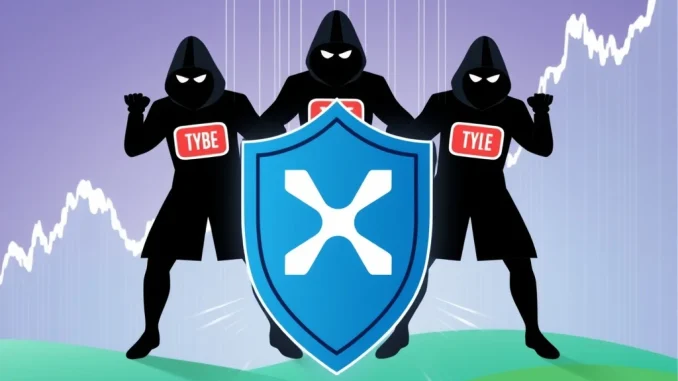
How exactly are these scammers operating? The primary method involves compromising legitimate YouTube channels and then rebranding them to eerily mimic Ripple’s official profile, “@Ripple.” Imagine seeing a channel you trust, suddenly promoting something suspicious. This creates a false sense of legitimacy that is incredibly hard to distinguish at first glance. Once a channel is hijacked, scammers quickly alter its branding, including profile pictures, banners, and even usernames, to perfectly replicate Ripple’s verified presence. Their goal? To promote fraudulent schemes and misleading content, often in the form of fake XRP giveaways or bogus investment opportunities.
These elaborate schemes frequently involve impersonating key Ripple executives. Figures like CEO Brad Garlinghouse and CTO David Schwartz are often depicted in these scams, urging unsuspecting users to send their XRP to unknown addresses under the guise of participating in a promotional event or a lucrative investment. Ripple has repeatedly clarified that neither the company nor its executives will ever ask you to send digital assets to an unknown address. This Ripple warning is a cornerstone of protecting yourself.
The Alarming Rise of AI Deepfake Scams
What makes the current wave of scams particularly dangerous is the integration of artificial intelligence. Reports indicate a significant escalation in sophistication, with scammers employing AI-enhanced deepfake content. This technology blurs the line between authentic and malicious activity, making it incredibly difficult for even tech-savvy individuals to discern the truth. Brad Garlinghouse himself highlighted this disturbing trend on July 22, 2025, explicitly warning about the surge in AI-generated scams impersonating Ripple’s leadership.
These AI deepfake scams can manifest as highly convincing video or audio clips where Garlinghouse or Schwartz appear to be speaking directly to the audience, promoting fake giveaways or urging immediate action. The technology has advanced to a point where voice inflections, facial expressions, and mannerisms can be eerily replicated, creating a powerful illusion of authenticity. This makes verifying information through traditional means much harder, placing a greater burden on users to exercise extreme caution.
Ripple’s Official Warning: Protecting Your XRP Security
In light of these escalating threats, Ripple’s leadership has been unequivocal in its guidance. They consistently emphasize the importance of verifying all information through official sources. This includes Ripple’s verified X (formerly Twitter) account and its official website. Both Brad Garlinghouse and David Schwartz have clarified that Ripple executives do not engage in promotional activities on platforms like Instagram or YouTube that solicit funds. Any claim suggesting otherwise should be treated with immediate skepticism.
To ensure your XRP security, remember these critical points:
- Verify Official Channels: Always cross-reference any communication claiming to be from Ripple or its executives with their official website (ripple.com) and verified X account (@Ripple).
- No Requests for Funds: Ripple or its executives will NEVER ask you to send XRP or any other cryptocurrency to participate in a giveaway, investment, or any other scheme.
- Beware of Urgency: Scammers often create a false sense of urgency to pressure victims into making hasty decisions. Take your time, verify, and if it sounds too good to be true, it almost certainly is.
- Report Suspicious Activity: If you encounter a suspicious channel or promotion, report it to YouTube and other relevant platforms immediately.
A Broader Look at YouTube Crypto Scams
The rise of AI-driven impersonation scams underscores broader risks in the cryptocurrency sector. While Ripple is specifically targeted due to XRP’s popularity, this isn’t an isolated incident. Bad actors are continuously exploiting technological advancements to deceive investors across the entire crypto landscape. Platforms like Binance have also reported similar concerns about fake giveaway schemes involving various cryptocurrencies, highlighting a systemic issue.
Ripple’s proactive stance is a direct response to the persistent threat of YouTube crypto scams. The company even sued YouTube in 2020 over its inadequate responses to XRP scams that involved deepfake impersonations of Brad Garlinghouse. While that particular case concluded with a settlement, the current surge indicates that the problem has resurfaced with even greater technological sophistication. This ongoing battle highlights the responsibility of platforms to do more in protecting their users from malicious content.
Why Now? The Context of XRP’s Momentum
It’s no coincidence that this surge in scams coincides with XRP’s recent rally. The token has experienced renewed momentum driven by several positive developments:
- Regulatory Clarity: The partial victory in the SEC litigation provided much-needed regulatory clarity for XRP.
- ETF Anticipation: Growing anticipation of XRP ETF approvals has fueled bullish sentiment.
- Institutional Adoption: Increased institutional interest for cross-border payments continues to bolster XRP’s utility.
- Bullish Market: A broader bullish trend in the crypto market has also contributed to XRP’s price appreciation.
When an asset gains popularity and price, it inevitably attracts more attention, including from malicious actors. The increased trading volume and heightened interest create a larger pool of potential victims, making it a prime target for XRP scams. The growing sophistication of these schemes means victims may struggle to distinguish authentic content from fraudulent initiatives, making user vigilance paramount.
The Human Element: The Psychological Impact of Scams
Scammers prey on human emotions, primarily greed and fear of missing out (FOMO). The promise of free crypto or impossibly high returns can override rational judgment, especially when combined with convincing deepfakes of trusted figures. The sense of urgency created by live streams or limited-time offers pushes individuals to act quickly without due diligence. Understanding these psychological triggers can be a powerful defense mechanism, allowing you to pause, question, and verify before taking any action.
Conclusion: Vigilance is Your Strongest Defense
Ripple’s repeated warnings are a stark reminder of the increasing complexity of cyber threats in the crypto space. As AI tools become more accessible and powerful, attackers are leveraging them to create increasingly convincing impersonations, eroding trust in digital assets and platforms. The responsibility ultimately falls on individual users to be their own first line of defense. Adhering to verified communication channels, exercising extreme caution with unsolicited offers, and staying informed about the latest scam tactics are essential for safeguarding your investments. In a world where misinformation spreads rapidly, your skepticism and diligence are your most valuable assets.
Frequently Asked Questions (FAQs)
Q1: What kind of XRP scams are currently prevalent on YouTube?
A1: Scammers are primarily using hijacked YouTube channels rebranded to mimic Ripple’s official profile. They promote fake XRP giveaways, investment schemes, and solicit funds by impersonating Ripple executives like Brad Garlinghouse and David Schwartz, often using AI-enhanced deepfake videos and audio.
Q2: How can I distinguish a legitimate Ripple communication from a scam?
A2: Always verify information through Ripple’s official channels: their website (ripple.com) and their verified X (formerly Twitter) account (@Ripple). Remember, Ripple or its executives will never ask you to send cryptocurrency to an unknown address for any promotion or giveaway.
Q3: What are AI deepfake scams and why are they dangerous?
A3: AI deepfake scams involve using artificial intelligence to create highly realistic fake videos or audio recordings of individuals, making it appear as if they are saying or doing something they aren’t. They are dangerous because they can convincingly impersonate trusted figures, making it very difficult for victims to tell if the content is fraudulent, thereby increasing the effectiveness of phishing and scam attempts.
Q4: Why is Ripple issuing these warnings now?
A4: The surge in scams coincides with XRP’s recent rally, driven by regulatory clarity, anticipation of XRP ETF approvals, and increased institutional adoption. When an asset gains popularity and value, it becomes a more attractive target for scammers looking to exploit new and existing investors.
Q5: What should I do if I encounter a suspicious YouTube channel or video promoting XRP?
A5: Do not interact with the content or send any funds. Report the suspicious channel or video to YouTube immediately. Additionally, you can report it to relevant authorities or cybersecurity organizations to help prevent others from falling victim.
Q6: Has Ripple dealt with these types of scams before?
A6: Yes, Ripple previously sued YouTube in 2020 over inadequate responses to XRP scams that involved deepfake impersonations of Brad Garlinghouse. While that case was settled, the current resurgence indicates an ongoing battle against these sophisticated cyber threats.